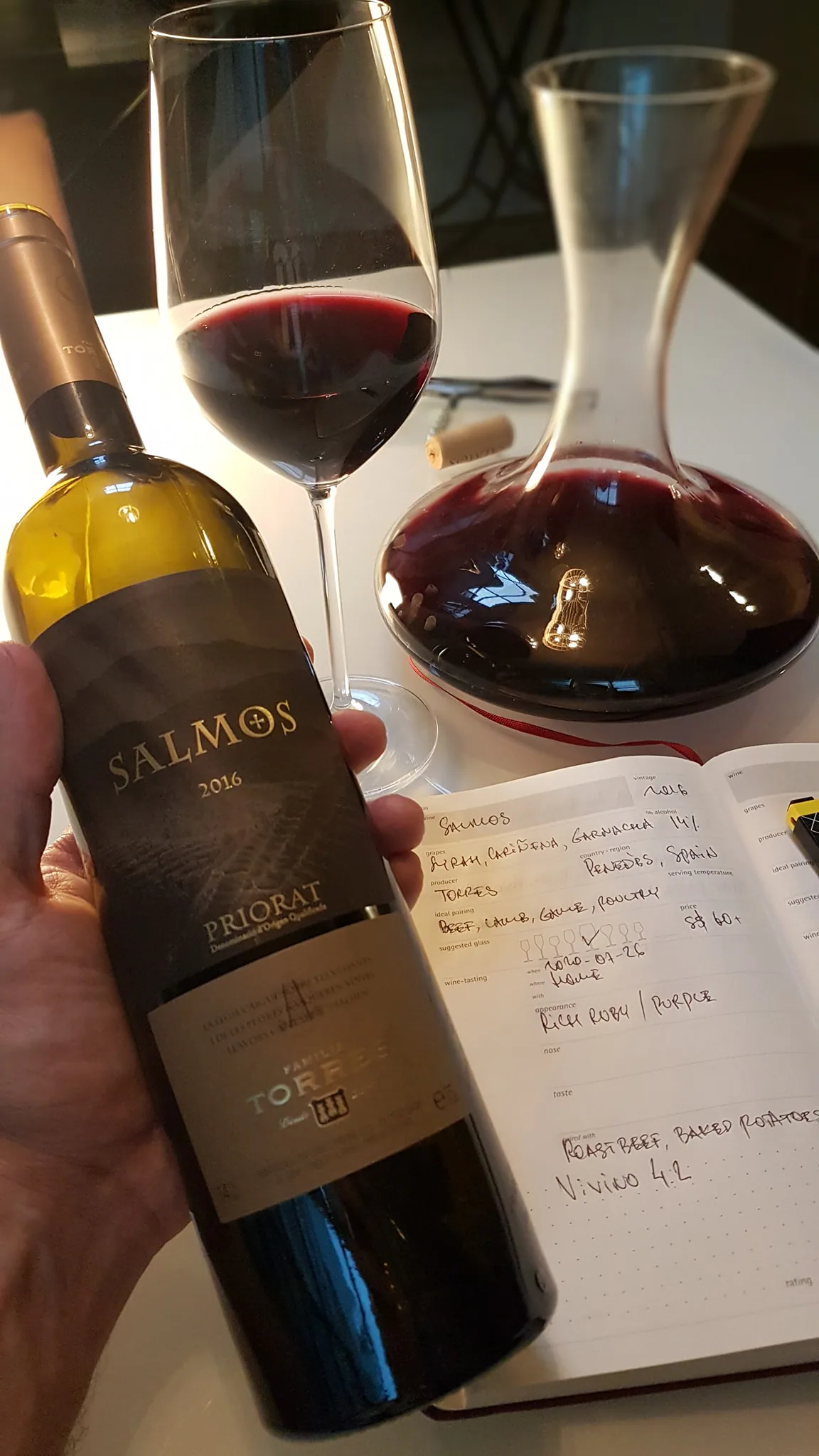
The big part of the 2020 was an exercise in finding ways to kill time without legally leaving the apartment. Going to the supermarket was no longer a chore; it was a sanctioned expedition, a rare excuse to interact with the outside world. With restaurants shuttered and delivery shut down, cooking ceased to be a daily utility and became an elaborate project designed simply to occupy hours. Earlier in February I had received a dedicated Moleskine wine journal as a birthday present, a nod to my preference for their writing pads and a growing habit of documenting wines. That analog habit, forced purely by isolation, was the foundation this blog was built on.
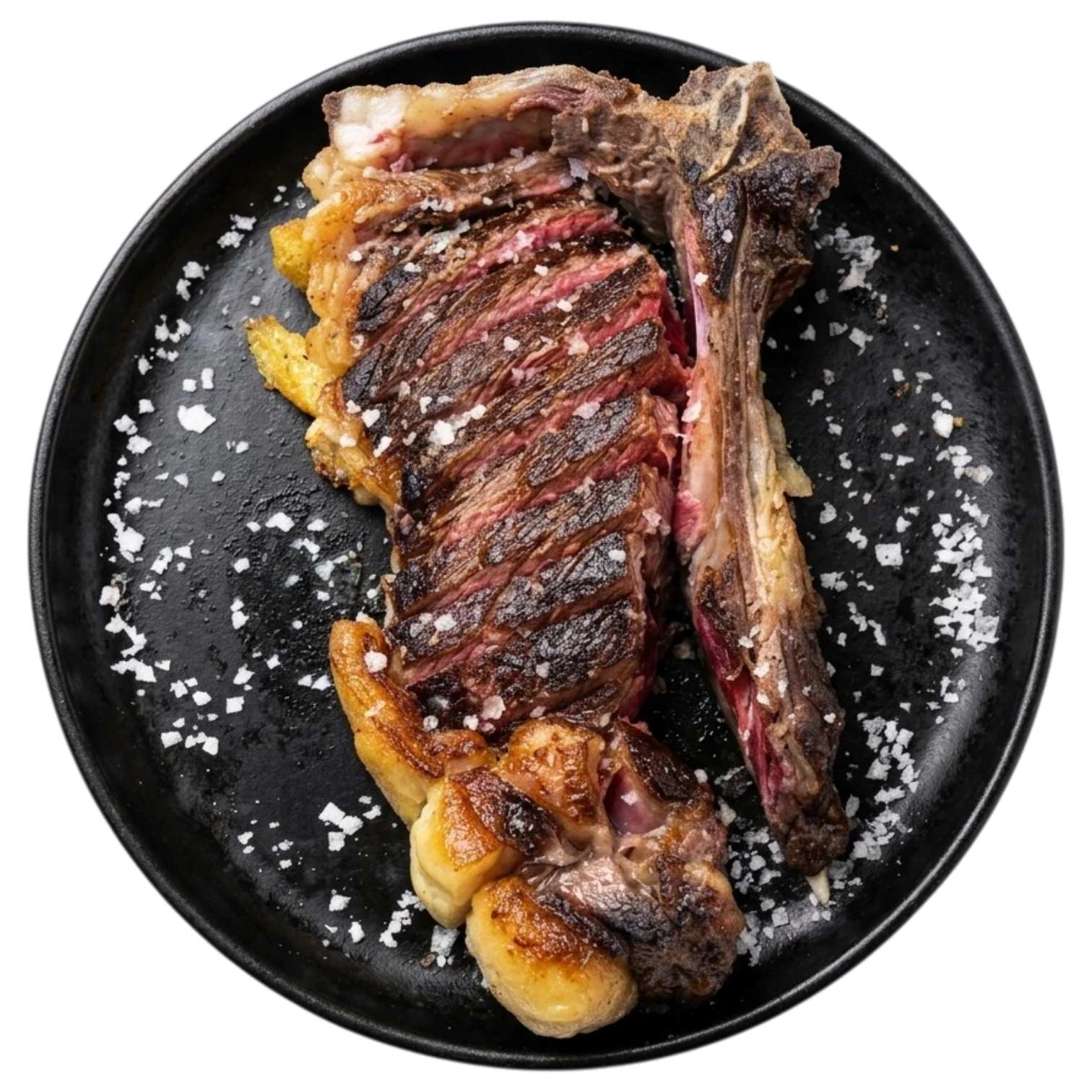
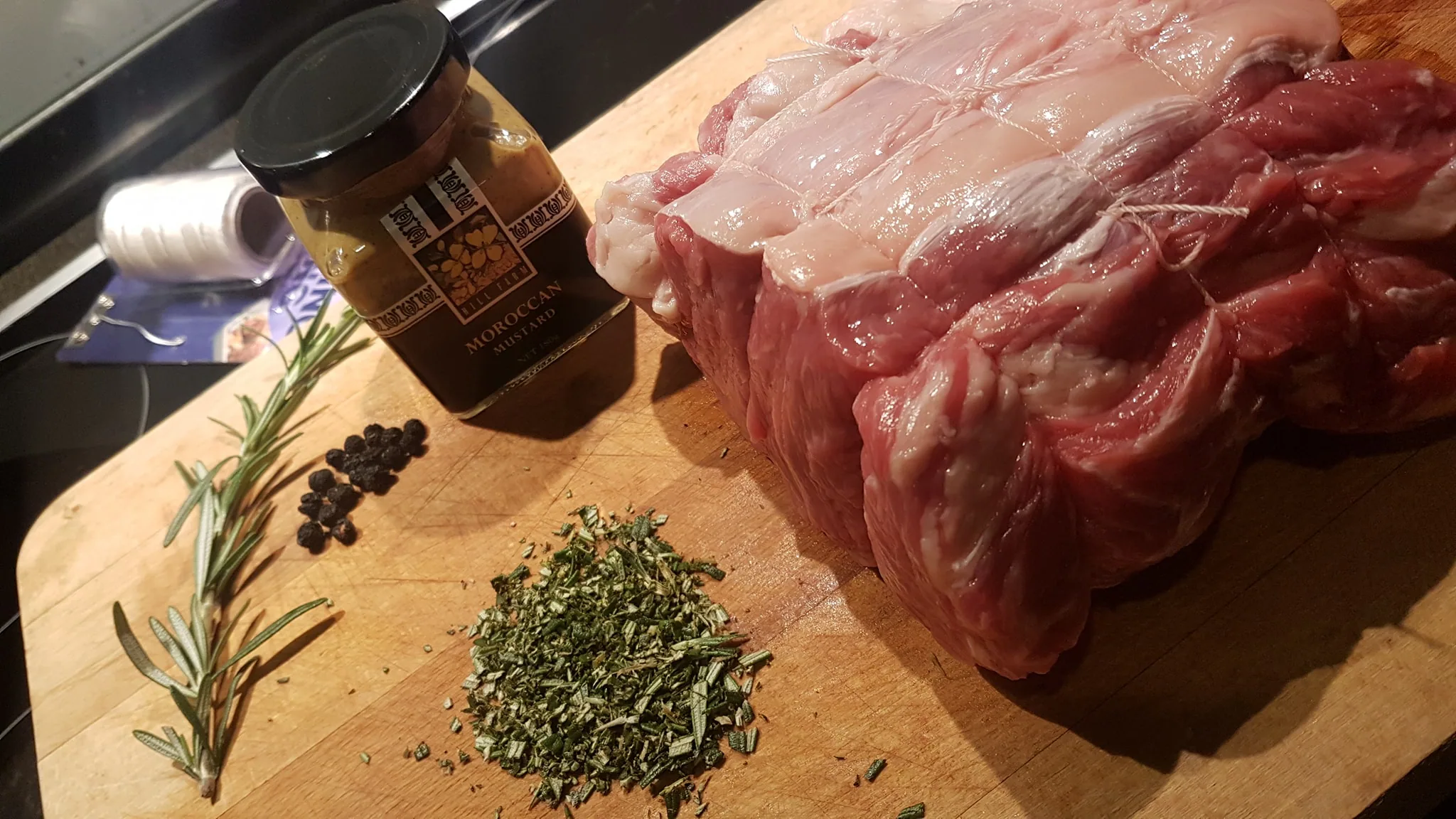
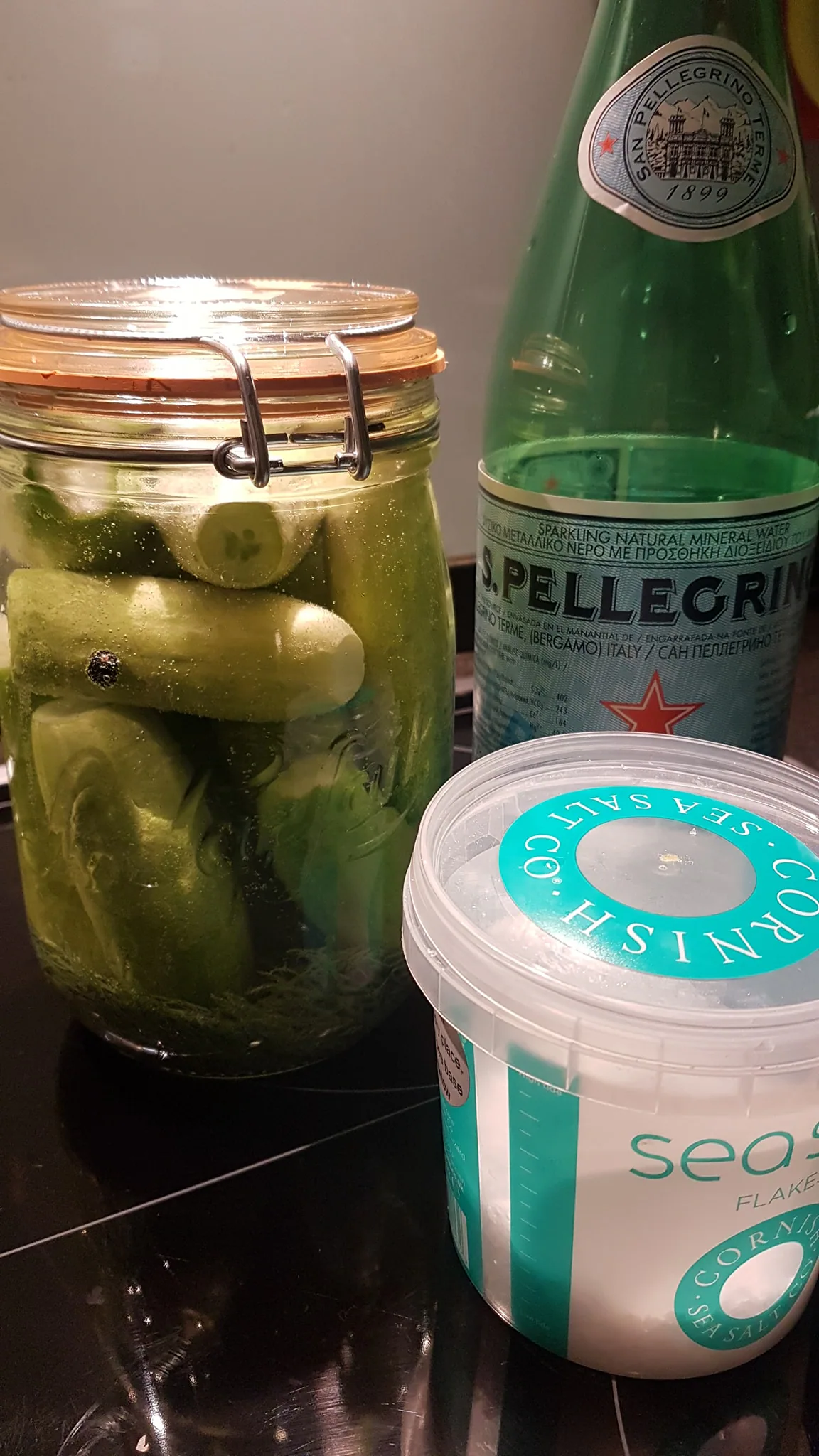
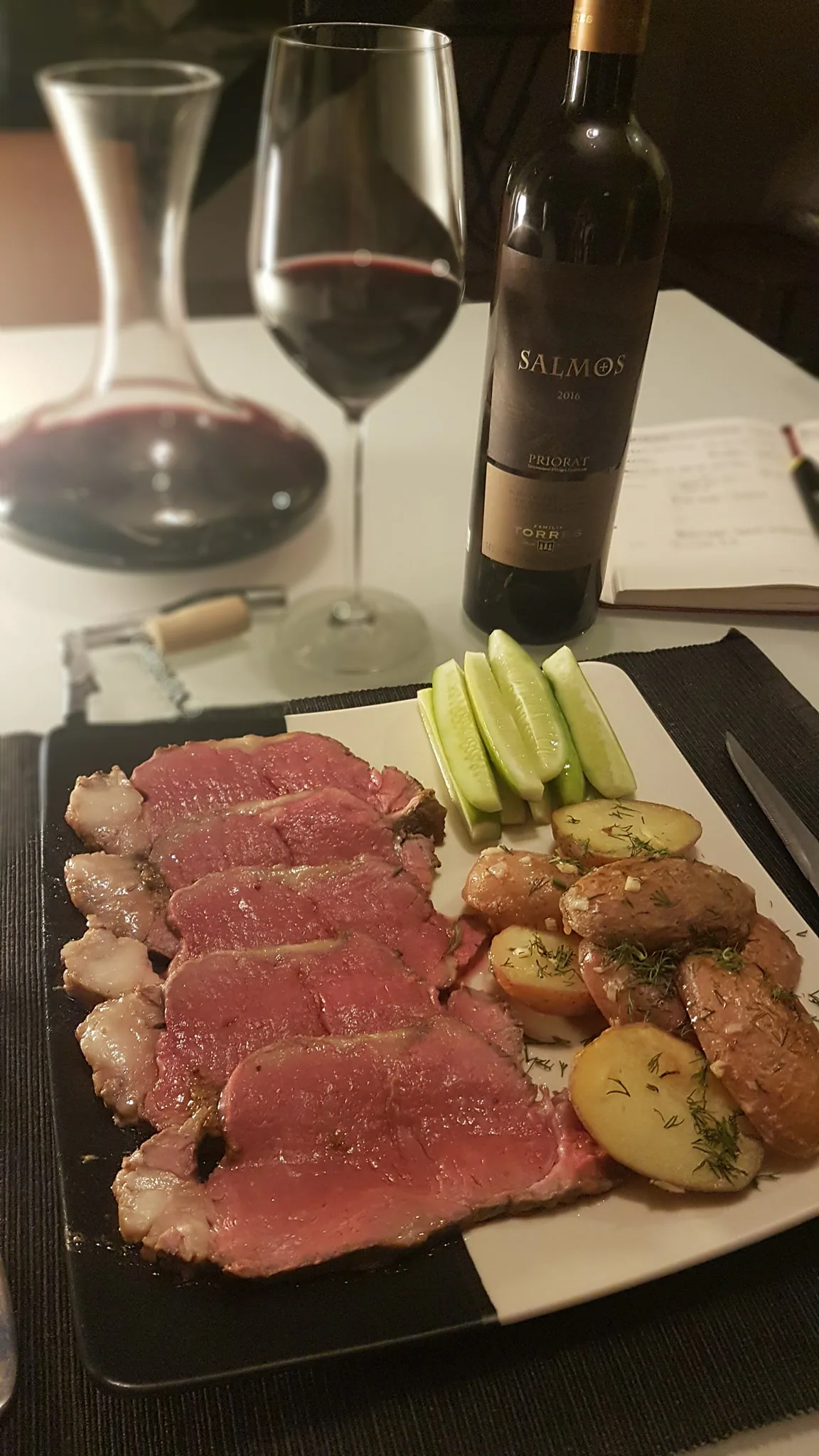
The project for that particular evening was a roast beef, rubbed down with Moroccan mustard and dried rosemary, alongside an experiment in quick-pickling cucumbers using San Pellegrino, fresh dill, and sea salt. It was a disproportionate amount of effort for a meal eaten at my dining table with nowhere to go. To justify the prep, I pulled a bottle that demanded some attention.
The label read Familia Torres Salmos 2016. The name itself — Salmos translates to Psalms — is a deliberate nod to the Carthusian monks of the Scala Dei monastery, the silent order that first introduced viticulture to this region at the end of the twelfth century. If you look closely at the typography on the bottle, there is a small cross integrated into the name, an acknowledgment of that monastic history. Four years later, I would actually travel to Priorat and walk the grounds of Cellers de Scala Dei myself (read about this in my other story). That evening in 2020, it was just a piece of trivia attached to a bottle opened in an empty apartment.
Torres is a massive commercial entity in Spanish wine, historically anchored in the Penedès region and usually associated with global volume distribution rather than low-yielding escarpments. Yet, their expansion into the DOQ Priorat — the Catalan appellation known for its steep, high-altitude vineyards — was executed with serious intent. For Salmos, they focused their vineyard holdings entirely in the specific village zones of Porrera and El Lloar. Priorat's reputation is built largely on its geology, specifically the fast-draining slopes of llicorella, a fractured, nutrient-poor black slate. This soil, combined with a hot Mediterranean climate and sharp day-night temperature swings, forces vines into a state of permanent stress. The 2016 vintage was marked by severe drought, which is standard for the region, but it critically lacked the extreme heat spikes of surrounding years. That absence of aggressive heat allowed for a slower phenolic ripening, preserving the grapes' natural tension rather than baking them into flat, high-alcohol jam.
The blend is strictly regional: half Garnacha, forty-five percent Cariñena, and a minor touch of Syrah. Cariñena — known as Carignan across the border in France — warrants specific attention here. It is a late-ripening, thick-skinned variety highly susceptible to powdery mildew, and for decades it was dismissed as a crude, high-acid workhorse meant only to add bulk to cheap jug wines. But planted on llicorella, its behavior changes entirely. The poor soils naturally restrict its traditionally high yields, concentrating the fruit. In these conditions, it trades its rustic bulk for deep, dark-fruited structure and a distinct mineral edge. In Salmos, that severity anchors the blend, counterbalancing the fresher Garnacha sourced from the cooler, higher elevations of Porrera. Winemaking under Jordi Foraster — the enologist managing Torres's Priorat operations — avoids masking that hard-won fruit. Fermentation in stainless steel tanks over roughly nine to twelve days is followed by about twenty days of extended skin contact, extracting the necessary structural compounds. The subsequent élevage lasts for fourteen months in French oak barrels, softening the aggressive tannins of the Cariñena without burying the stony severity of the El Lloar parcels. You do not expect a wine of this structural firmness from a producer whose name is printed on millions of supermarket labels worldwide.
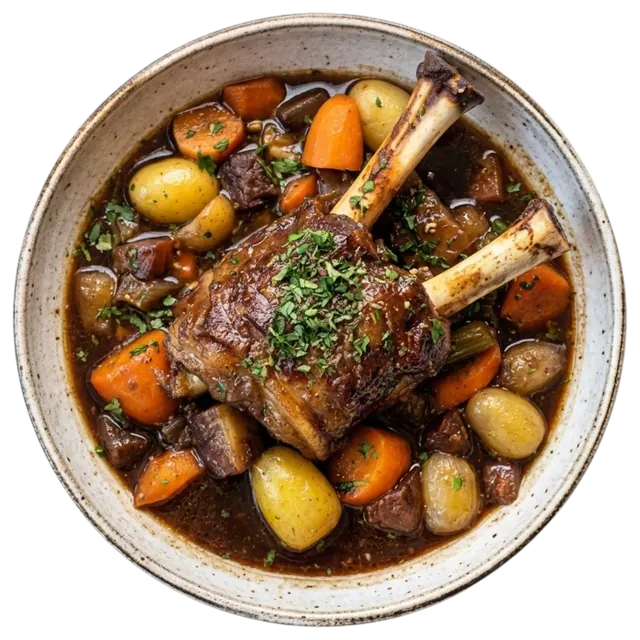
The pairing worked precisely because of that structure. The rare, mustard-crusted beef absorbed the heavy tannins, standing up to the wine's concentration. The marinated cucumbers were simply a lockdown food experiment riding shotgun — a sharp, dill-heavy staple to cut the fat of the meat, operating on a separate track from the wine. Looking back at the Moleskine page from that night, the entry is brief, concluding with a simple location tag: "Home." It was a highly structured, unyielding wine opened for a distinctly static time.
Pairs well with