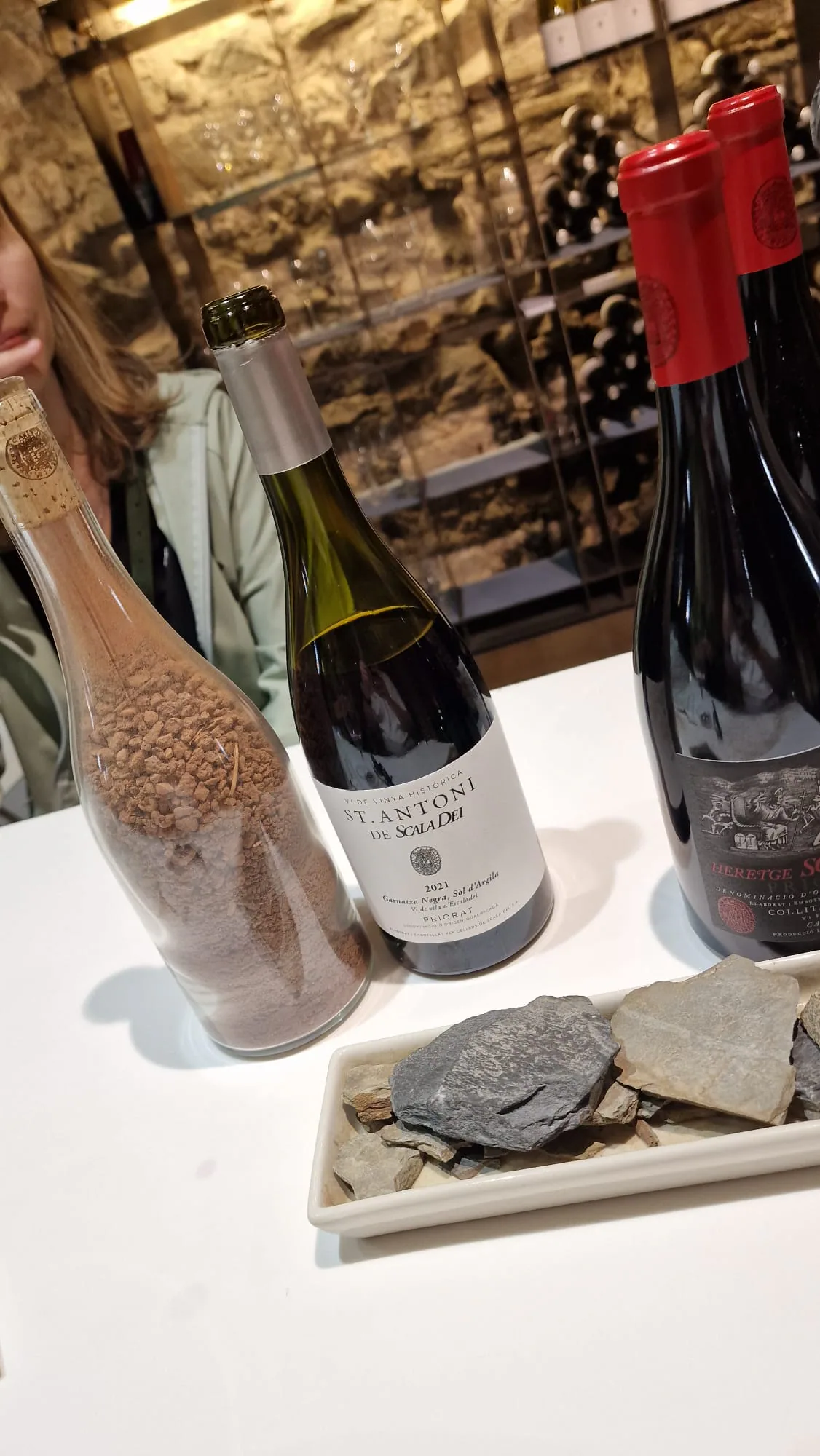
When you learn something about Priorat for the first time, you immediately hear about the Gang of Five — the founders of the modern Priorat who are credited with resurrection of the DOCa after it was mostly abandoned after the phylloxera plague. Once you start digging deeper, you find out the specifics of the Priorat soil (pun unintended) — llicorella, the black slate. Llicorella holds the heat of fierce Catalan sun from the day and gives it back to the vines' roots at night. What it doesn't hold is water. This scarcity makes the roots go 10, 15, sometimes 20 meters deep into the bedrock to find a sip of moisture. The plant spends all its energy on survival rather than growing leaves, resulting in tiny, thick-skinned berries that yield massive concentration.
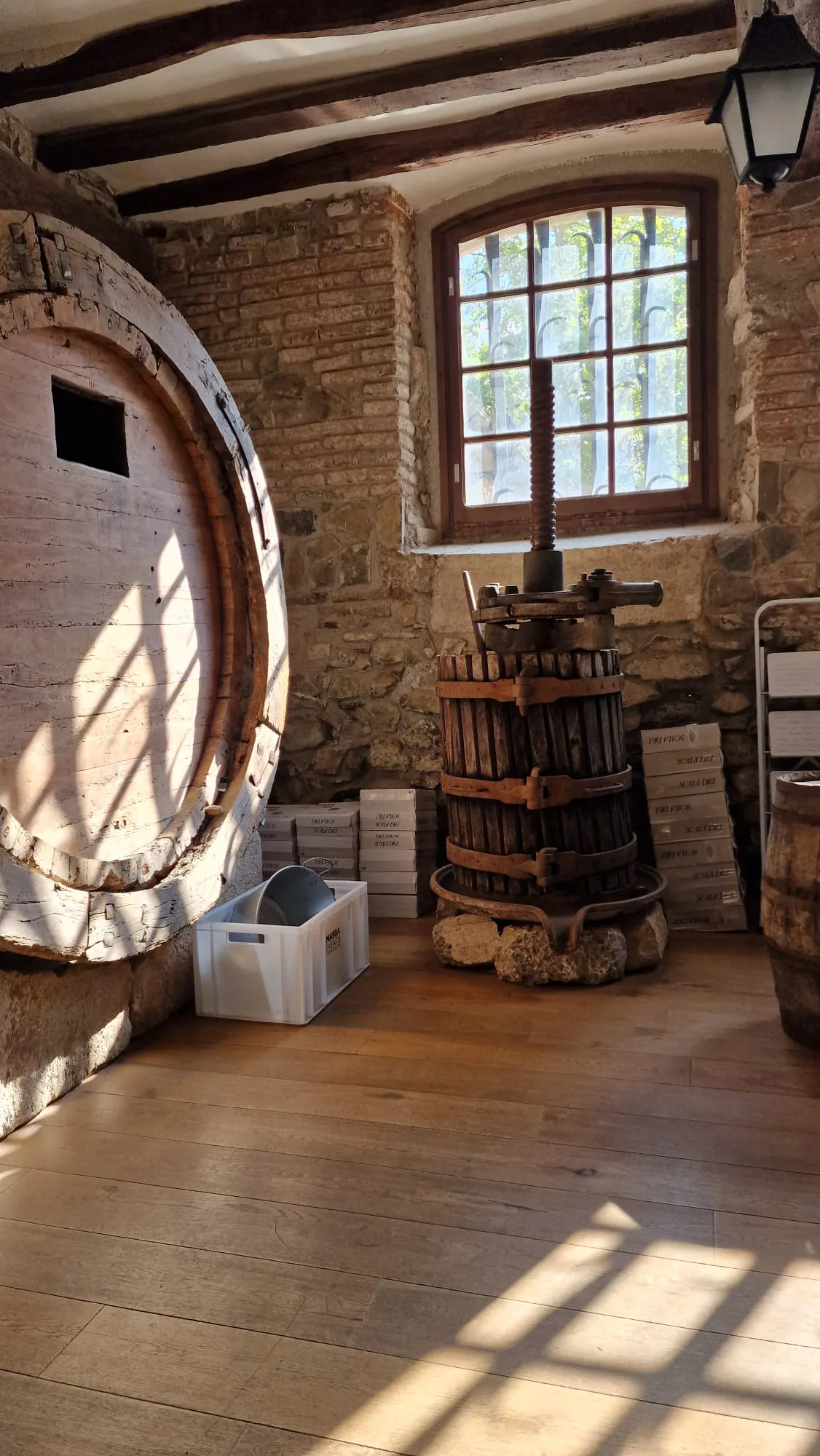
So, when I started making arrangements for a day tour with my local guide (Hola, Ruslan!) and asked for a Gang of Five winery, he insisted on a "better idea." I felt a bit deflated, as I had followed Ruslan’s work for a long time and specifically wanted him to do a tour for me, but I didn't argue. Eventually, I never regretted visiting Cellers de Scala Dei — the very winery that was started in Priorat by Carthusian monks in 1194. And this is how, in the first place, the area got its name — the land where the vines were growing were called after Prior — the head of Cartoixa d'Escaladei (Carthusian Monastery of Scala Dei, or the Ladder of God).
In 1878, just 15 years before the region was hit by the "Black Death" of the wine world, Cellers de Scala Dei became the first winery in the region to bottle their wine rather than selling it in bulk on barrels. Prior to that, Priorat wine was mostly known as "Vi Negri" (the "Black Wine") and was sold to winemakers in Bordeaux or Haro, who would blend a small percentage of "Black Wine" into their own juice to give it color, body, and an alcoholic kick. This historical practice kept the region's true potential hidden for centuries, serving as the raw backbone for others until the estate reclaimed its identity.
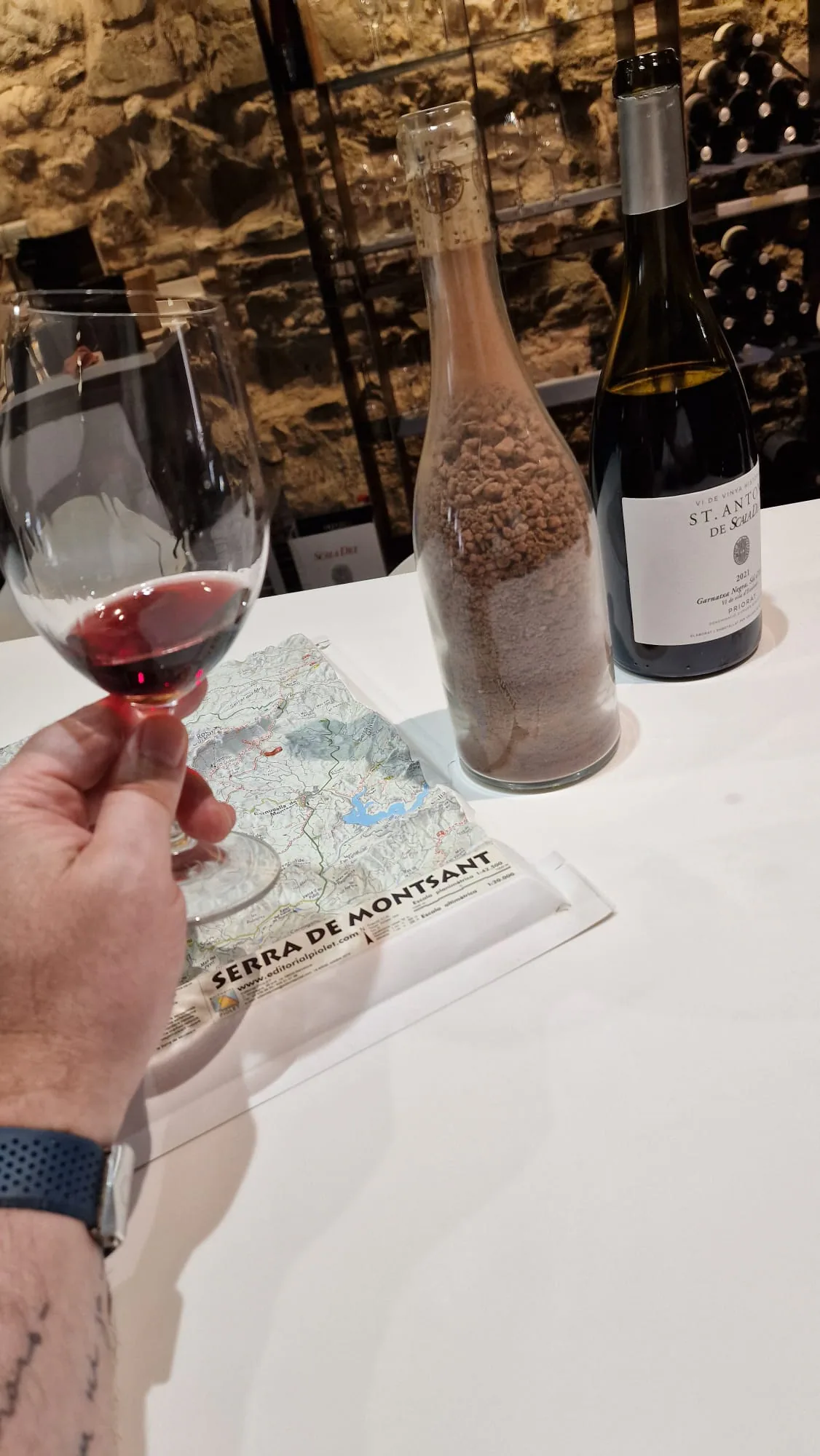
Now the wine that you see on the picture comes from a completely different kind of soil than Priorat is known for — it comes from St. Antoni vineyard that is located at the altitude of 600 meters and features rare red clay (argila roja) and gypsum, which makes wines like St. Antoni elegant and floral. The argila roja allows the Garnatxa to retain moisture and maintain a vibrating acidity and the typical pencil lead aroma. The plant spends all its energy on survival rather than growing leaves, resulting in tiny, thick-skinned berries. You get massive concentration—low yield, but every single grape is a "flavor bomb".
In this kind of soil, even with high alcohol, the wines maintain a surprising, vibrating acidity and "stony" freshness. Scala Dei stands as a definitive bridge from the "bulk muscle" to "fine art", from pre-phylloxera era to the modern days of Priorat. This 2021 vintage is a masterclass in this vertical style, balancing monastic tradition with sophisticated, silky precision. You are drinking the intersection of ancient history and a clay-born geological miracle, which is a truly rare find.
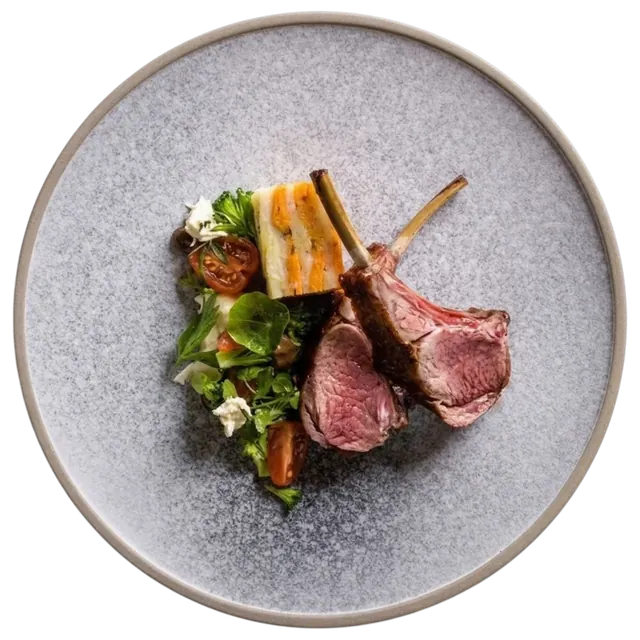
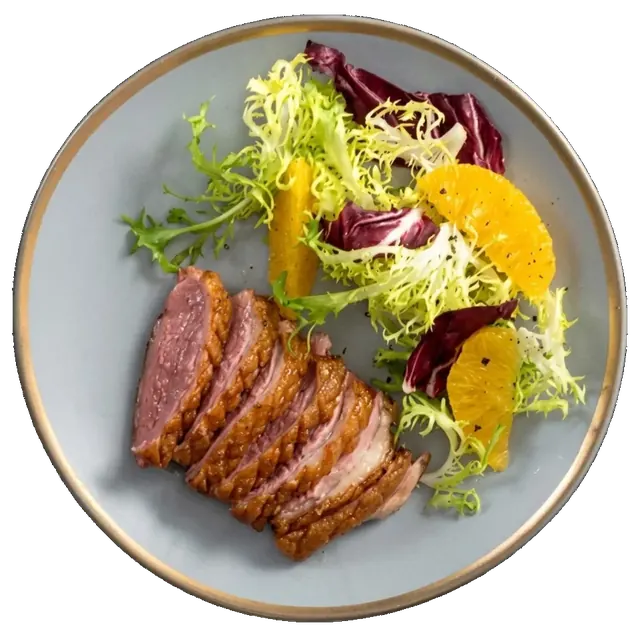
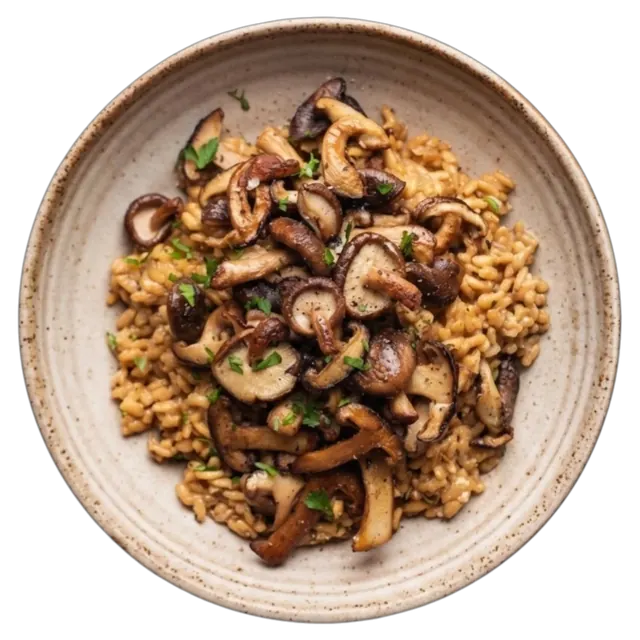
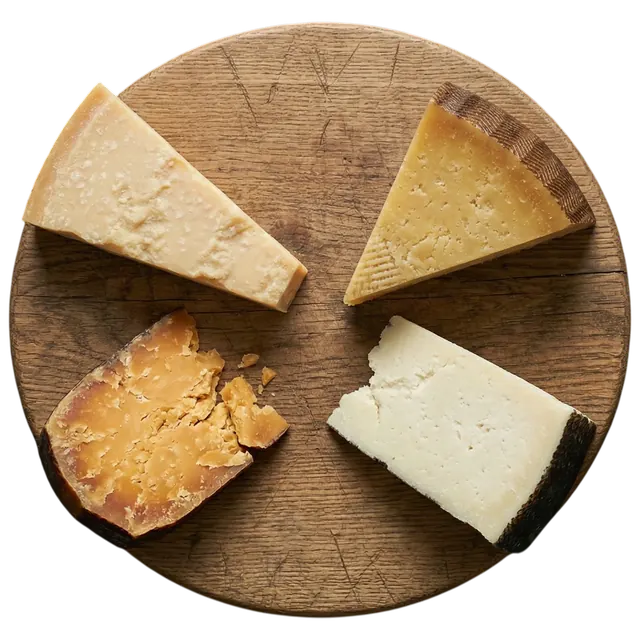
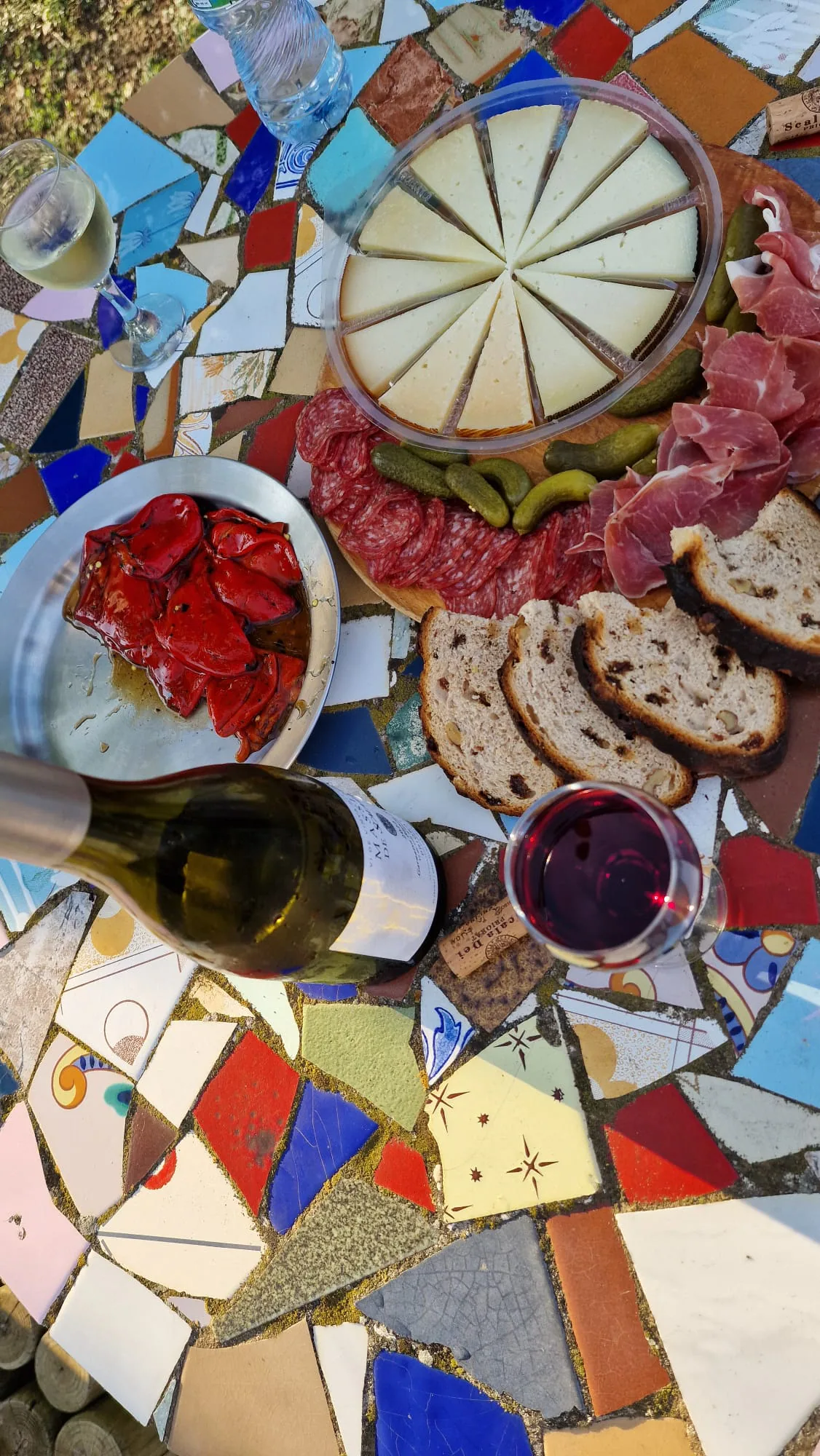
Pairs well with