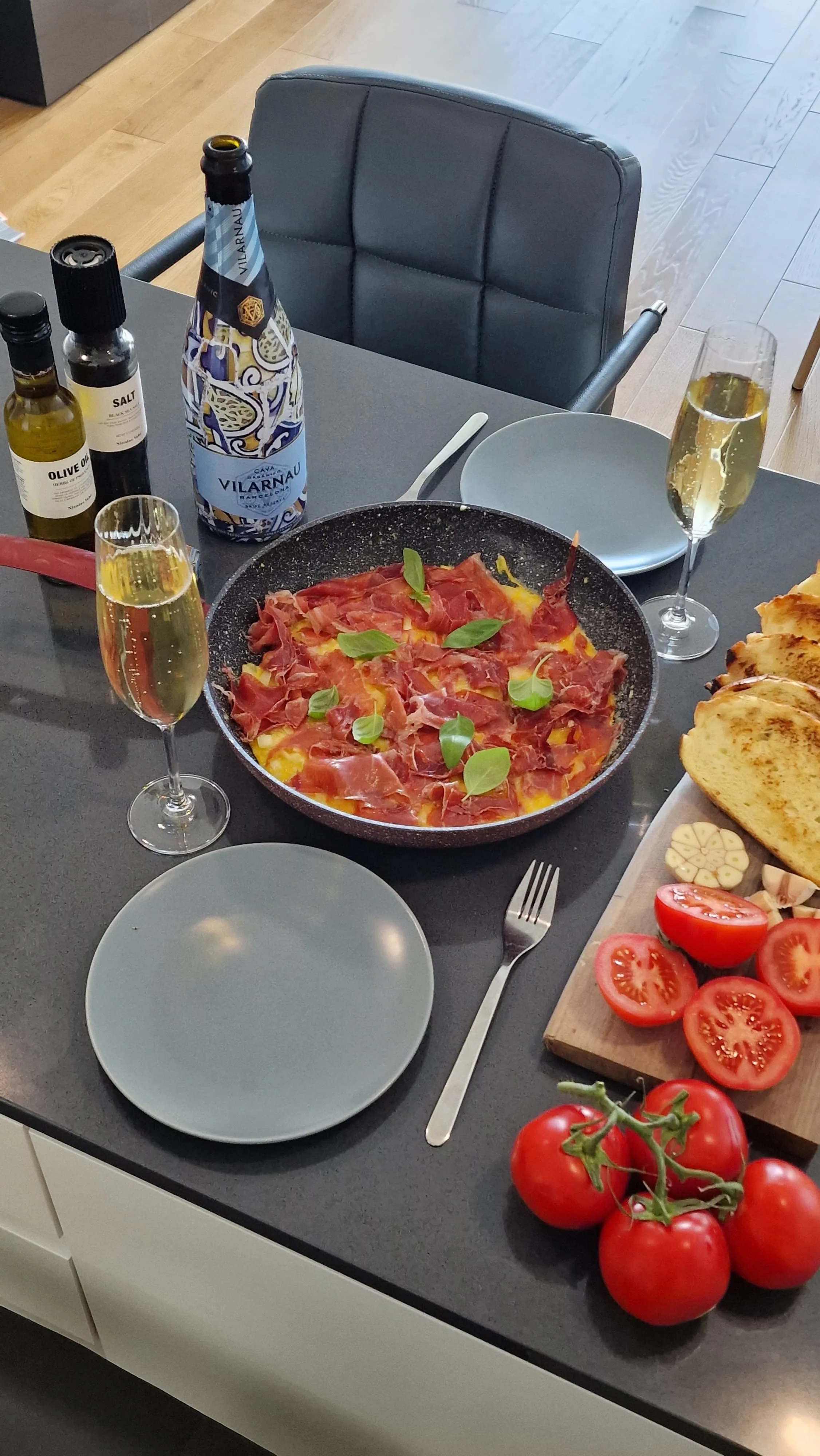
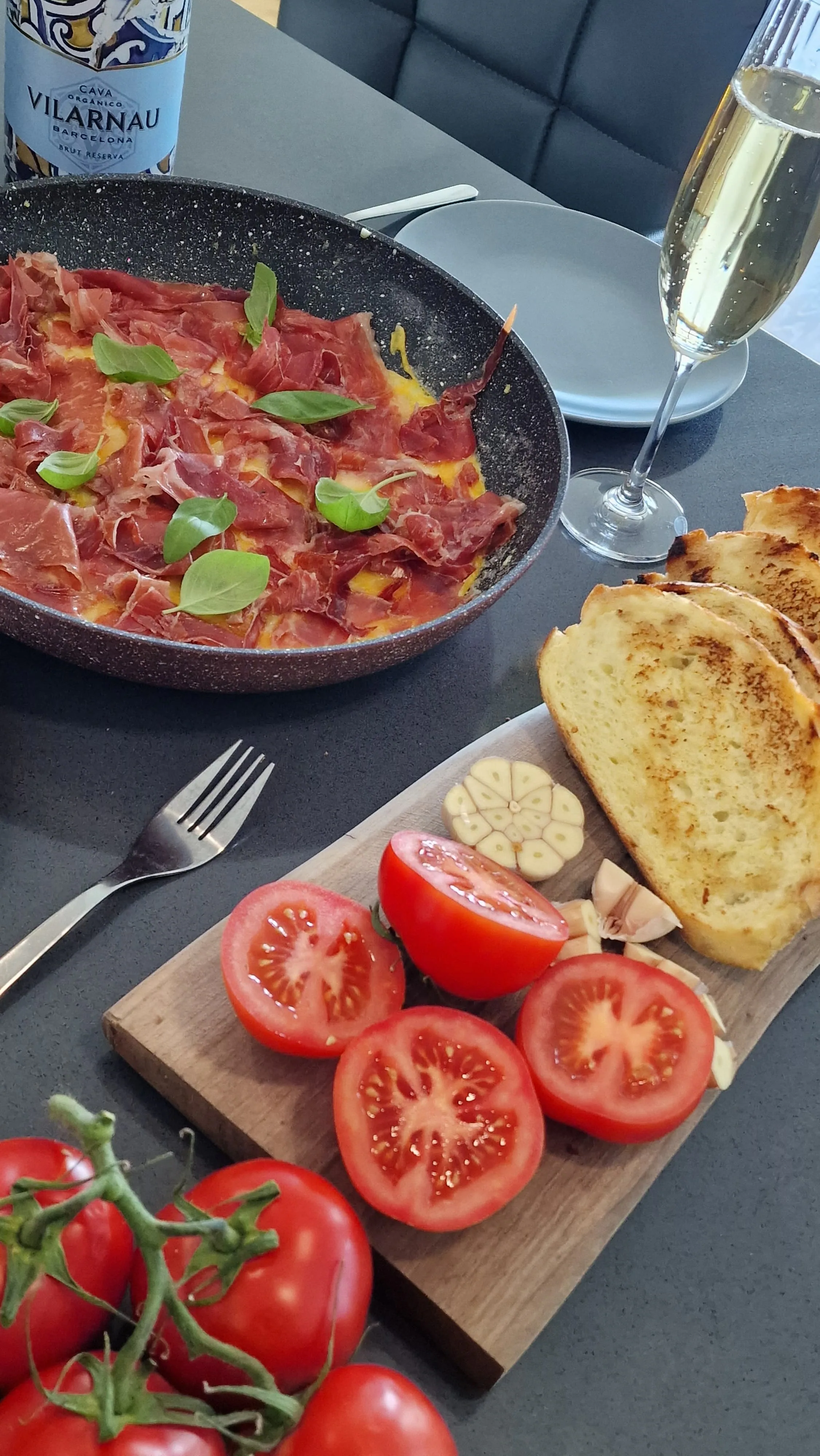
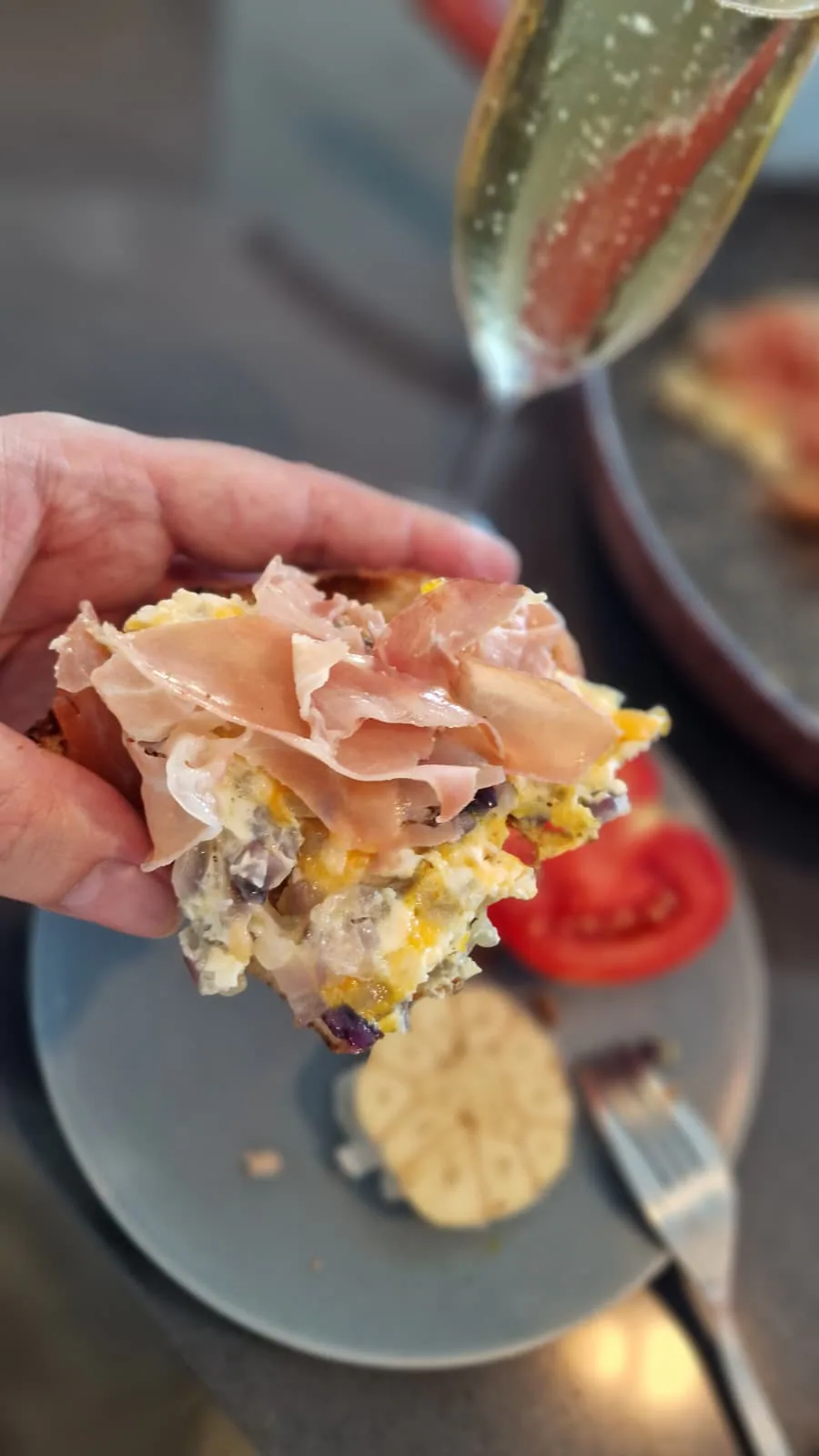
I follow a Barcelona guide on Facebook — he covers Catalunya, as Catalans call it, writes about the food as much as the sights, and does it with the kind of quiet authority that comes from actually living there. One morning he described his breakfast: onion sautéed in a pan, eggs broken in and scrambled together, a few torn strips of jamón ibérico de bellota scattered on top, fresh basil, and alongside it — pa amb tomà quet, which is what Catalans call bread rubbed first with garlic, then with a ripe tomato cut in half. You eat it by putting a piece of the egg and ham on the bread and washing the whole thing down with a glass of ice-cold cava.
Cava is Spain's answer to Champagne — not in ambition, but in method. Like Champagne, it is made by méthode champenoise: second fermentation in the bottle, which is where the bubbles come from and where the autolytic character develops: that faint biscuit, bread dough, almond quality that sits under the fruit. The difference is the grapes. Cava is built on three indigenous Catalan varieties — Macabeo, Parellada, and Xarel·lo — and it is produced primarily in Penedès, the wine region that stretches inland from Barcelona toward the mountains, with Sant Sadurnà d'Anoia at its centre.
Vilarnau is not a newcomer to these lands. The family name appears in Penedès records as far back as the 12th century — growing vines as tenant farmers for the feudal lords of Subirats, the noble family that controlled this corner of Catalunya. But the ground they farmed had an older and rougher history: the castle of Subirats had been built two centuries earlier as a frontier fortress, when the Count of Barcelona was still pushing the Saracens out of Penedès, and the vineyards the Vilarnau family would one day tend had been a war zone within living memory. In 1982 the estate was acquired by González Byass — the Jerez house behind TÃo Pepe, one of the oldest wine dynasties in Spain. The modern winery opened in 2005, built on the highest point in town overlooking the Montserrat mountains, and it was only then that the team could control the full process from grape to bottle. The estate vineyards sit in d'Espiells, a windy sub-zone near Sant Sadurnà with alluvial soils; the Parellada comes from higher up, from La Llacuna at around 700 metres altitude, which is where this variety finds the cooler temperatures it needs to hold its floral lift and natural acidity. The Brut Reserva spends more than fifteen months on lees — longer than the Cava DO requires — and the result is a wine that has enough autolytic development to feel serious without losing the freshness that makes it useful at the table.
Useful is precisely the right word. This is not a wine you open to contemplate. Macabeo brings the orchard fruit and the clean attack; Parellada gives the floral precision — white flowers, a faint jasmine note; Xarel·lo adds structure and keeps the whole thing from going flat. The mousse is fine, the acidity is honest, the finish is medium and clean.
It was the last Saturday of July 2023 — the Balkan heat had been relentless for weeks, and the nights were offering no relief — the kind of heat where an ice-cold glass of cava at ten in the morning stops being an indulgence and starts being a reasonable response to the situation. I cooked the breakfast and then, as the guide had specifically advised, ice-cold cava. He was right — I am not sure we ever found a better argument for sparkling wine at breakfast than that.
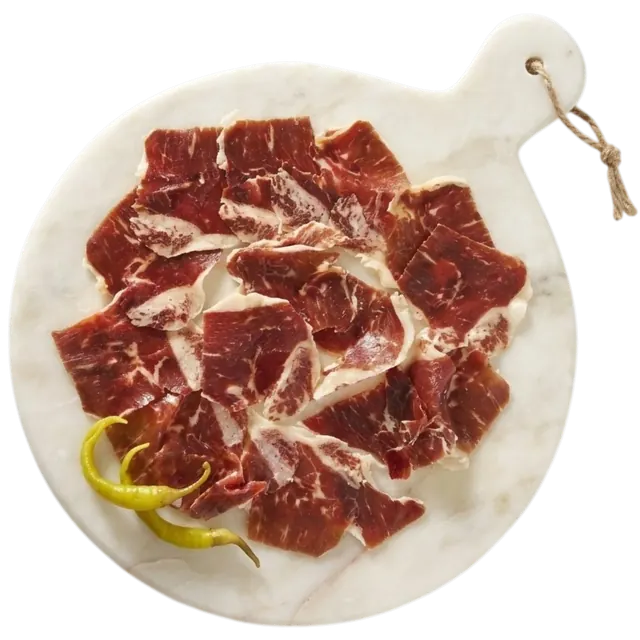
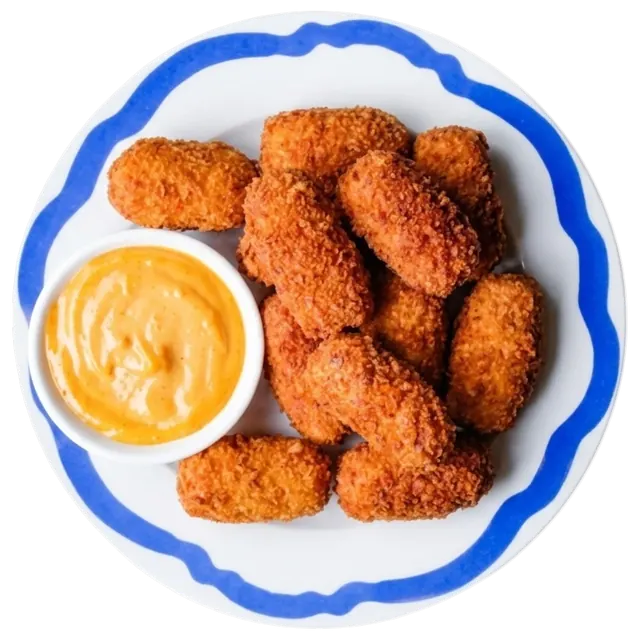
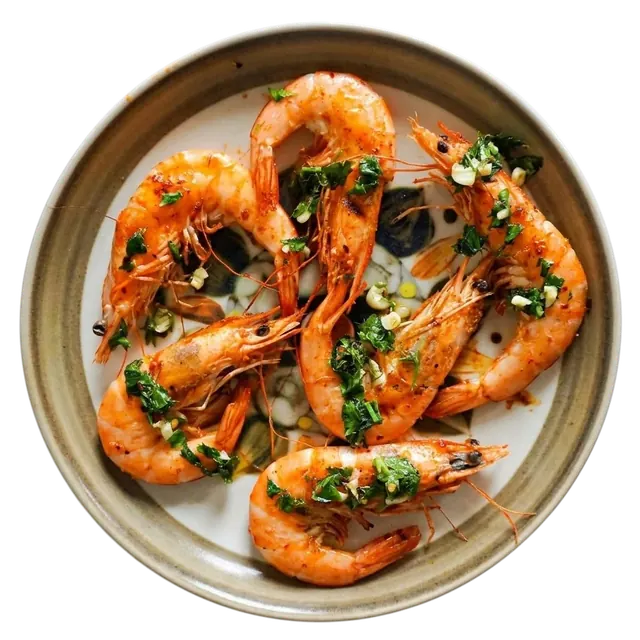
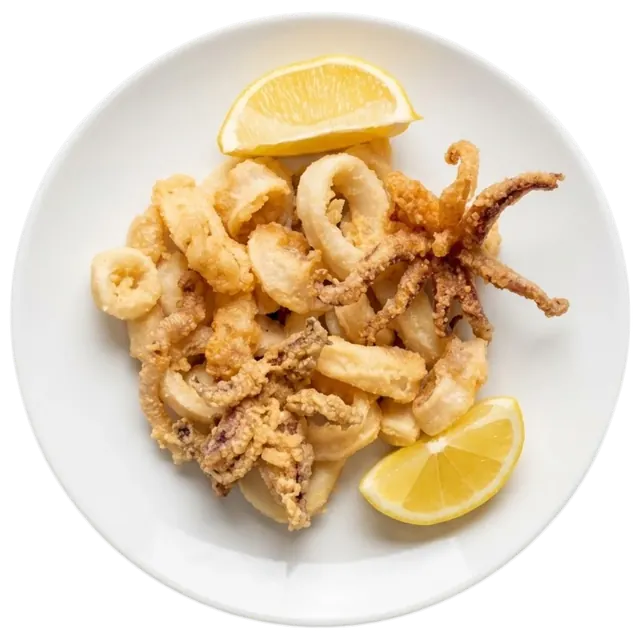
Pairs well with