

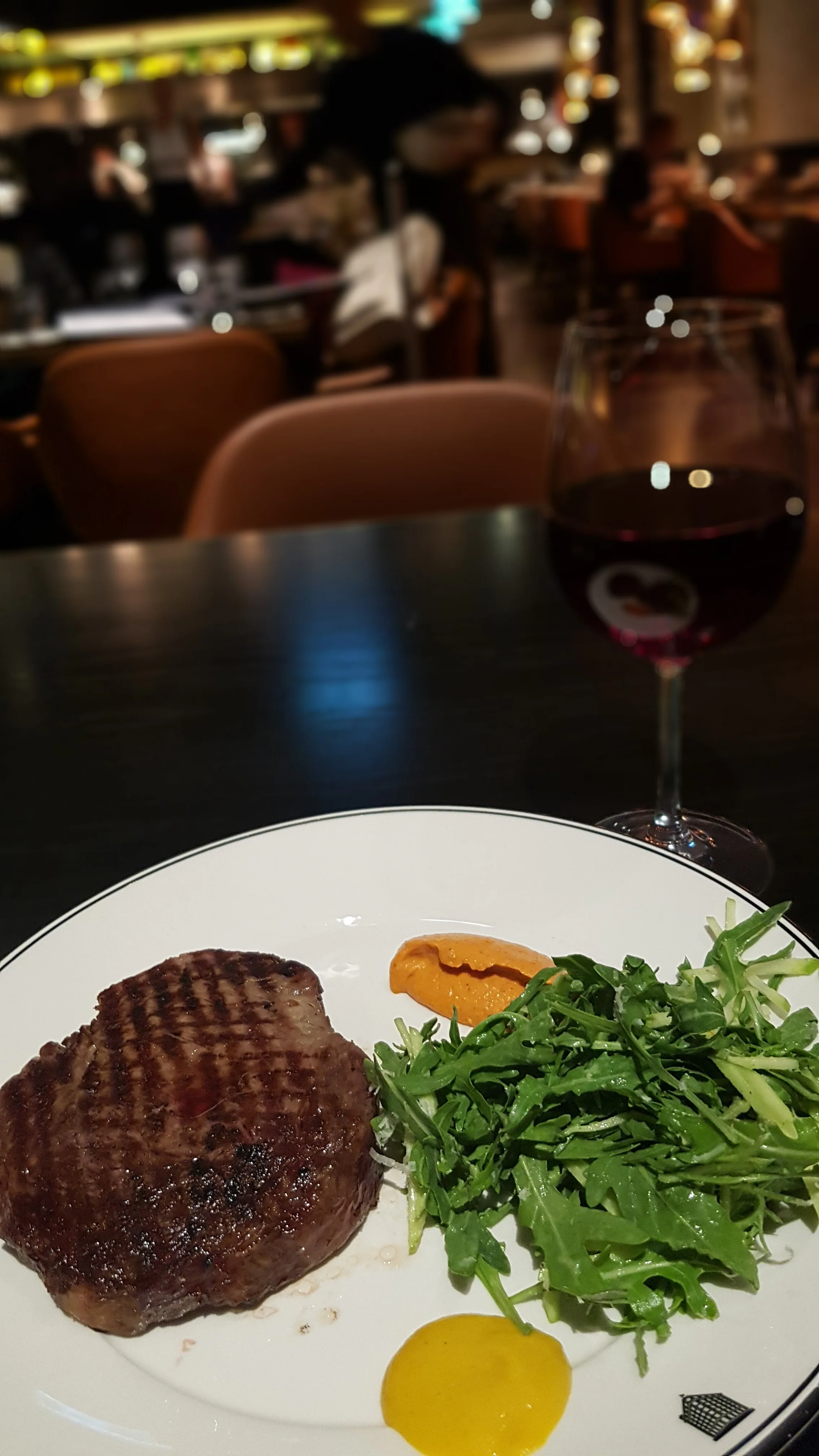
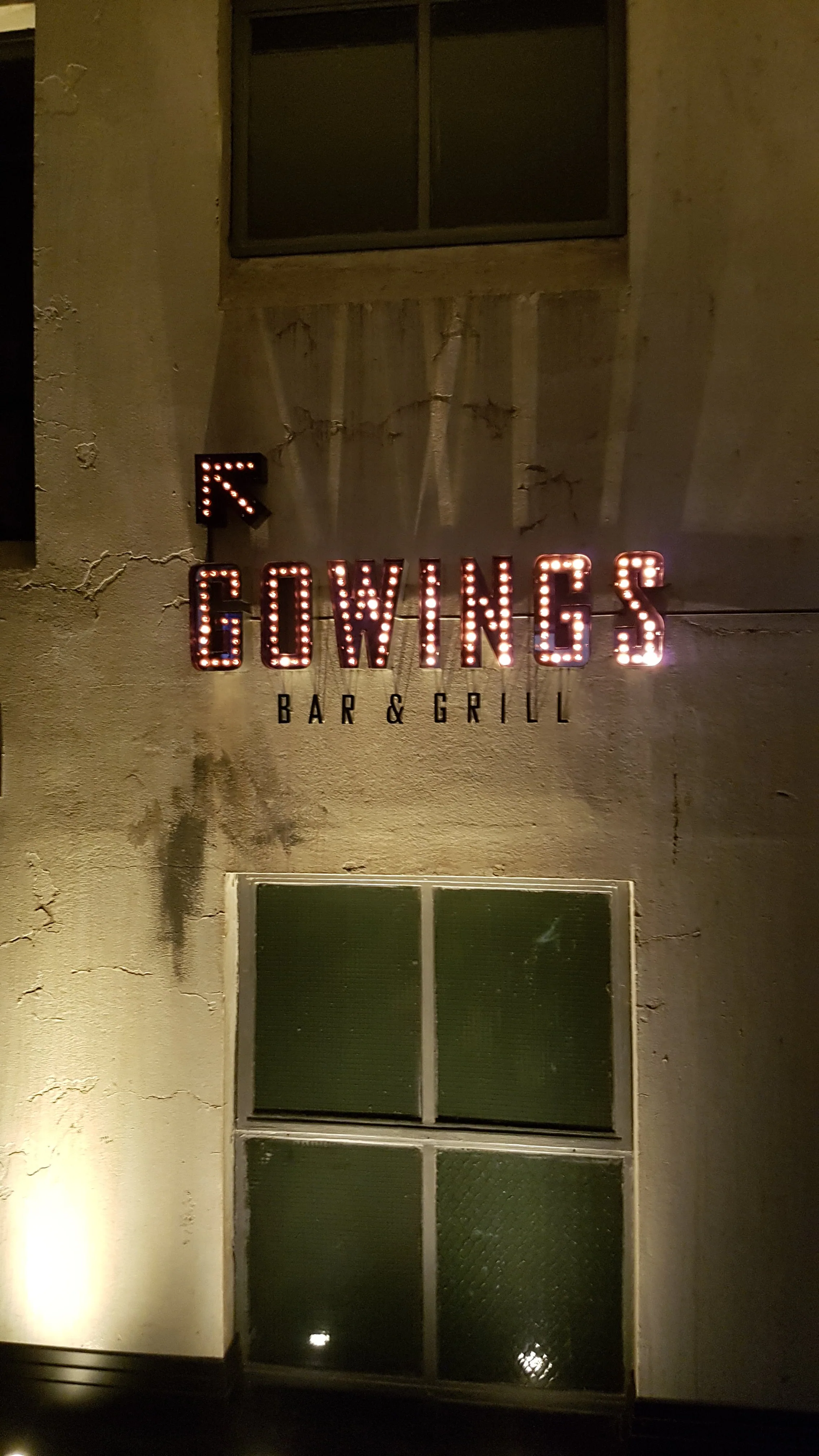
A solo Sunday evening in Sydney, just one day before my birthday and halfway through a business trip, and I was looking for dinner. Gowings Bar & Grill sits on the first floor of the QT Hotel on Market Street - a dimly lit, high-energy brasserie in the middle of the Sydney CBD. Sitting alone at a table, I had a brief, predictably foreign debate with myself: should I order the kangaroo just to say I did? Eventually, I settled on a standard cut of beef, medium rare, alongside some bitter greens and a smear of mustard. The birthday was tomorrow - which meant that technically, whatever happened tonight was still pre-celebration, still neutral territory, still entirely reasonable. Ordering a heavy, twelve-year-old prestige Barossa Shiraz was still unnecessary. I ordered it anyway.
The bottle was a 2006 Torbreck The Celts. To understand what this wine is, you have to look at how Australia regulates its vineyards. Unlike the rigid European hierarchy of AOCs and DOCGs that dictate everything from permitted grape varieties to maximum harvest yields, Australia operates on a looser system of Geographical Indications - or GIs - which strictly define regional boundaries but leave the actual winemaking logic entirely to the producer. The Barossa Valley GI is a specific, warm-climate valley floor sitting within the broader Barossa Zone, which itself falls under the massive South Australia state classification. It is a system built on historical freedom rather than legislative restriction. David Powell capitalized on exactly that freedom when he founded Torbreck in 1994, building an entire estate on a specific obsession: taking ancient, own-rooted Barossa vines and applying the winemaking logic of the Northern Rhone. Instead of the hyper-extracted, syrupy fruit bombs that defined much of the Australian export market in the late 90s, Powell wanted structure, tension, and savoury depth. The Celts, produced during his tenure, is an unapologetic expression of that philosophy - a small-production Shiraz built for density, savoury depth, and long ageing.
The fruit comes from Marananga - a sub-region situated on the western ridge of the Barossa Valley. The terroir here is defined by its warm Mediterranean climate and soils heavily laden with ironstone and red dirt over clay, a severe environment that forces the vines to struggle for water and naturally restricts yields. That geological stress translates directly into the grapes, yielding dark, muscular wines with a formidable tannic grip. The 2006 growing season pushed that baseline concentration even further. After a wet winter, the Barossa experienced a severely dry, hot summer that compressed the harvest window and brought crop levels down significantly. The structural result was a vintage of massive density, higher alcohol, and fierce, tightly wound tannins that required years in the cellar just to become approachable.
Torbreck's cellar regime for The Celts matched the intensity of the fruit. The wine was given an élevage of twenty-four months in new oak barrels - a maturation process that would completely smother a lesser wine, but here serves to slowly oxygenate and polish the aggressive Marananga tannins, folding the wood's spice into the deep, savory umami of the Shiraz. By the time I opened it twelve years later, that aggressive youthful structure had integrated into something velvet-heavy and profoundly dark - the kind of result that makes Powell's departure from Torbreck in 2013 feel like an actual loss rather than a corporate footnote.
The pairing worked exactly as basic gastronomic mechanics dictate. A heavily seared steak brings fat and charred proteins; an aged Barossa Shiraz brings serious weight, remaining tannin, and dark fruit. It is a pairing based on simple friction: the animal fat gives the massive Marananga tannins something to break down, and the bitter greens keep the combination from collapsing under its own weight. Opening a twelve-year-old Barossa Shiraz for a solo dinner is, by any standard, a structural overkill. But the mechanics of the pairing functioned exactly as designed, and the calendar provided the required justification. My birthday was the next day. That was enough to write off the excess.
Pairs well with