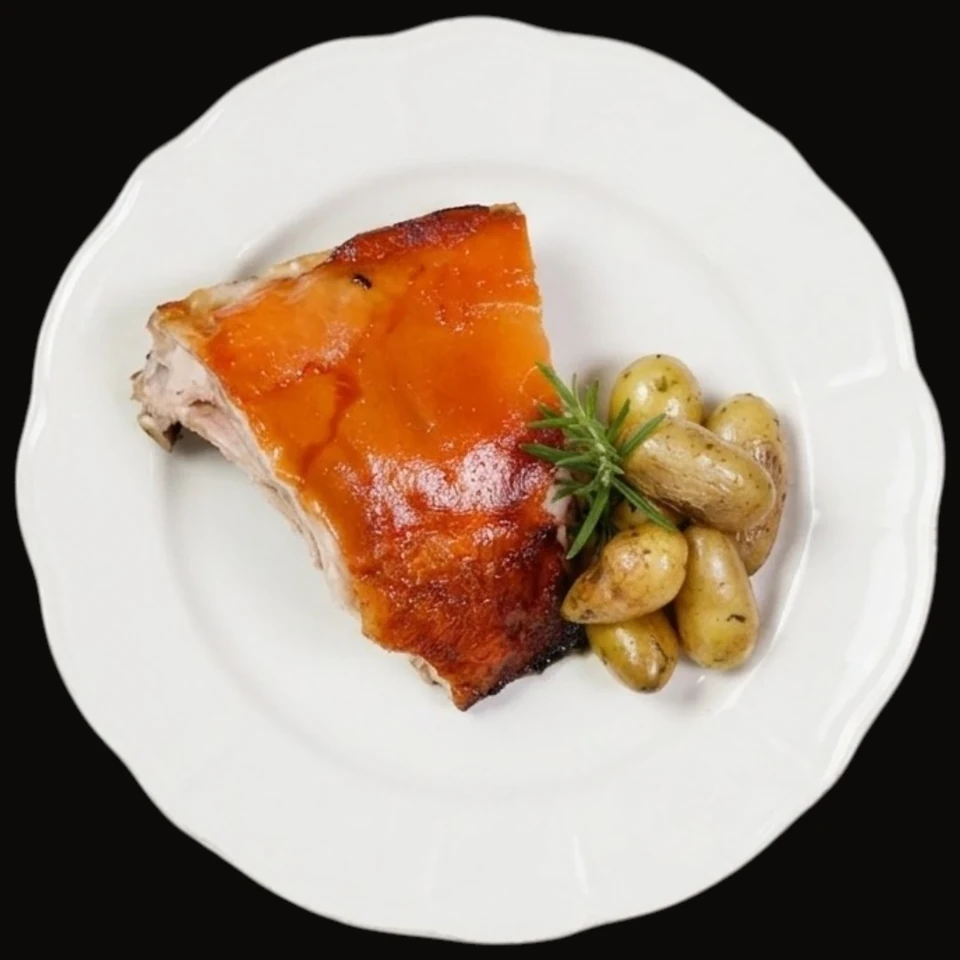
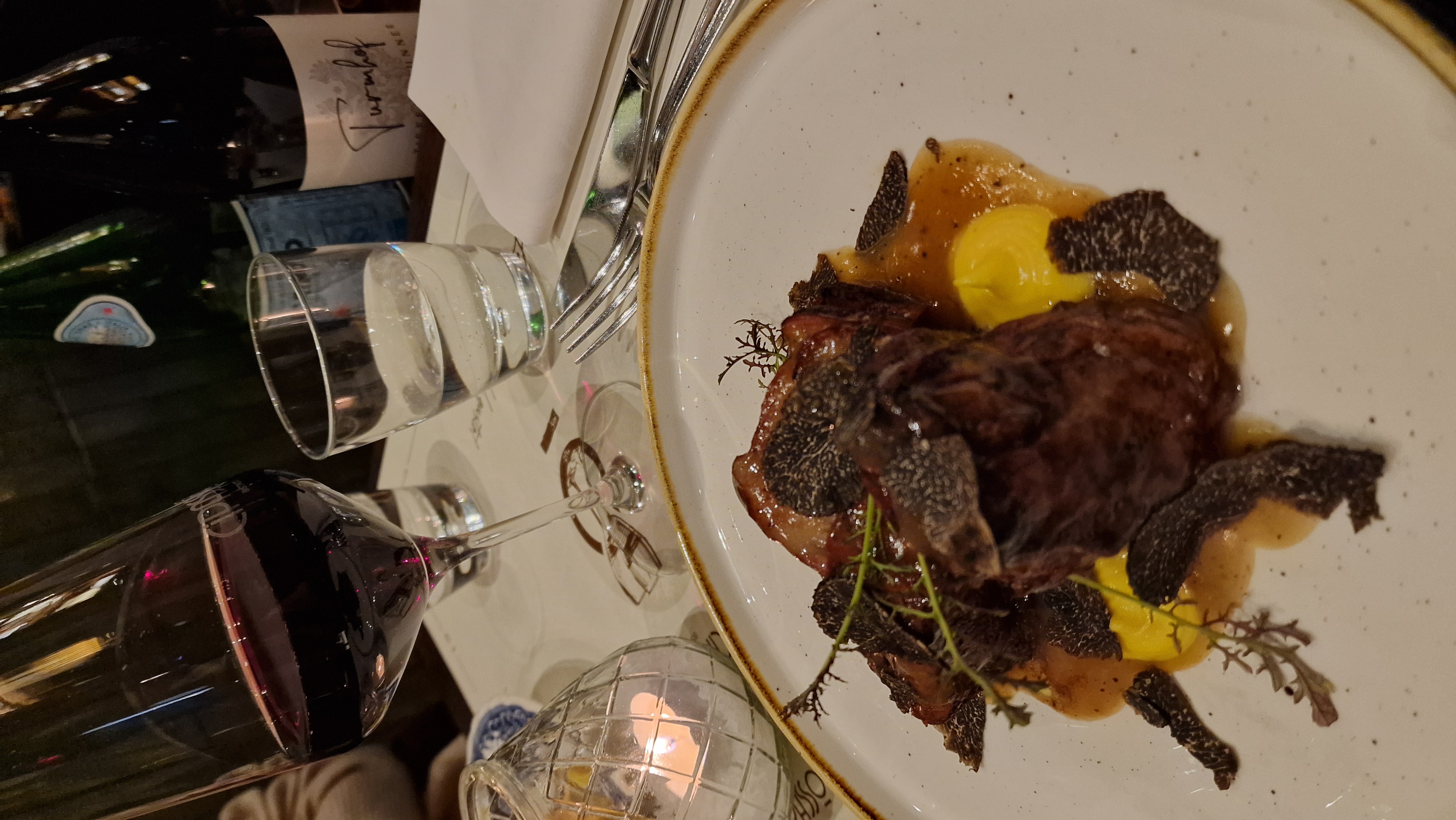
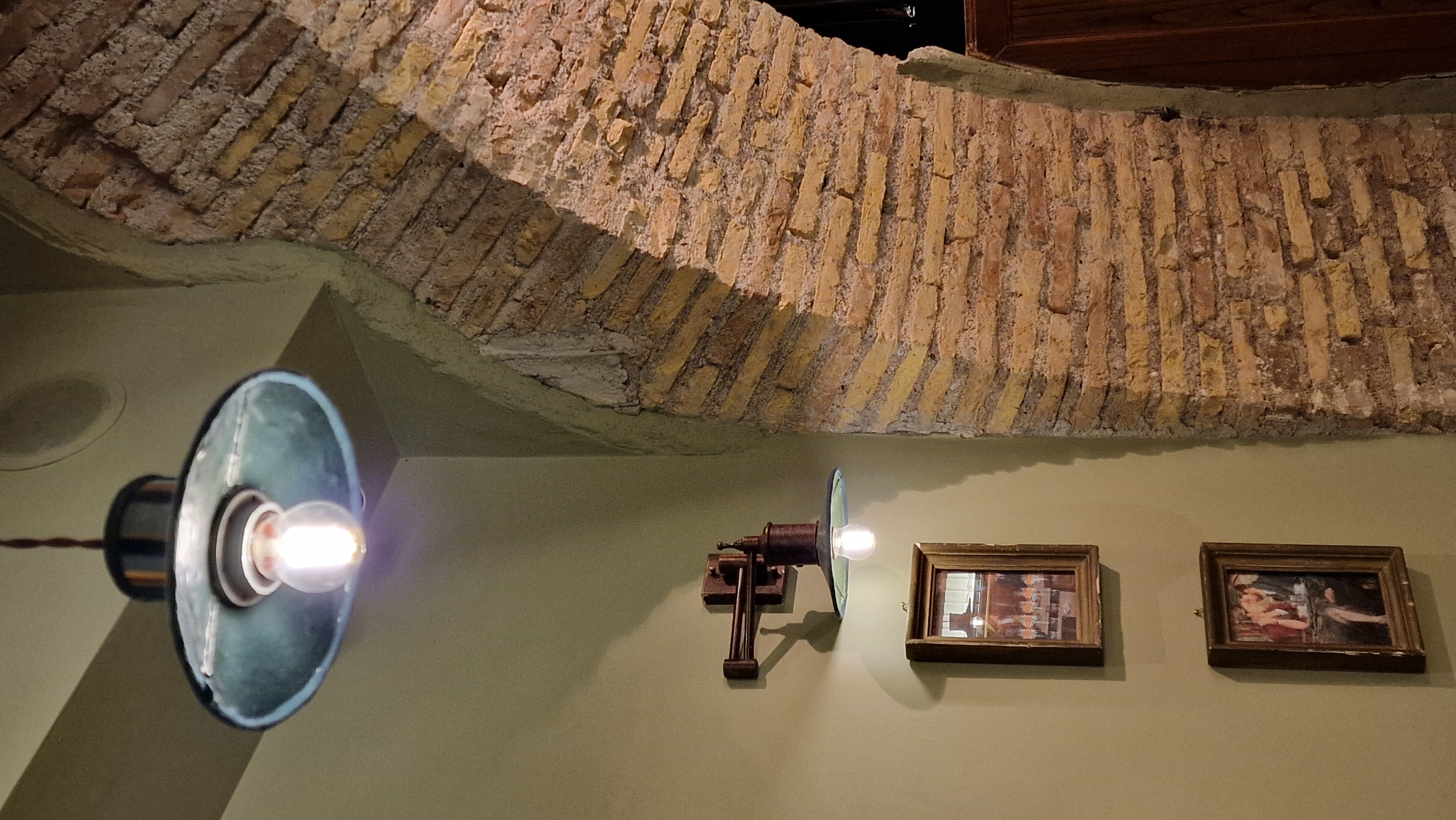
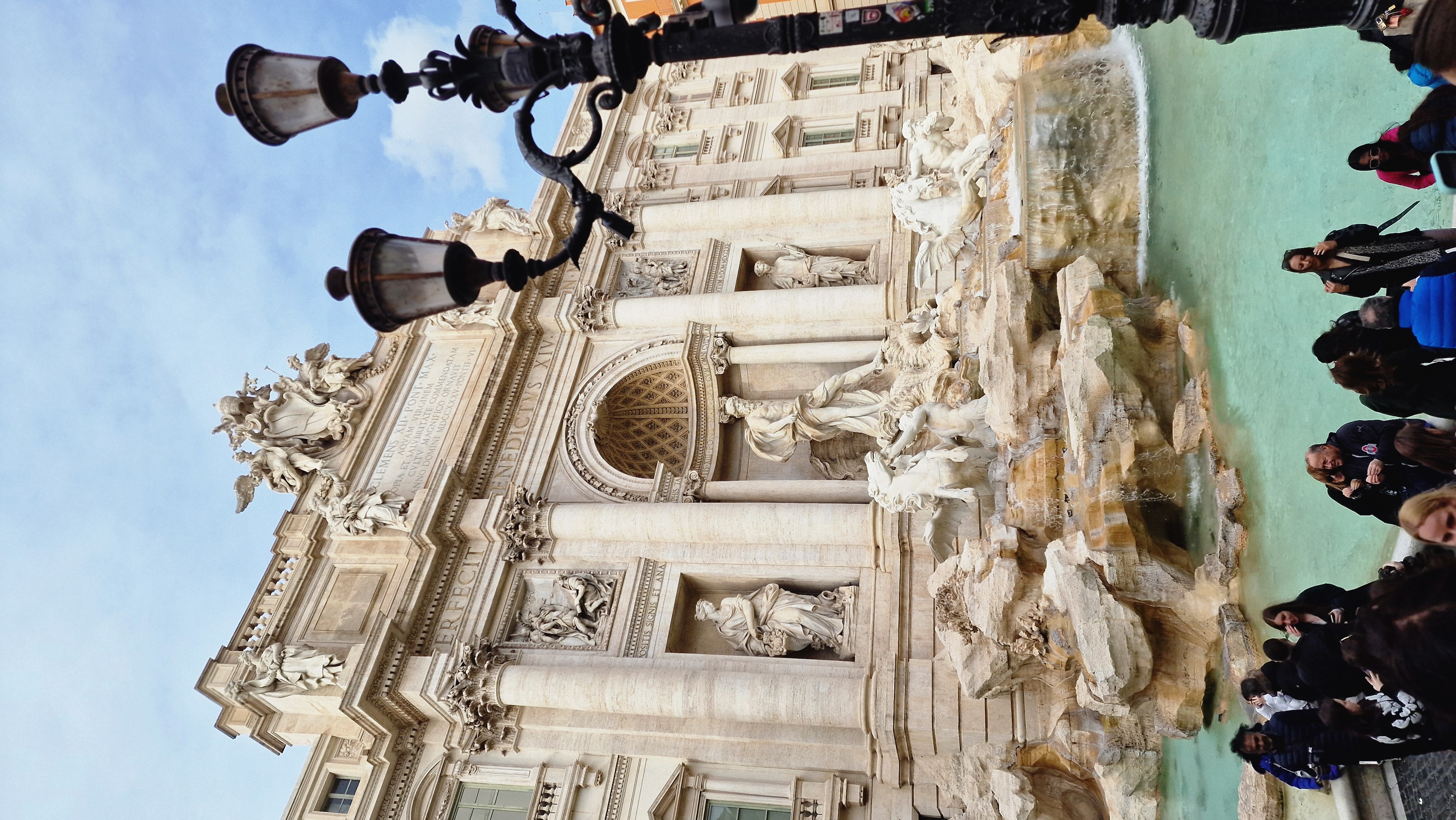
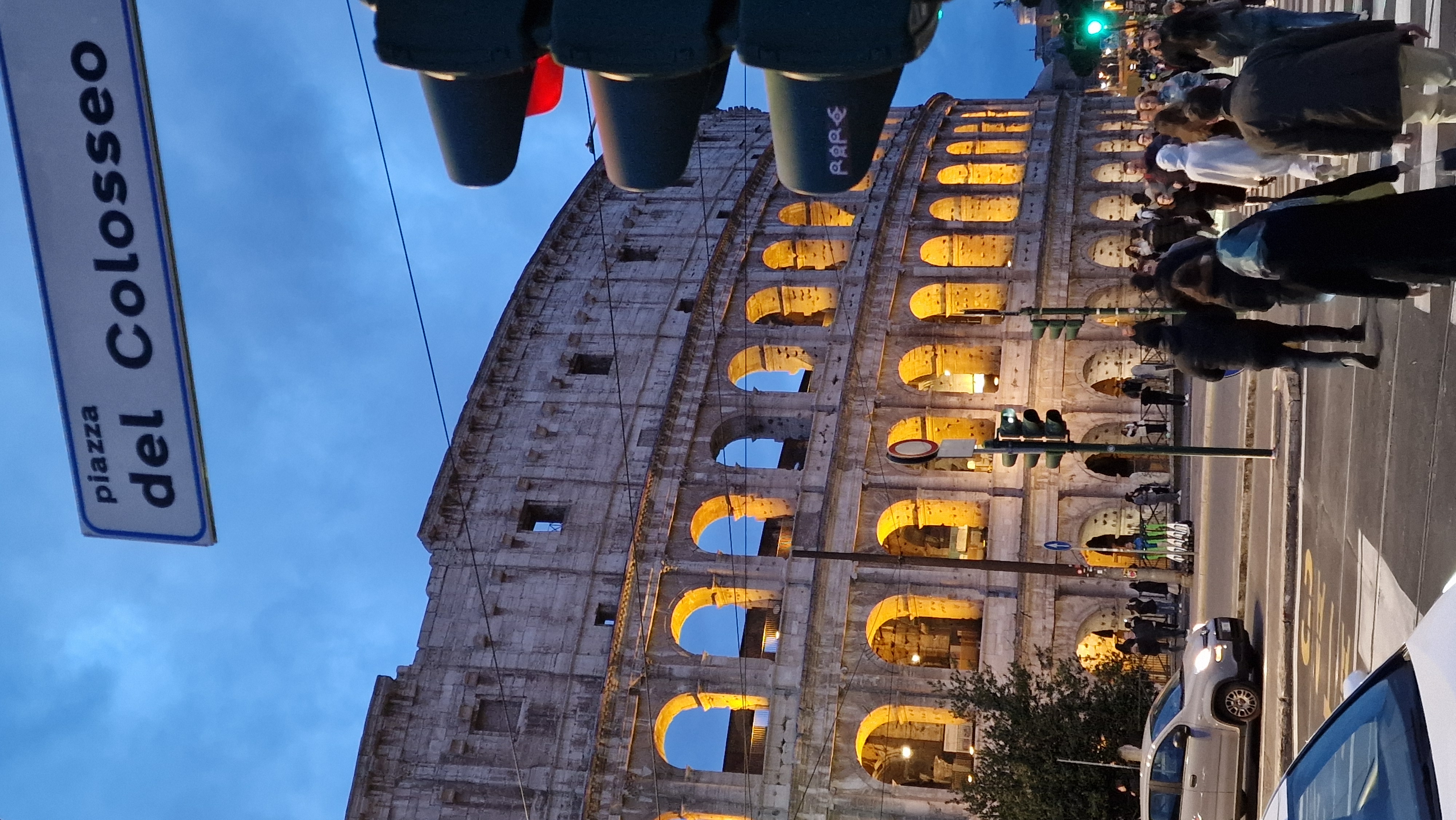
The walk through the Eternal City had been long and unstructured — the Colosseum at twilight, the Trevi Fountain against the evening crowds — the kind of meandering, hours-long stretch that leaves you exhausted in exactly the right way. My fiancée had found and booked the restaurant: CiPASSO, a contemporary Roman place on Via Metastasio, close to the Pantheon. The main course arrived, and it was a known, if elusive, house specialty: maialino al cacao. The pork was slow-cooked to a yielding softness, coated in a dark, savoury cocoa sauce that was entirely unsweet, and crowned with generous shavings of fresh black truffle. It was a serious plate of food. To drink, I had ordered a bottle of 2022 Tiefenbrunner Turmhof Blauburgunder.
Weingut Tiefenbrunner — formally Schlosskellerei Castel Turmhof — is based in Entiklar, in the municipality of Kurtatsch, roughly six hundred kilometres north of Rome in the Alpine province of Alto Adige. The estate has been in the Tiefenbrunner family for five generations, since 1848, and is currently run by Christof and Sabine Tiefenbrunner. In an appellation heavily focused on crisp whites, Blauburgunder — as Pinot Noir is historically known in this German-speaking region — has established a serious foothold. Alto Adige is Italy's coolest and most northerly red wine zone, defined by steep valleys, intense Alpine sunlight, and massive diurnal temperature swings.
The Turmhof Blauburgunder is not a single-vineyard wine, but a composite drawn from three distinct hillside elevations. The lower parcels in Pinzano and Mazzon — at roughly 400 to 550 metres on clay-rich moraine soils — provide structure and warmth. The higher parcels in Corona and Aica di Fiè — pushing up to nearly 1,000 metres on calcareous gravel and silty sand — deliver the high-altitude tension, perfume, and acid backbone. The grapes are fermented in steel or concrete, then undergo an élevage of roughly eight to ten months in a combination of small French oak barriques and large traditional casks, followed by a short rest in concrete before bottling. This regime softens the wine without erasing its Alpine edge, giving it a subtle framework of baking spice that supports, rather than masks, the fruit. The 2022 vintage was warm, producing a wine with perhaps slightly more dark-berry compote character than usual, but the cool mountain nights maintained the necessary freshness.
Blauburgunder is a notoriously difficult grape to grow. Thin-skinned, tightly clustered, and susceptible to rot, it demands cool climates to retain its delicate aromatics and acidity. In Alto Adige, the dry, well-ventilated hillsides mitigate the disease pressure, while the wide temperature shifts between day and night prevent the fruit from losing its tension. The result is typically a translucent ruby wine with a profile centered on wild red berry, cherry, and subtle earthiness, rather than the heavy extract or aggressive tannins of thicker-skinned varieties.
The pairing of an Alpine Blauburgunder with a Roman cocoa-sauce pork dish was not an obvious one. Traditional logic might point toward a structured local red — perhaps a Cesanese or a robust Montepulciano. Yet, against the maialino, the Turmhof made complete sense. The pork was rich and the black truffle deeply earthy, but the unsweetened cocoa sauce required a wine that would not fight it with heavy tannins. The Blauburgunder, with its silky texture, medium body, and bright mountain acidity, cut cleanly through the richness of the meat, while its own subtle notes of forest floor and baking spice echoed the earthy truffle.
It was the kind of dinner that anchors a trip. The food was deeply savoury, and the wine, chosen without overthinking, elevated the entire experience. It is a reminder that the best pairings often come not from strict regional adherence, but from a simple alignment of weight, texture, and a bit of luck.
Pairs well with