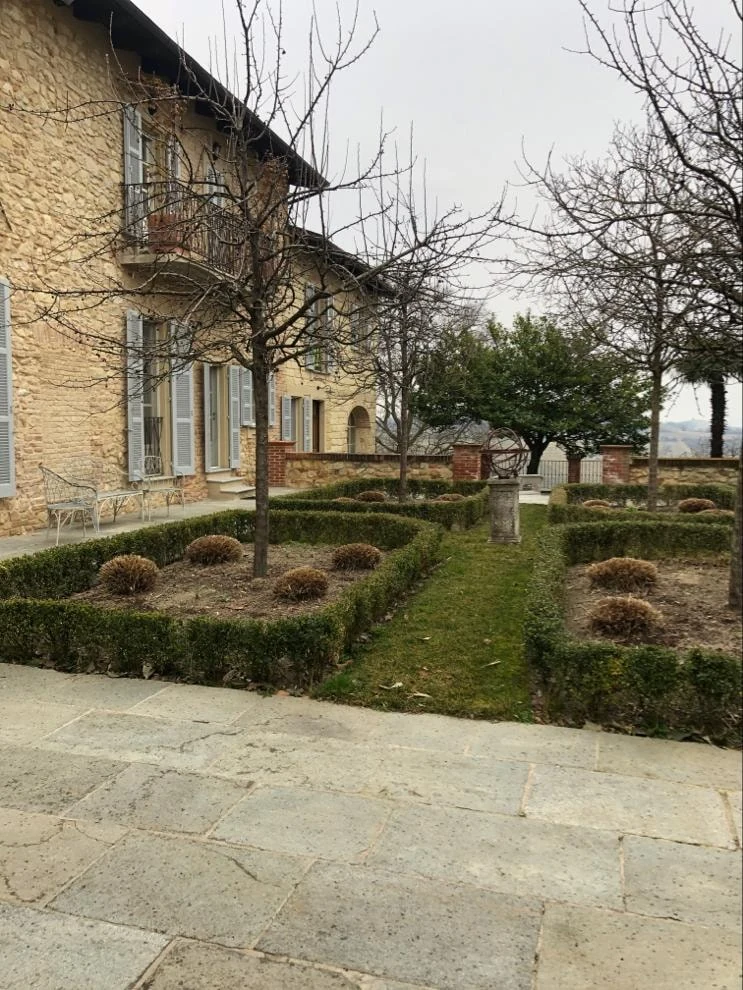
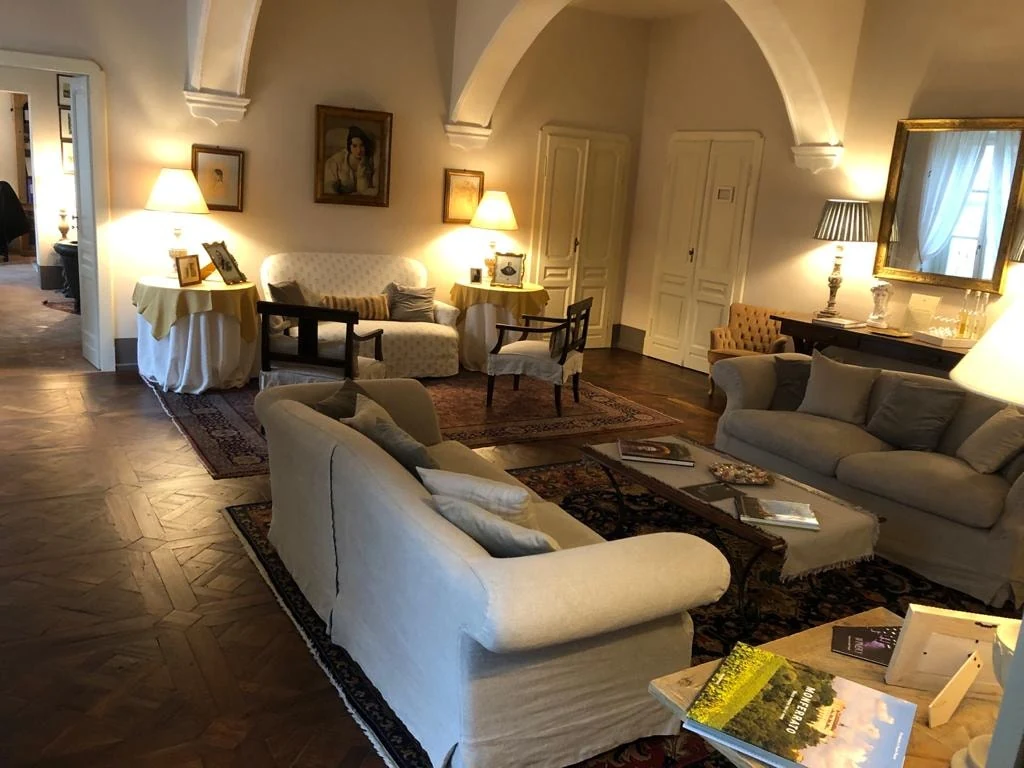
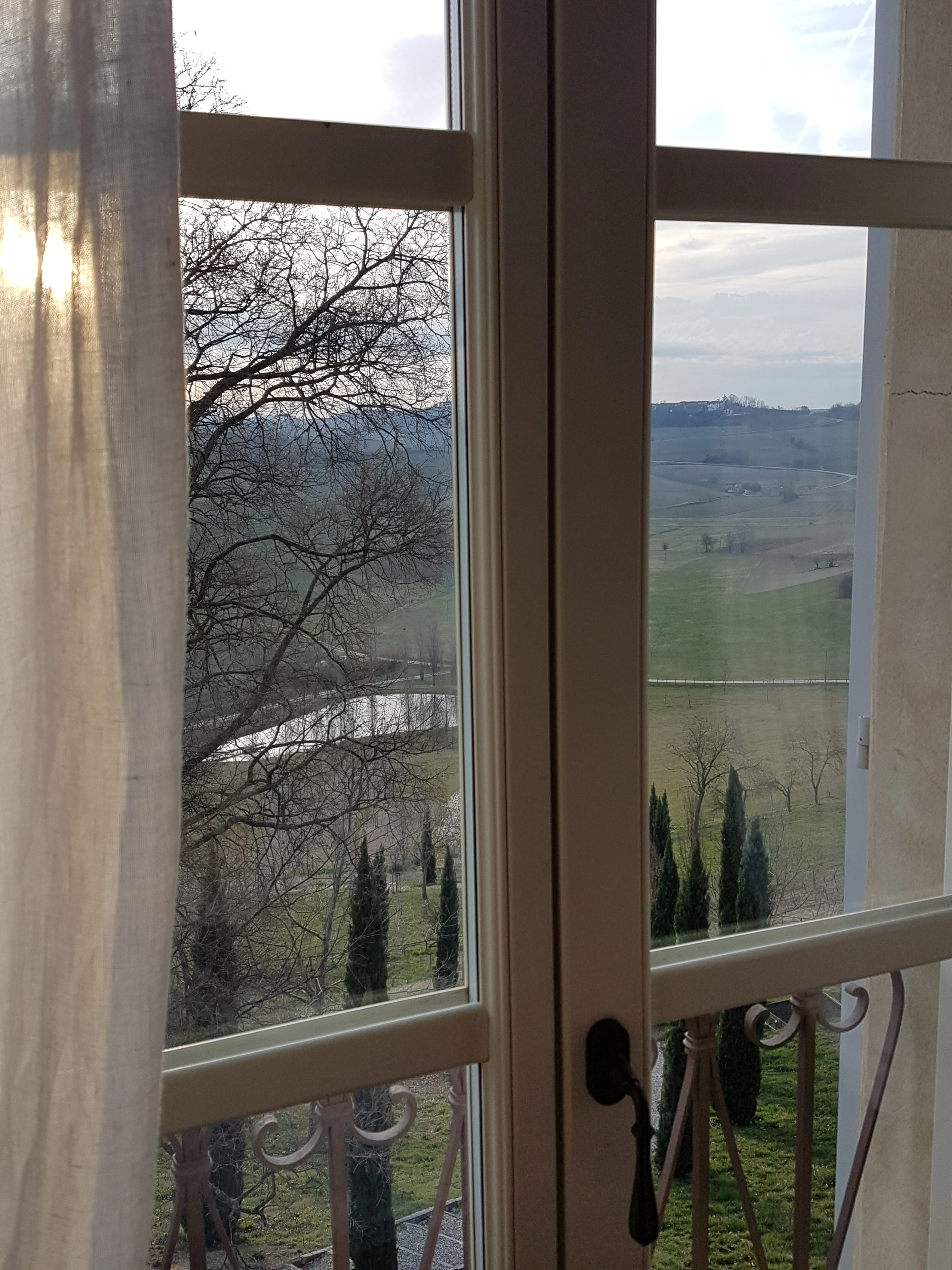
In February 2020 my then girlfriend and I drove into the Monferrato hills for a few days of winter Piedmont, with no idea the borders would close three weeks later. It was the low season at its lowest: bare vines, fog sitting in the folds between hills, villages that empty out by seven in the evening. We took a room at Tenuta Santa Caterina in Grazzano Badoglio, an eighteenth-century palazzo built around a former Benedictine monastic complex, and the window framed the region’s entire argument — green slopes, a pond, a line of cypresses, and not a single tourist.
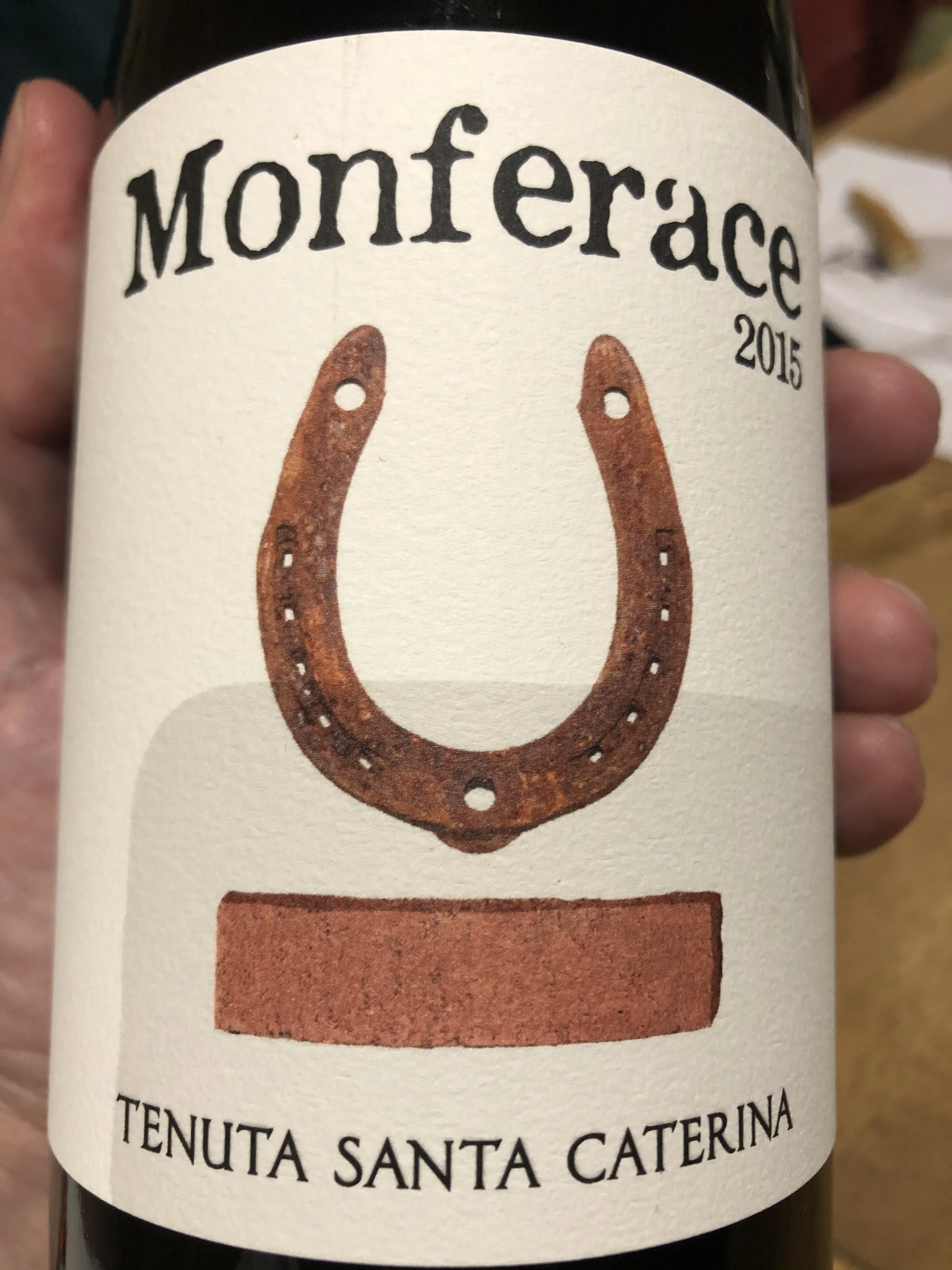
Grazzano has a habit of renaming itself after its men. Until 1939 it was Grazzano Monferrato; then it was rebaptised for Marshal Pietro Badoglio, the village’s most famous son, who in 1943 would sign Italy’s armistice with the Allies. The older claim is grander. The village grew around an abbey founded in 961 by Aleramo, first Marquis of Monferrato — the knight who, legend insists, was granted all the land he could ride around in three days and, to keep his horses alive, shod them with bricks — and his remains have rested in the parish church since 1581. One etymology derives “Monferrato” from exactly that dialect pun: mun — brick — and frà, shod. The label of the bottle we would choose two days later carries a rusted horseshoe above a brick. In Monferrato, nothing on a label is decorative.
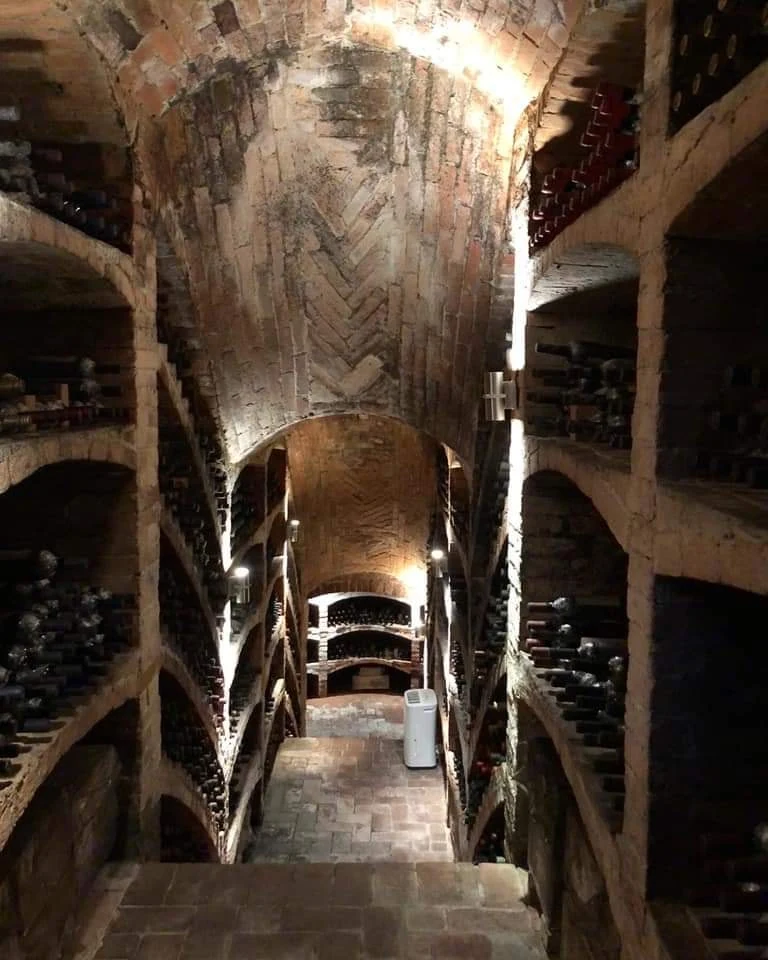
The tasting happened in the estate’s cellar, brick vaults descending toward an infernòt — a windowless chamber cut seventeen metres into the tufa, part of a local digging tradition UNESCO now lists as World Heritage. We worked through Barbera, Freisa, Nebbiolo; the bottle that stopped the conversation was the strangest project in the room, and it went upstairs with us.
Guido Carlo Alleva is a Milanese criminal lawyer who in 2000 returned to his mother’s village, bought the decaying monastic complex, restored it, and replanted twenty-three hectares — a defence brief argued with vineyards instead of witnesses. He also presides over the Monferace association, a group of producers who in 2016 wrote themselves a private protocol stricter than the DOC: registered vineyards only, yields capped at 70 quintals per hectare, a minimum of forty months’ ageing with at least twenty-four in wood, and a blind commission entitled to refuse any vintage outright. Monferace — from Mons Ferax, “the fertile mountain,” the Aleramic name for these hills — is a bet that Grignolino can again be what it was in the nineteenth century. The 2015 was the bet’s opening chip: the project’s debut vintage, presented to the market only in 2019, all of 1,433 unfiltered bottles of it.
Grignolino needs the explanation, because the modern market has filed it under “light lunch red.” The name comes from grignole — Asti dialect for grape pips, which the variety carries in unusual abundance. Pale-skinned, low-yielding, late and uneven to ripen, it gives little colour and a serious charge of pip tannin: a wine with a rosé’s complexion and a young Nebbiolo’s handshake. In 1861 aged Grignolino stood beside Nebbiolo at the London and Paris exhibitions; then phylloxera and the postwar flight from the countryside nearly finished it, and what survived was mostly replanted to Barbera or demoted to early-drinking simplicity.
The fruit comes partly from one of the estate’s oldest vineyards: calcareous-clayey marls rich in silt and marine fossils — an old seabed — at around 300 metres, facing south and south-east, Guyot-trained at 4,500–5,000 vines per hectare and cropped to 40–50 quintals, well under the association’s own cap. The 2015 season gave the protocol its first test: a wet winter charged the soils, July arrived as the hottest since 1880, mid-August rain pulled the vines back from the edge, and a calm, dry autumn let the estate hand-pick in the first days of October. Mario Ronco summed up the year as high sugars and low acidity — hence a round, 14% expression of a grape built on nerve.
Then the élevage the whole project exists for: thirty months in small oak casks, thirty more in bottle before release. Time does what extraction cannot — the pip tannins polymerise into something fine-grained, and the rose and wild strawberry take on tobacco and tar.
I honestly don’t remember what we ate that evening; for once the story wasn’t on the plate. Three weeks later Codogno happened, the borders closed, and Europe went indoors for two years. We had drunk a wine that waited five years to be released. Our turn was coming.
As forecasts of 2020 went, a rusted horseshoe over a brick proved the most accurate one available.
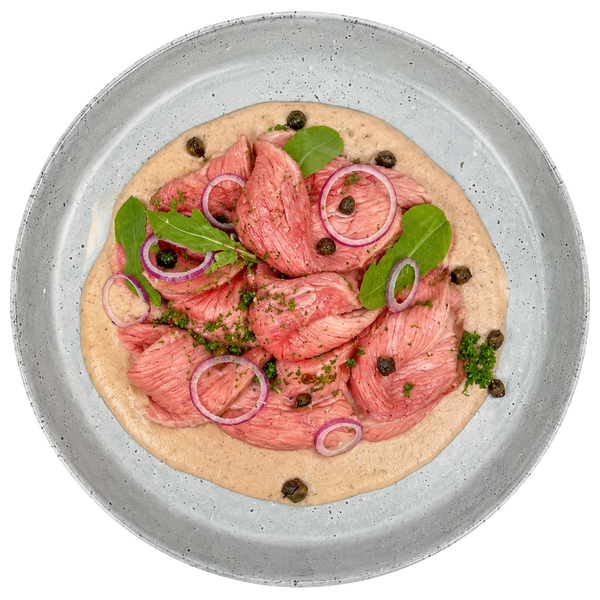
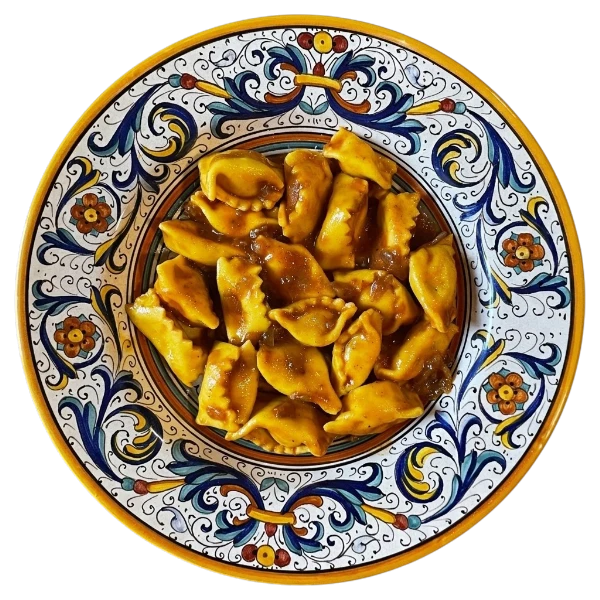
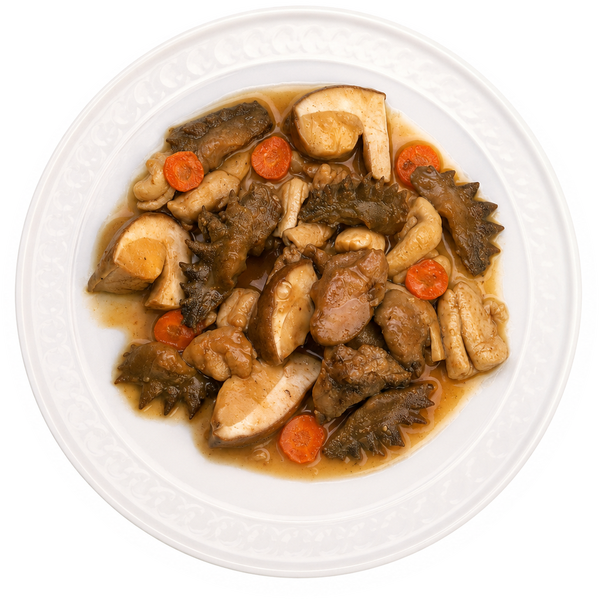
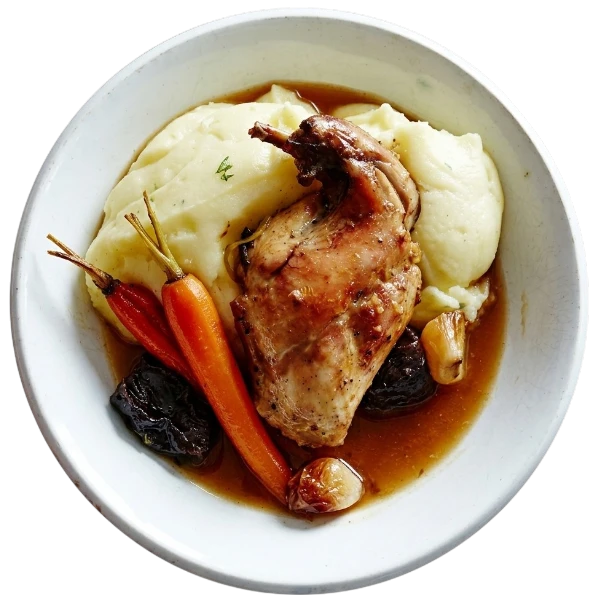
Pairs well with