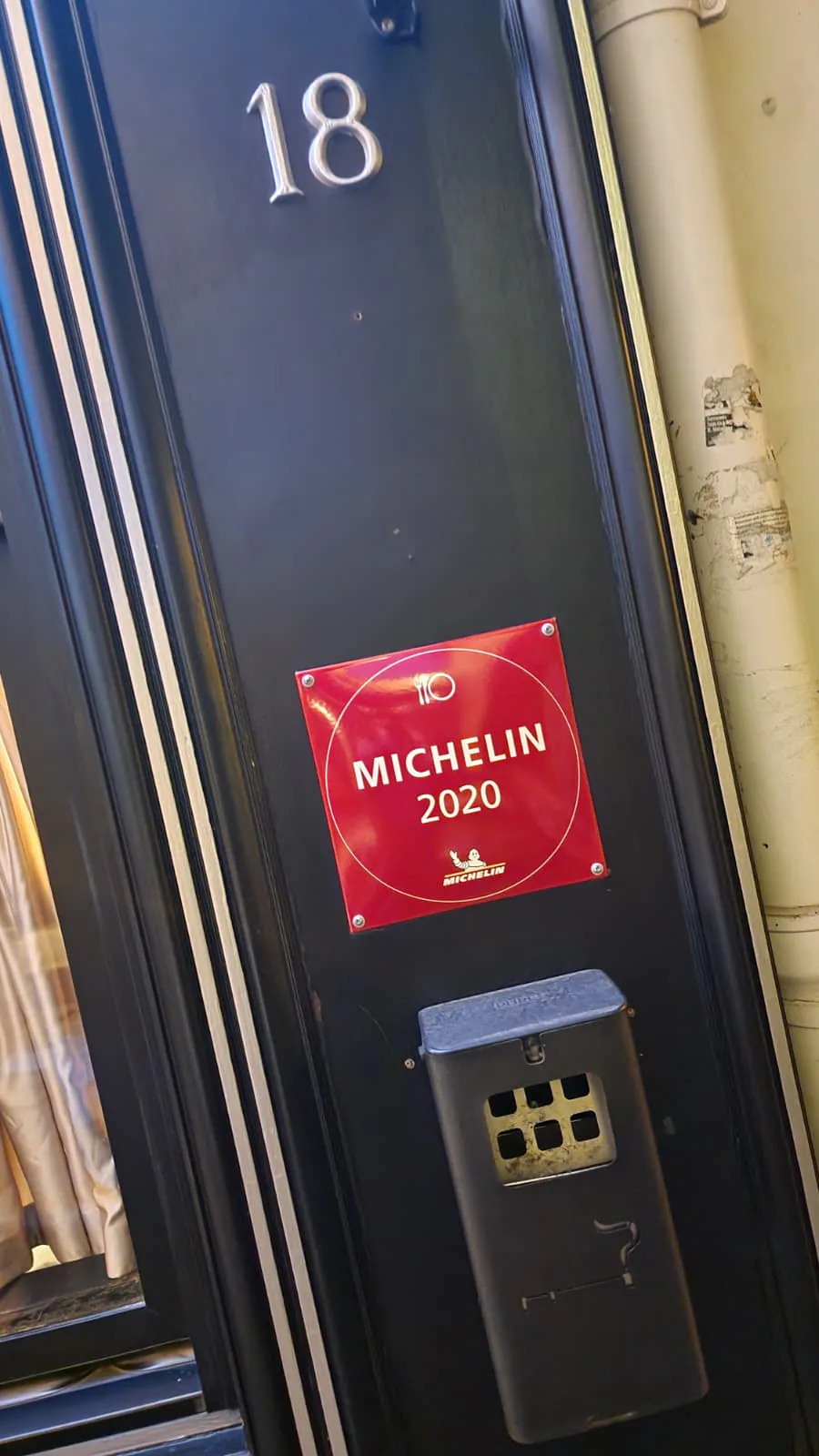
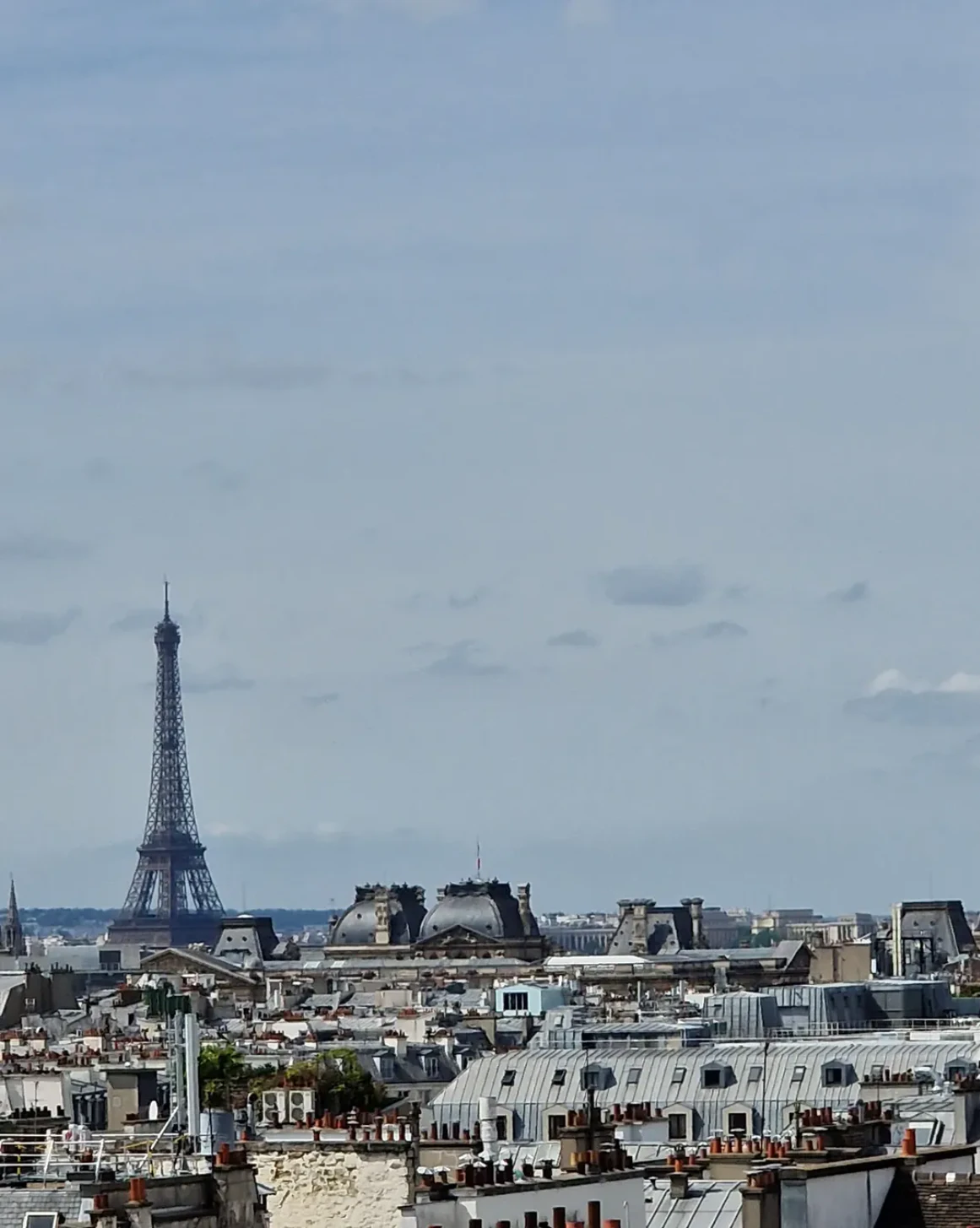
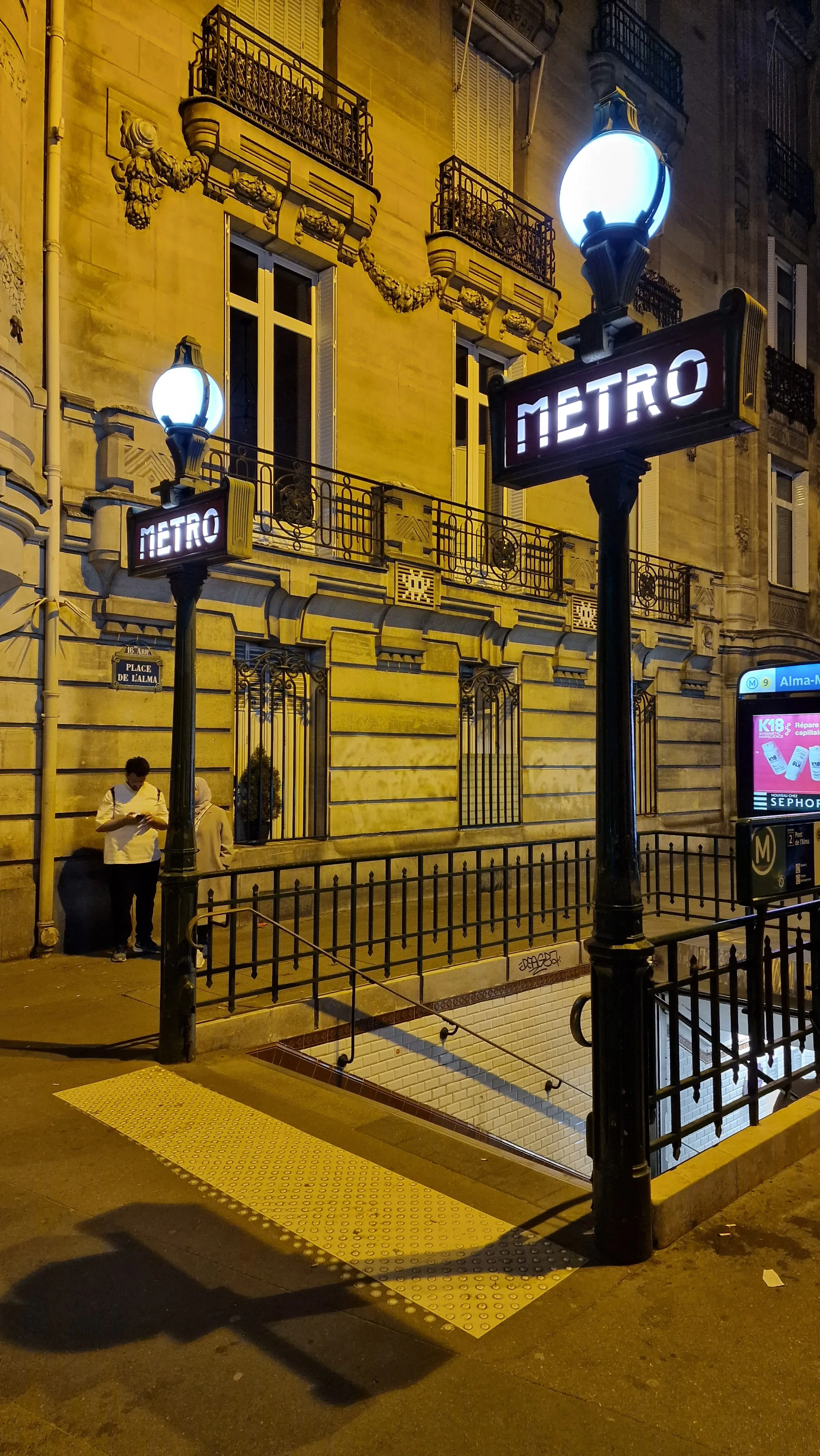
Philippe Excoffier has been a fixture in the 7th arrondissement since 2011 — a quiet street off Rue Saint-Dominique, in the part of Paris that houses embassies rather than tour groups, a short walk from the Eiffel Tower and the Musée d'Orsay. The place holds a consistent presence in the Michelin guide. Recently rebranded as Excoffier Père & Fils, with Sasha Excoffier now running a dedicated soufflé menu alongside the classic French kitchen his father built. It was an easy choice for an evening with my fiancée — the kind of place where the room does half the work before the food arrives.
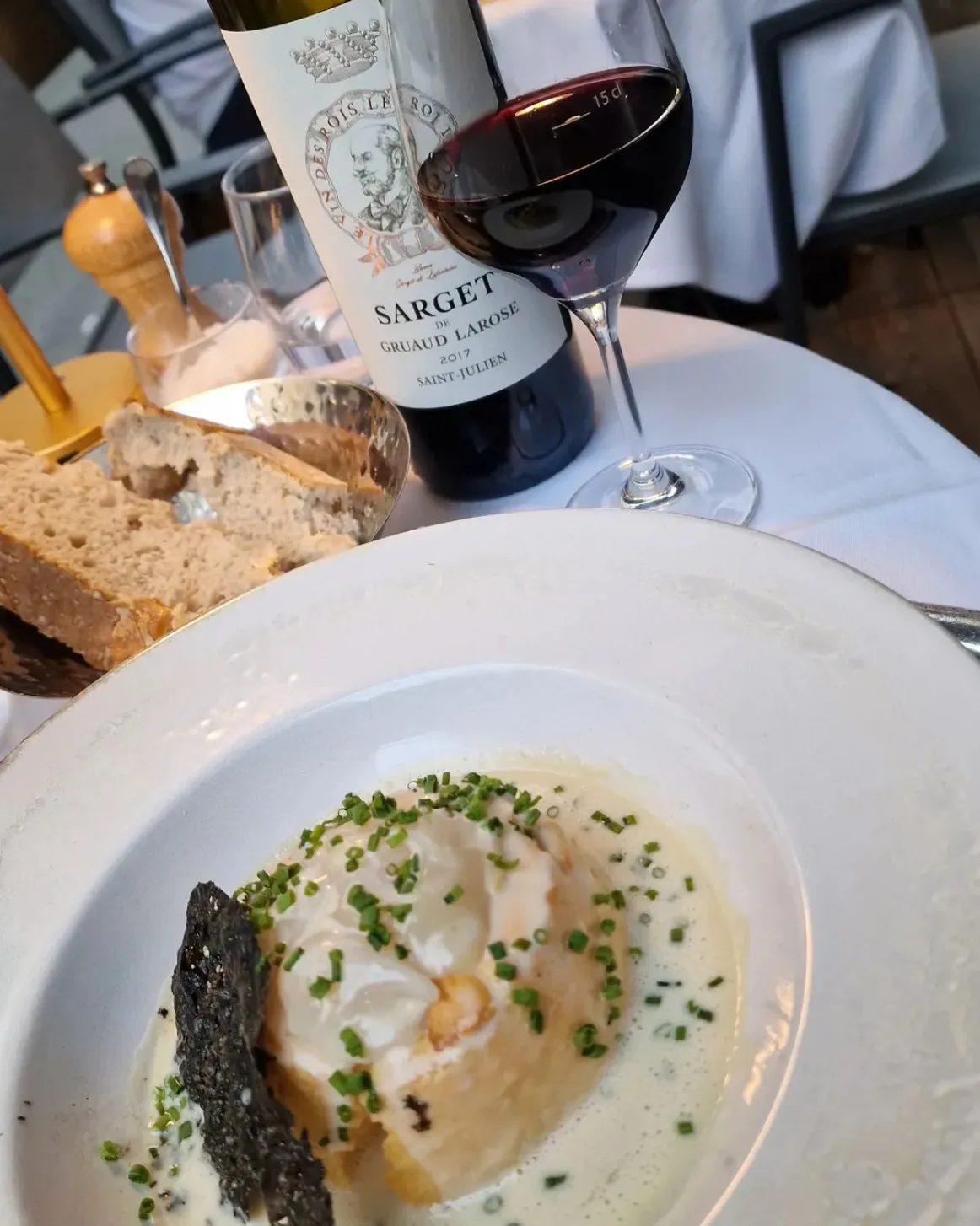
For the wine, I went with Sarget de Gruaud Larose 2017 — the second wine of Château Gruaud Larose, one of fifteen Deuxième Grand Cru Classé estates per the 1855 classification. As the second wine of a classified Bordeaux château, it is a deliberate selection from the same holdings, made to be approachable earlier while the grand vin ages. The 2017 Sarget is a blend of 61% Cabernet Sauvignon, 30% Merlot, 6% Cabernet Franc, and 3% Petit Verdot — a Left Bank composition in every sense.
Saint-Julien lies in the central Médoc on Bordeaux's Left Bank, between Margaux to the south and Pauillac to the north. Its identity is shaped above all by geology: ancient Garonne gravel croupes, laid down in the early Quaternary more than 600,000 years ago, over soils that drain efficiently, warm up quickly, and retain heat around the vines. Château Gruaud Larose sits on these old gravels — a classic Cabernet terroir that tends to produce wines with structure, lift, and precision, firmly built but with more polish and less outright muscle than a typical Pauillac. The 2017 vintage was shaped by heat and drought, with lower yields and earlier picking — conditions that concentrated fruit but left some tannins drier than usual in less well-managed estates. The Sarget was made with 50% wood and 50% cement vinification, 20–30 days maceration, and 14 months in French oak with 15% new wood — a restrained regime that kept the fruit forward and the texture clean.
Château Gruaud Larose was founded in 1725 by the knight-abbot Joseph Stanislas Gruaud — a man who combined spiritual rank with a notable commercial instinct. He is credited with one of the earliest known examples of quality-price signalling in Bordeaux: raising prices on his wines until the bottles sold, building the estate's reputation through scarcity rather than discounting it away. The name came later, after the property passed to his nephew Chevalier de Larose, who added his own to his uncle's — and Gruaud-Larose has carried both ever since.
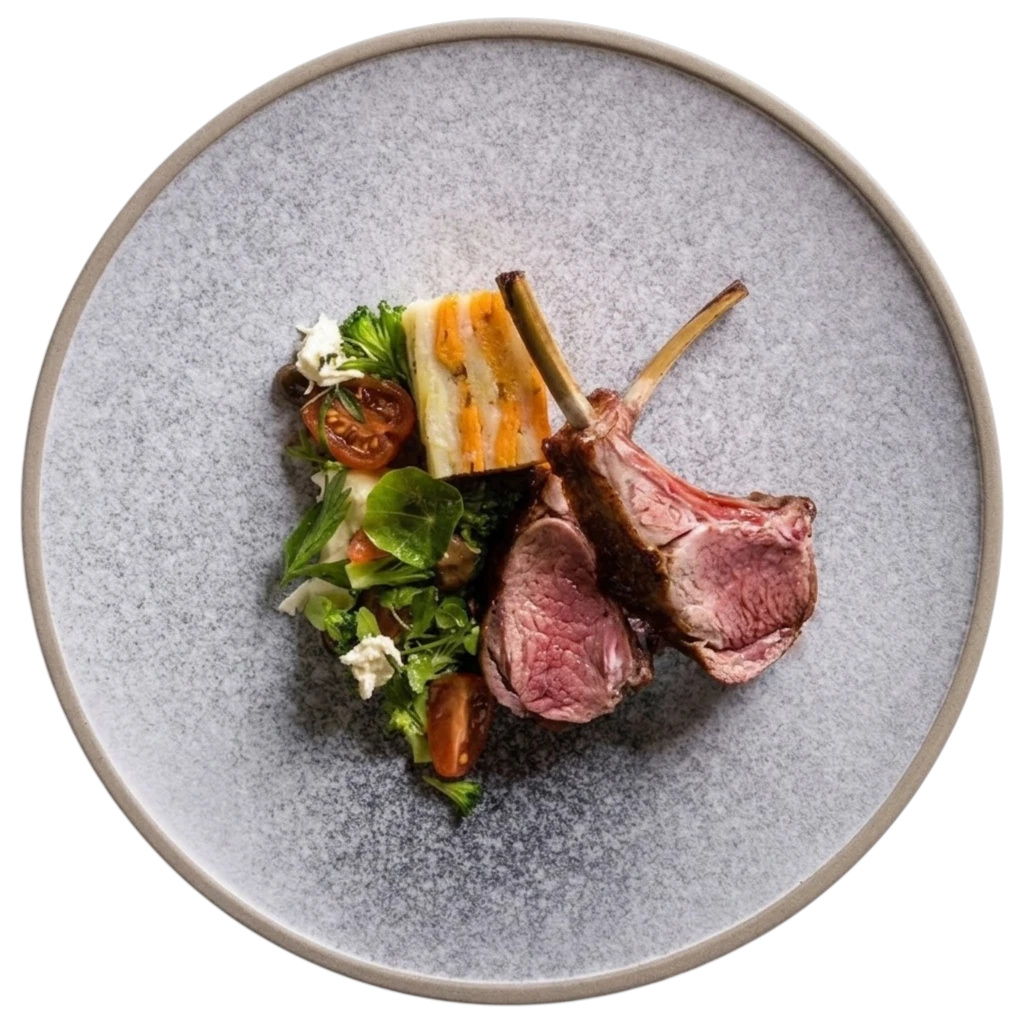
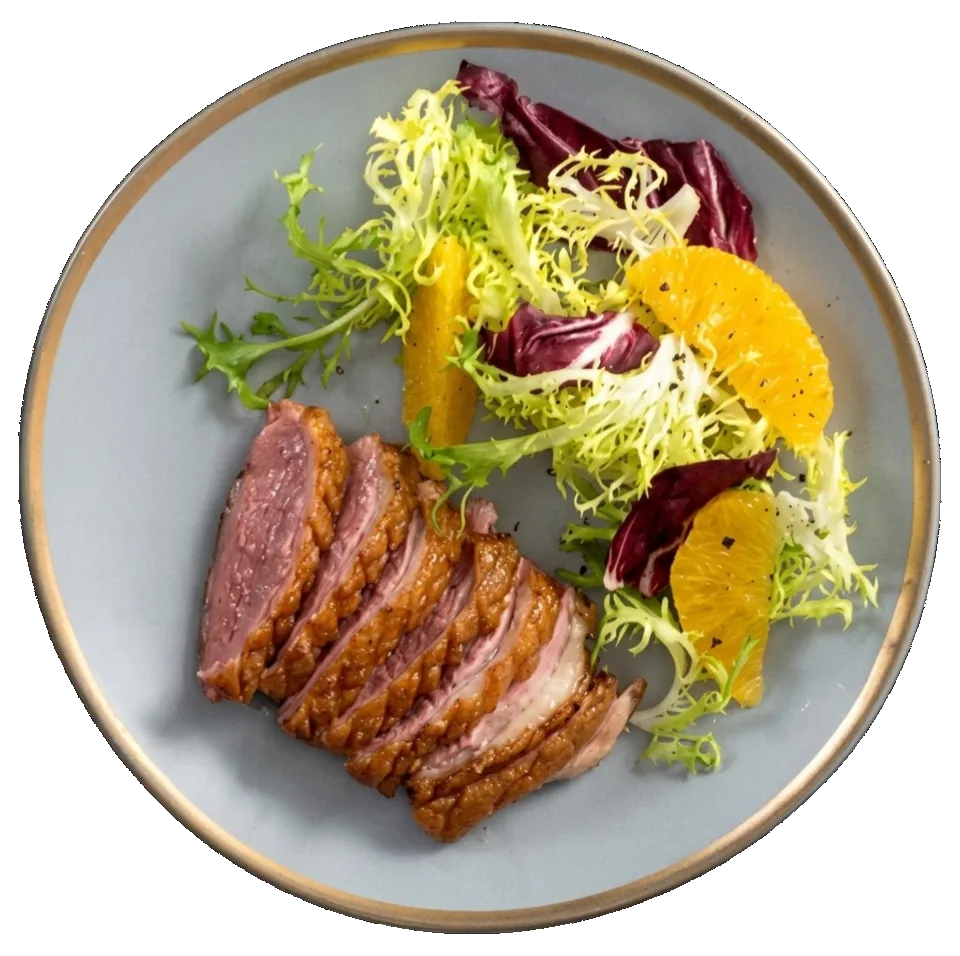
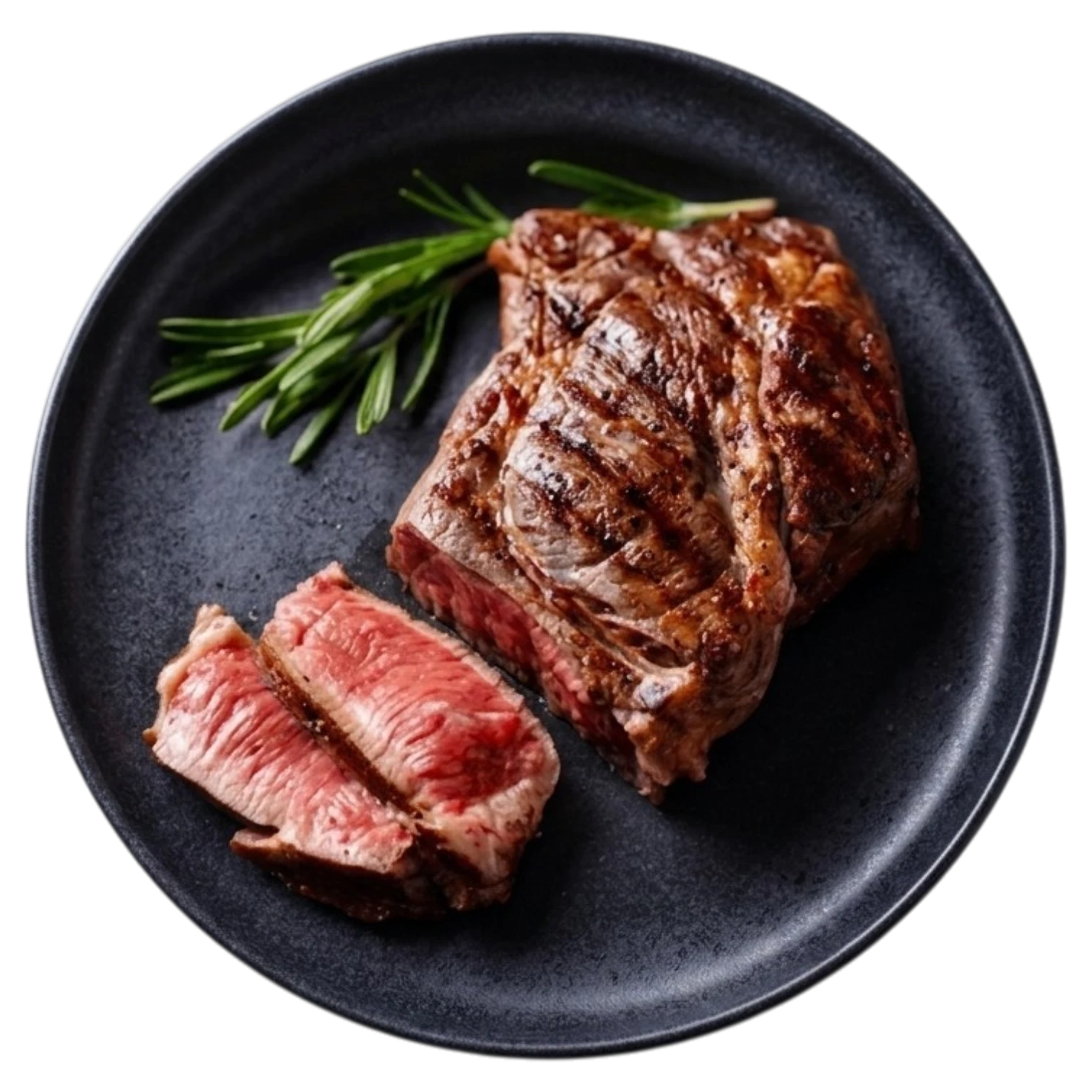
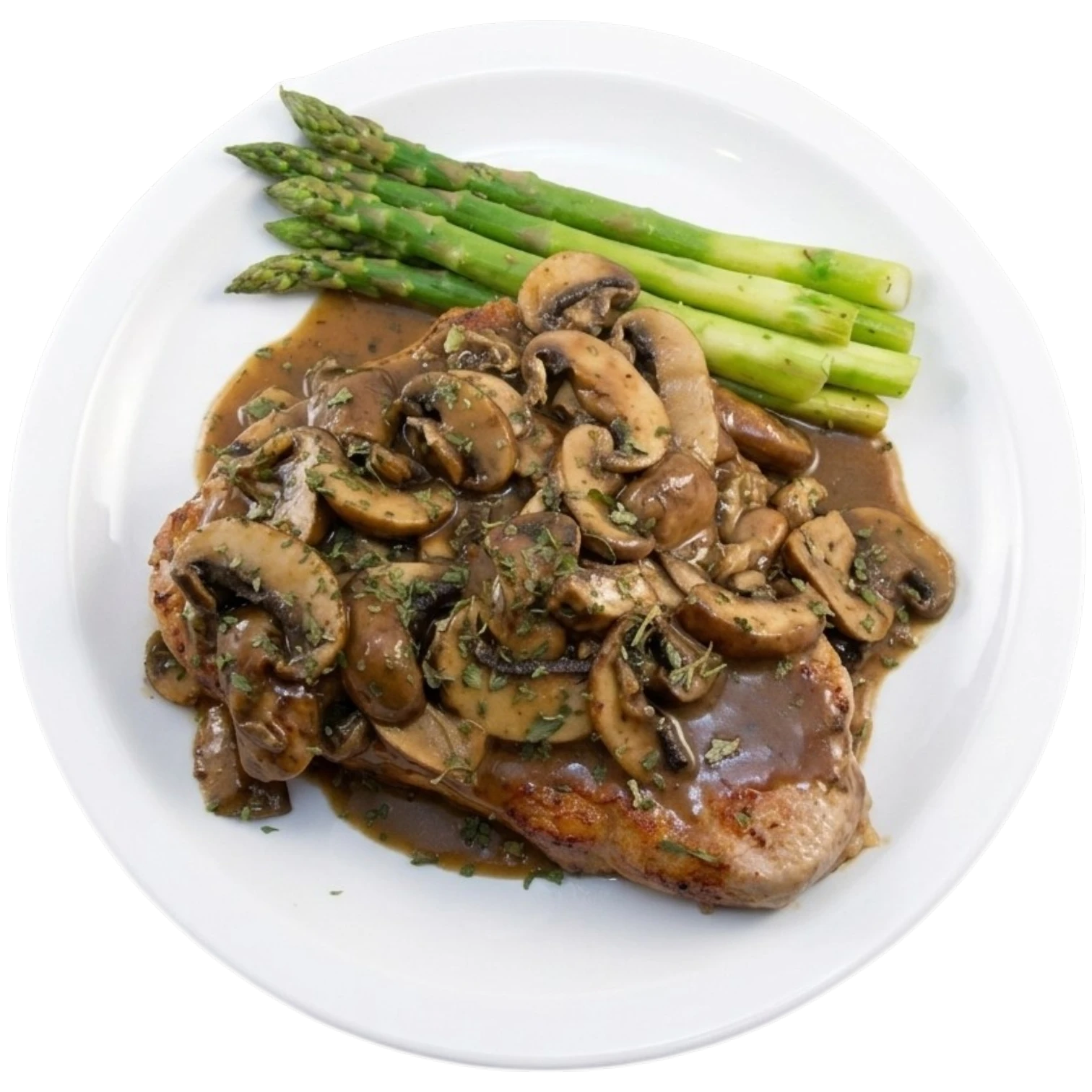
It turned out to be the right bottle for the evening — structured enough to hold its own against the food, polished enough not to demand attention it wasn't owed. Saint-Julien at a good table in Paris 7 is not a difficult argument to make.
Pairs well with