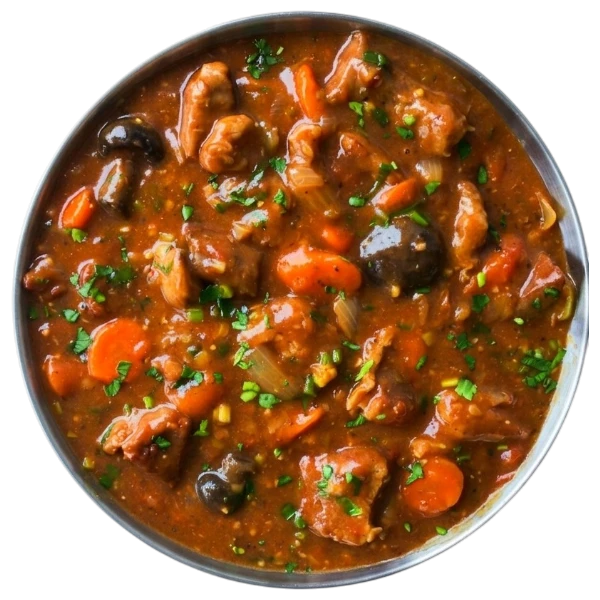
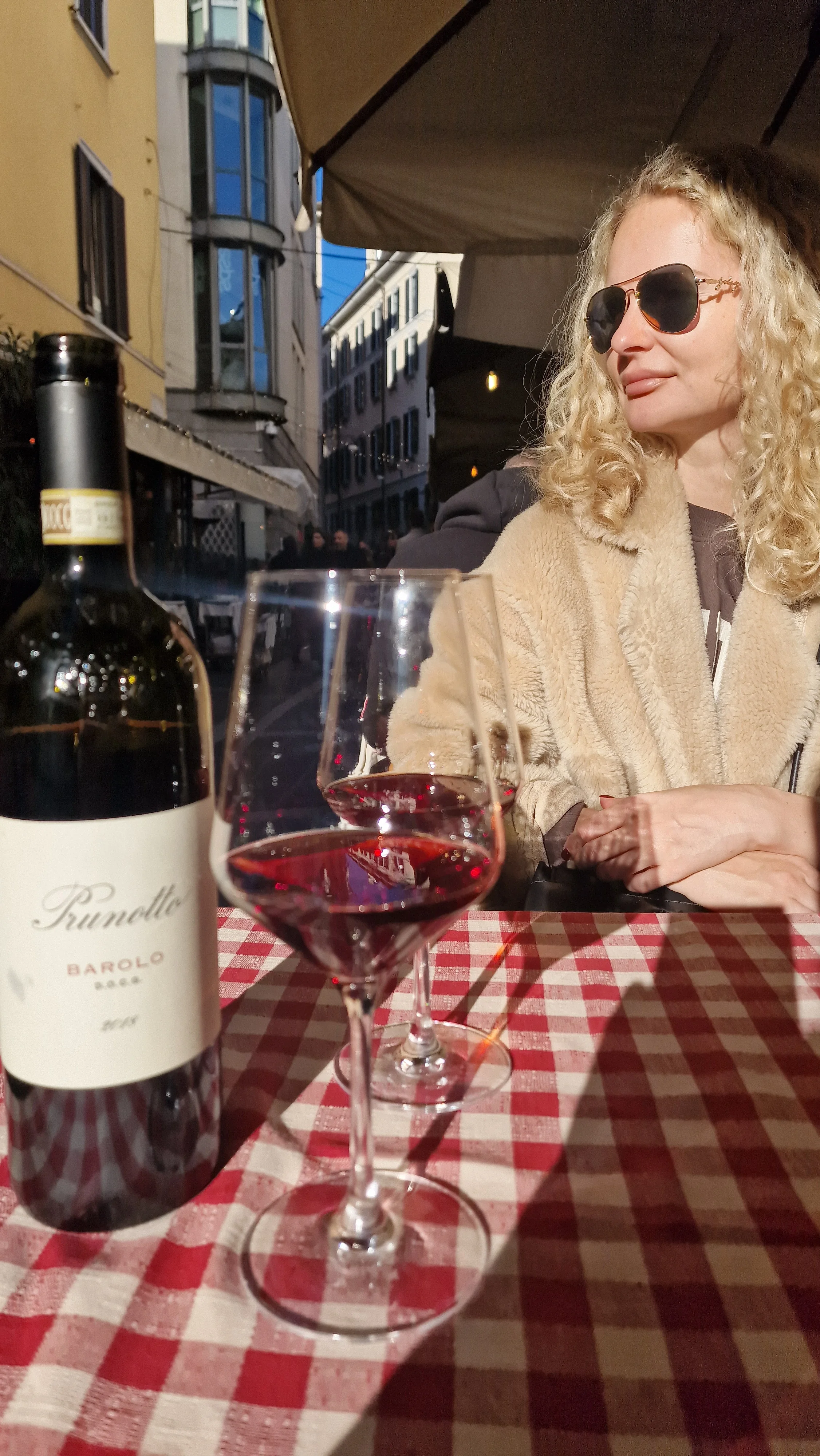
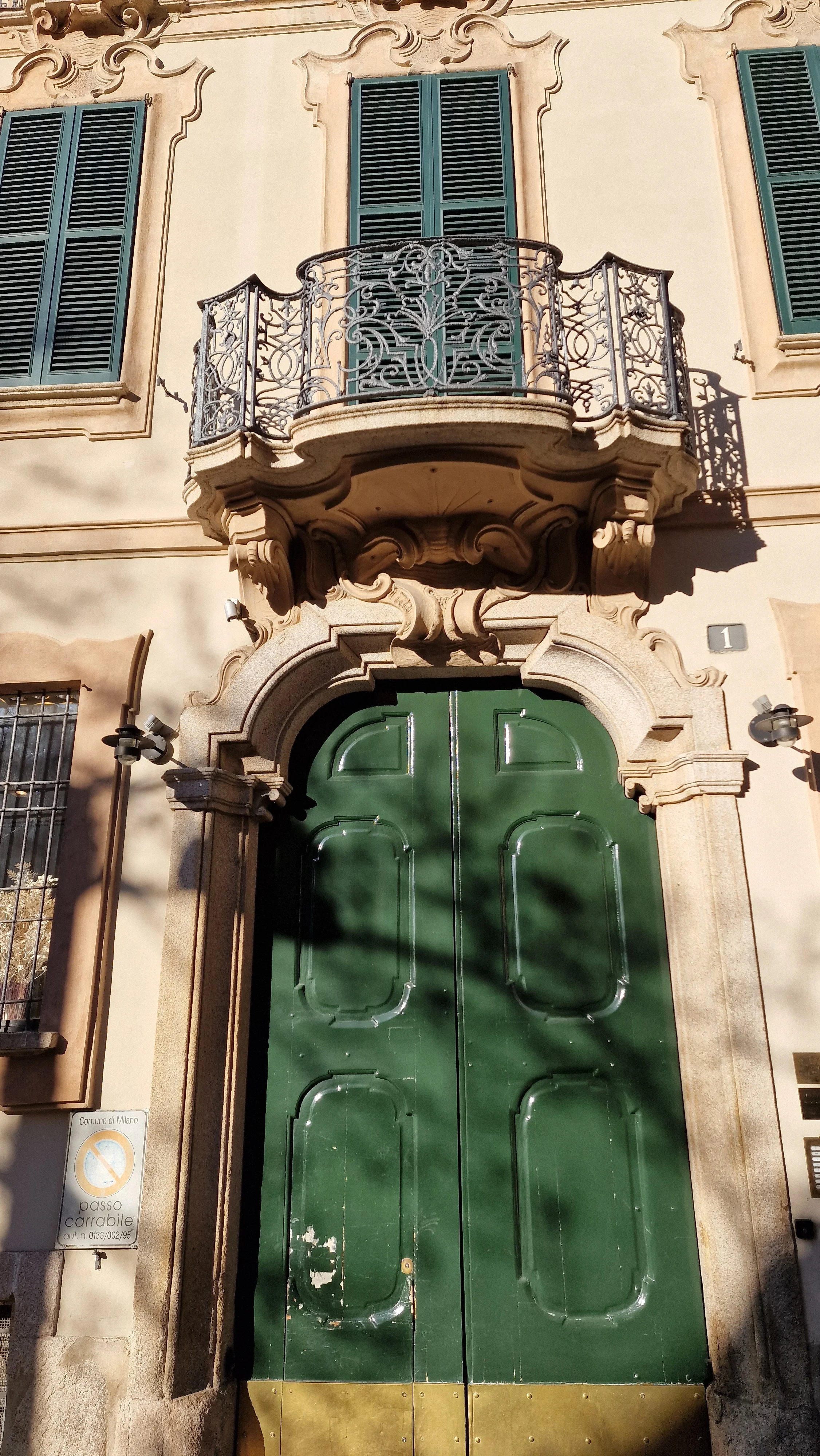
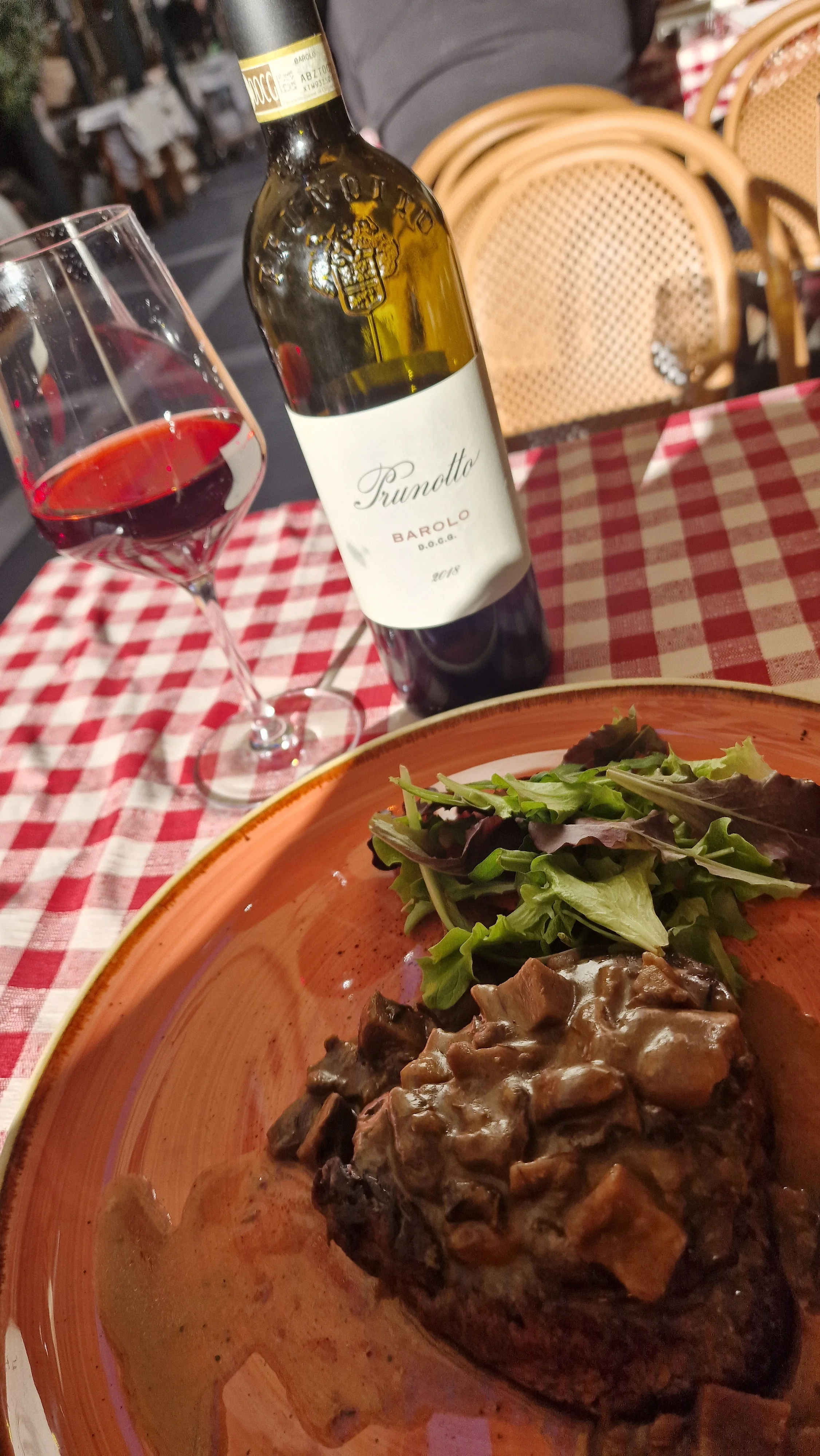
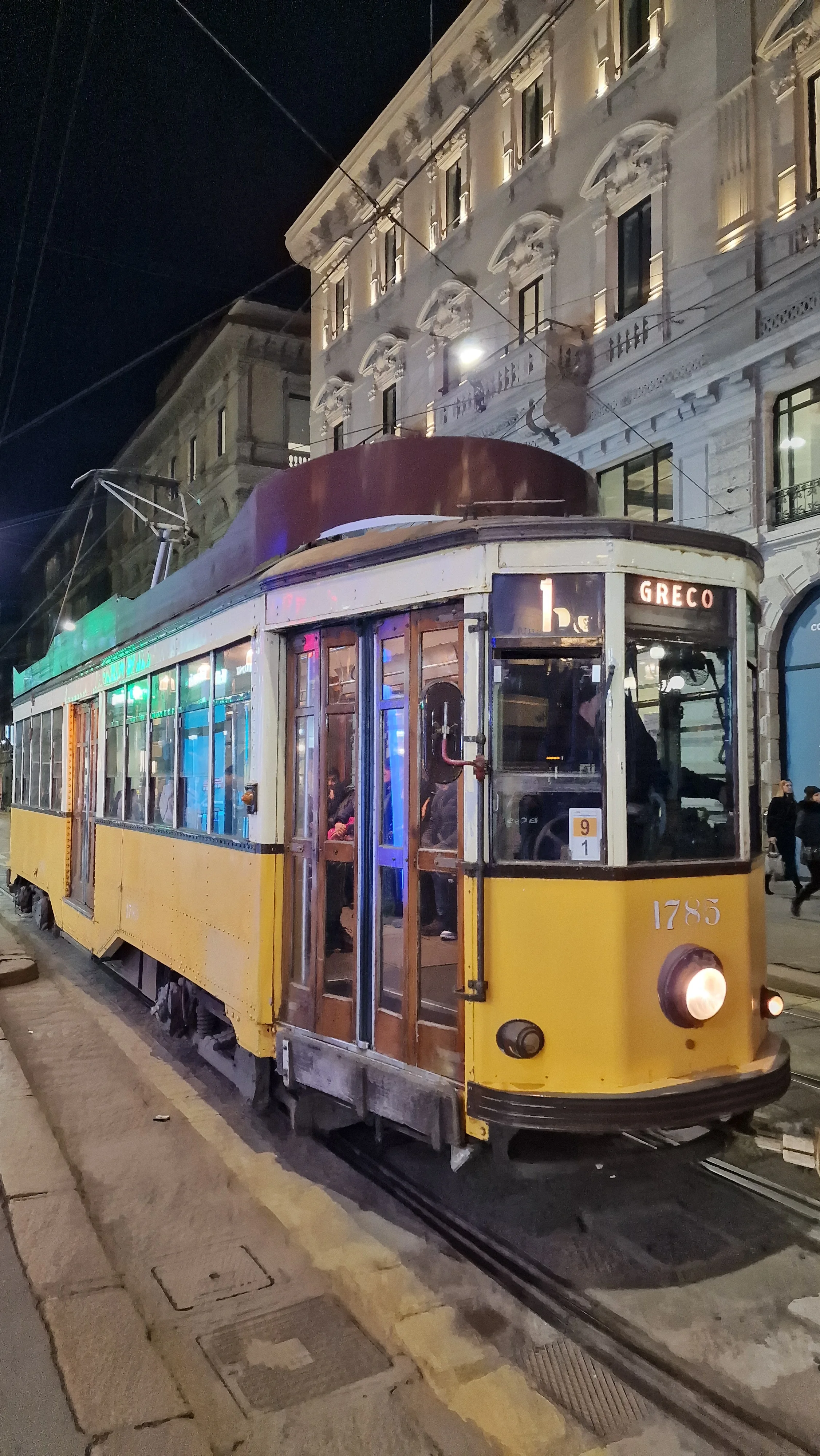
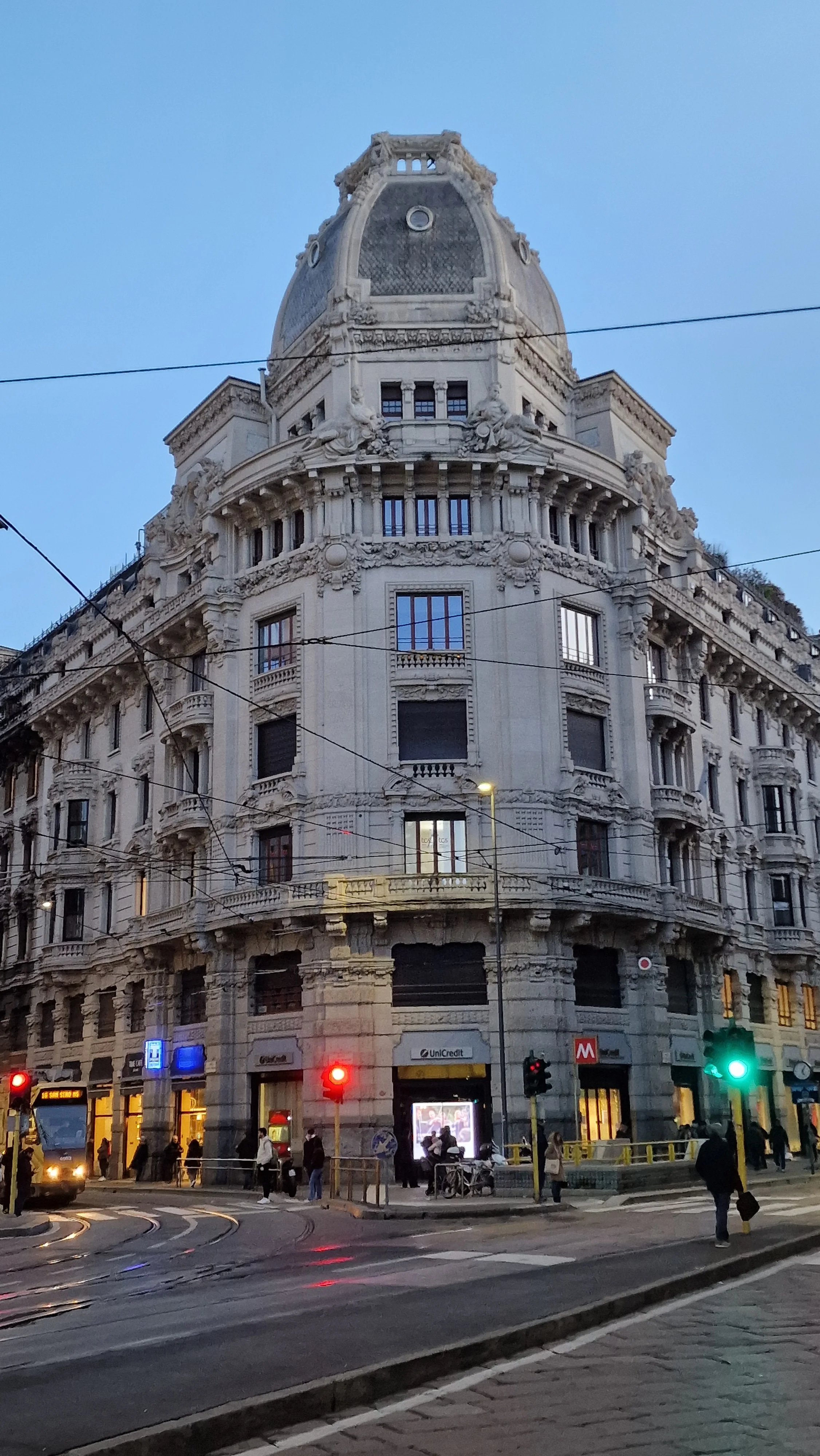
Early January in Milan usually dictates a certain rhythm, mostly centered around escaping the damp cold. We had rung in the New Year in Florence and driven north to stretch out the remainder of the holiday season. It was a lazy, surprisingly sunny afternoon, and we were wandering through the narrow streets of Brera, the city’s historic arts district. We were not looking for a serious lunch, just a place to sit. We dropped into La Taverna del Borgo Antico on a back street called Via Madonnina, taking a red-checkered table outside under the awning. The menu offered a classic veal stew with a rich mushroom cream. Veal stew demands Nebbiolo. The casual afternoon suddenly required a Barolo.
The bottle we ordered was Prunotto’s 2018 Barolo. Prunotto is an old name in Alba, operating under various owners since its founding as a cooperative in 1904, but its modern identity was shaped by an outside force. In 1989, the Antinori family — the historic Tuscan wine dynasty behind Tignanello and Solaia — took over the estate's distribution, assuming full production control in 1994. While much of Barolo’s recent history has been a race toward single-vineyard prestige, this specific bottling goes the other way. It is a classico — a traditional multi-source blend built from grapes gathered across the Barolo zone.
Because it is not tied to a single Menzione Geografica Aggiuntiva — the official Italian term for a designated cru — the terroir of this wine is an argument for the entire appellation. It is designed to assemble the differing geologies of the zone: the softer, perfume-enhancing Tortonian marls of the western communes mixed with the firmer, sandstone-heavy Helvetian soils of the east. The 2018 vintage dictated exactly how that blend would behave. After a wet, prolonged winter and spring that heavily recharged the groundwater, the summer stabilized into a long, measured ripening period. Harvest ran into early October, yielding a vintage defined by fragrance and bright acidity rather than sheer, bruising power. It produced a Barolo that did not require a decade to approach.
That accessibility is also a function of the cellar regime. After a relatively short eight-day maceration on the skins, the élevage — the maturation process — took place over eighteen months in botti. These large traditional oak casks of varying capacities allow the wine to breathe and mature without imposing the vanilla and toast signatures of small, new French barriques. The process integrates Nebbiolo’s naturally aggressive tannins, leaving the focus entirely on the tart cherry, dried rose, and earthy spice that define the variety. The structure remains bone-dry and firm, but the edges are filed down.
Sitting at a cafe table on a Milanese street in the middle of the afternoon, drinking a wine built for dark winter evenings, felt like a deliberate contradiction. The food anchored it. The rich, gelatinous reduction of the veal stew and the earthy weight of the mushrooms absorbed the high tannins of the Barolo perfectly, cutting through the wine's friction.
We sat in the January sun and let the afternoon disappear.
Pairs well with