

My daughter lives in New Zealand, on the South Island. She moved there to study landscape architecture at the University of Lincoln, fell in love with the place, met the love of her life, and decided to stay permanently.
I was once travelling to Auckland — New Zealand's largest city, on the North Island — for business, and she joined me for the weekend. Some quality daddy-and-daughter time.
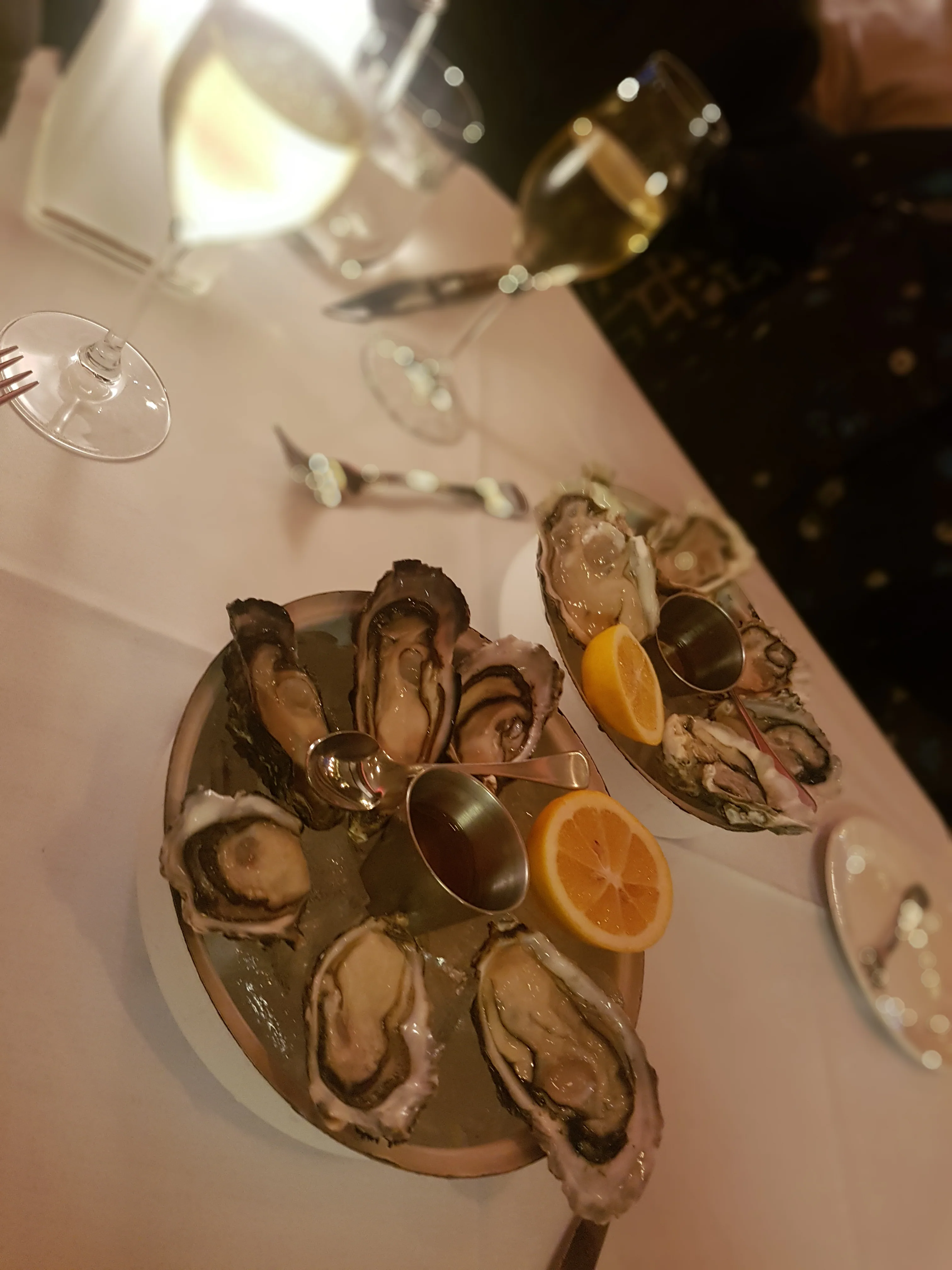
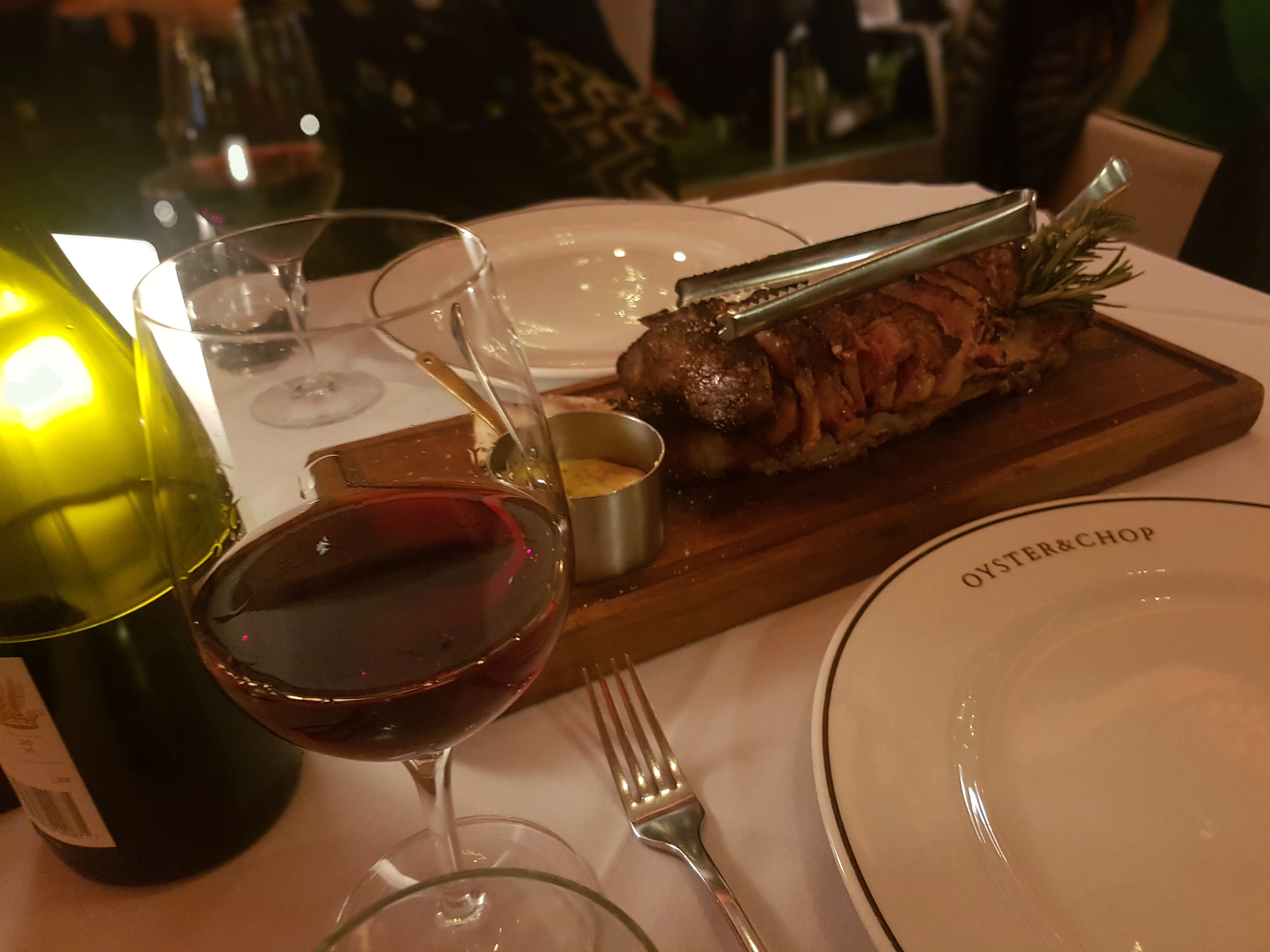
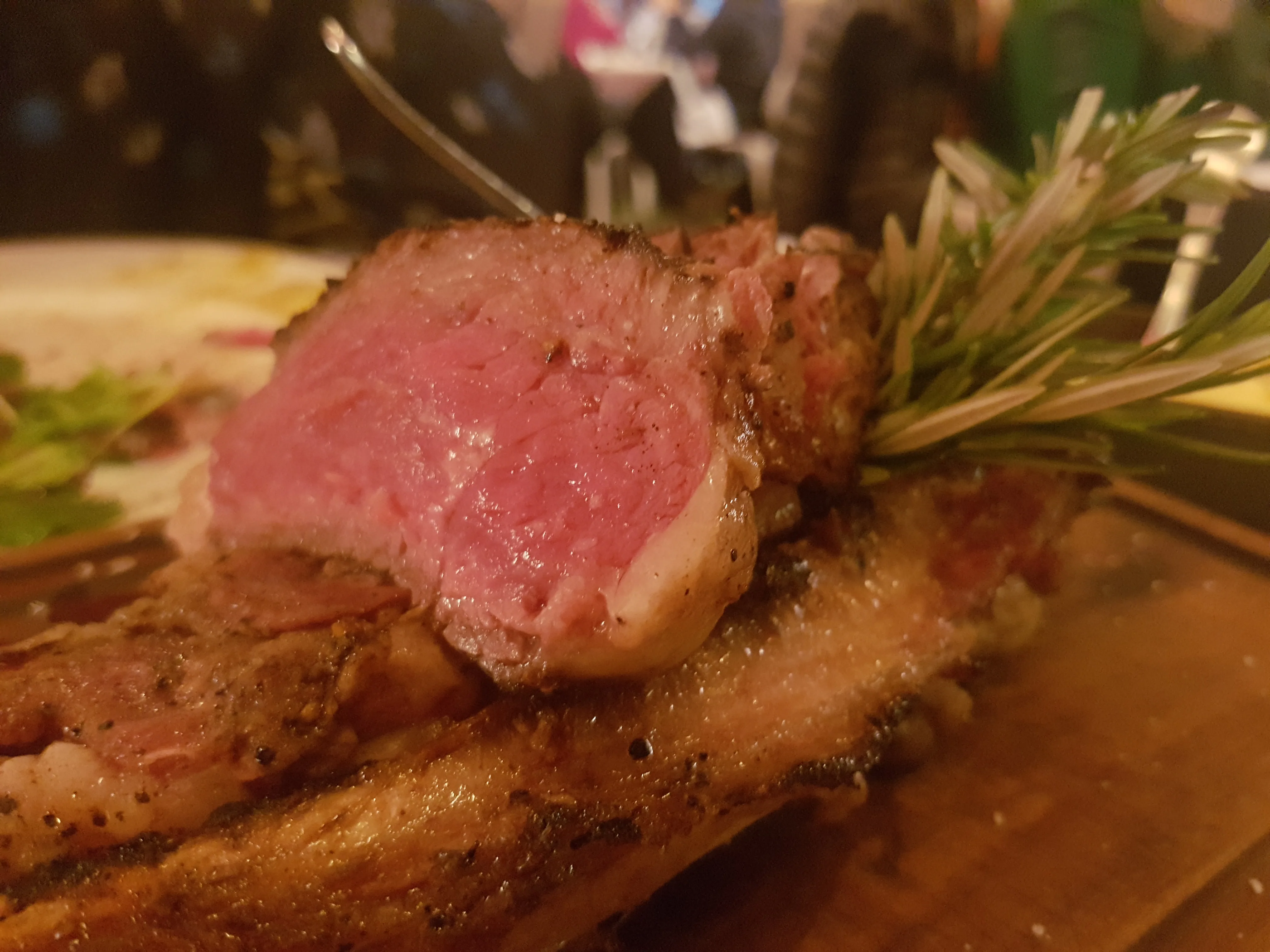
People may like New Zealand — or equally dislike it — for many things: the nature, the fjords, the glaciers, the weather, the five million people and twenty-five million sheep, the absence of wild fauna, the hairpin roads, the kiwi accent, the little sleepy towns. When it comes to food and wine, I love it for exactly three things: Angus steaks from grass-fed cattle, with that clean, unambiguous beef-forward character; Bluff oysters, wild, dense, and impossibly creamy; and Pinot Noir — specifically, Pinot Noir that is not from Marlborough.
Don't get me wrong. Marlborough Pinot can be perfectly enjoyable. But the region built its global reputation on Sauvignon Blanc, and everything else followed in its slipstream. There are other regions producing Pinot Noir worth serious attention — Central Otago, Nelson, Martinborough among them. And as it happened, that is exactly what we were drinking — at a place called, naturally, Oyster & Chop in Viaduct Harbour.
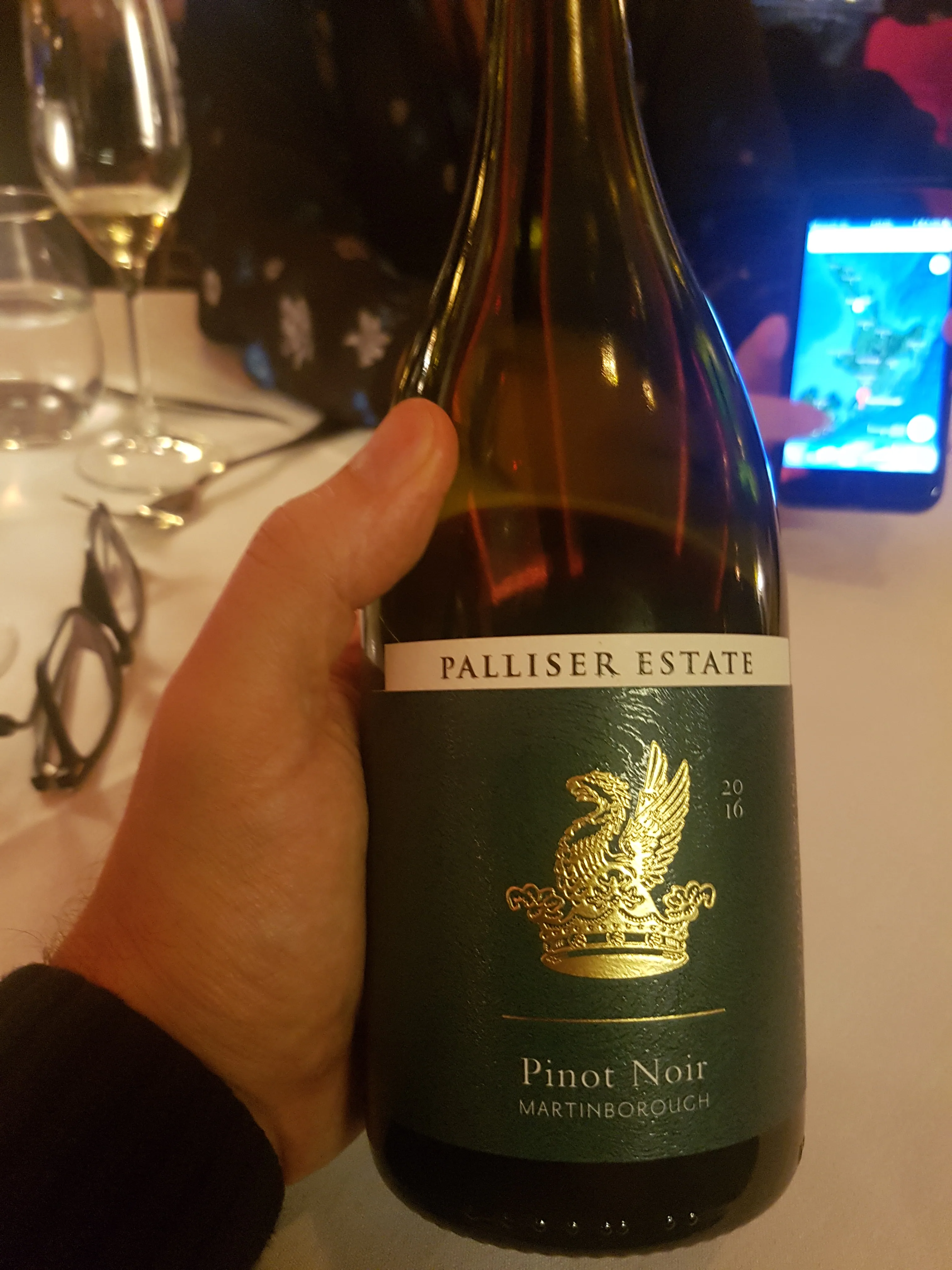
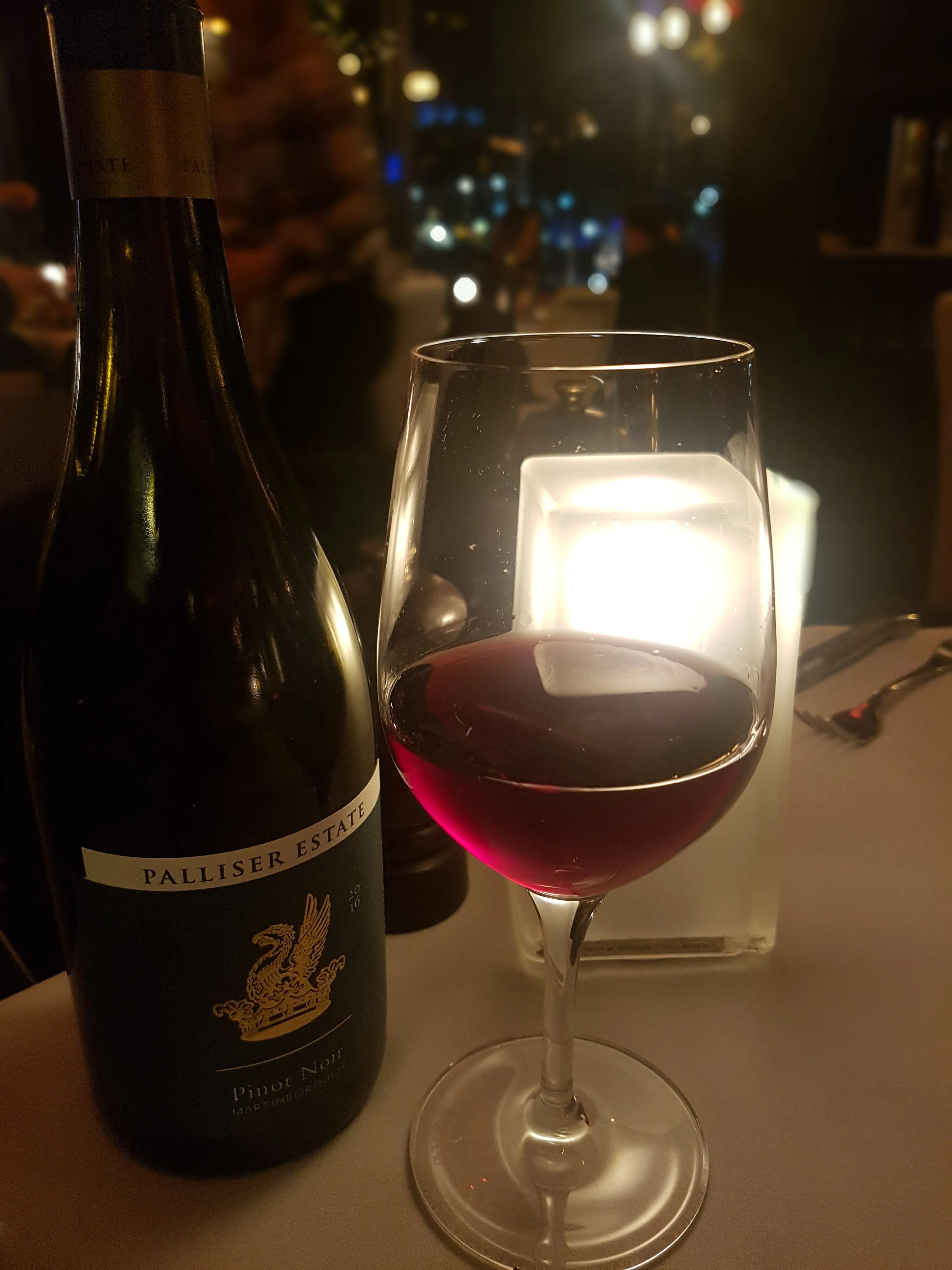
We chose a Pinot Noir from Wairarapa, specifically from Martinborough. Where Marlborough Pinot tends toward the lighter, more fruit-forward end of the spectrum — charming, but rarely demanding your full attention — Martinborough plays a different game: darker fruit, a savoury edge, real depth on entry, and tannins that are long and fine rather than merely soft. The region earns this through a long growing season, a dry autumn, persistent natural breezes, and free-draining alluvial terrace soils that push vines toward lower yields and genuine concentration.
What we found in the bottle was exactly that. The Palliser Estate Pinot Noir 2016 delivered precisely what the terroir promises — a multi-vineyard estate blend drawing from three of Palliser's sites: Wharekauhau for structural backbone and dark fruit intensity, East Base for mid-palate roundness, Clouston for the floral lift that makes the nose so layered. Crafted with 3% whole bunches, aged 14 months in 30% new French oak.
Paired with Bluff oysters to start and a grass-fed Angus steak to follow, in the company of my daughter on a weekend stolen from a business trip — this was one of those meals where everything simply aligns.
Pairs well with