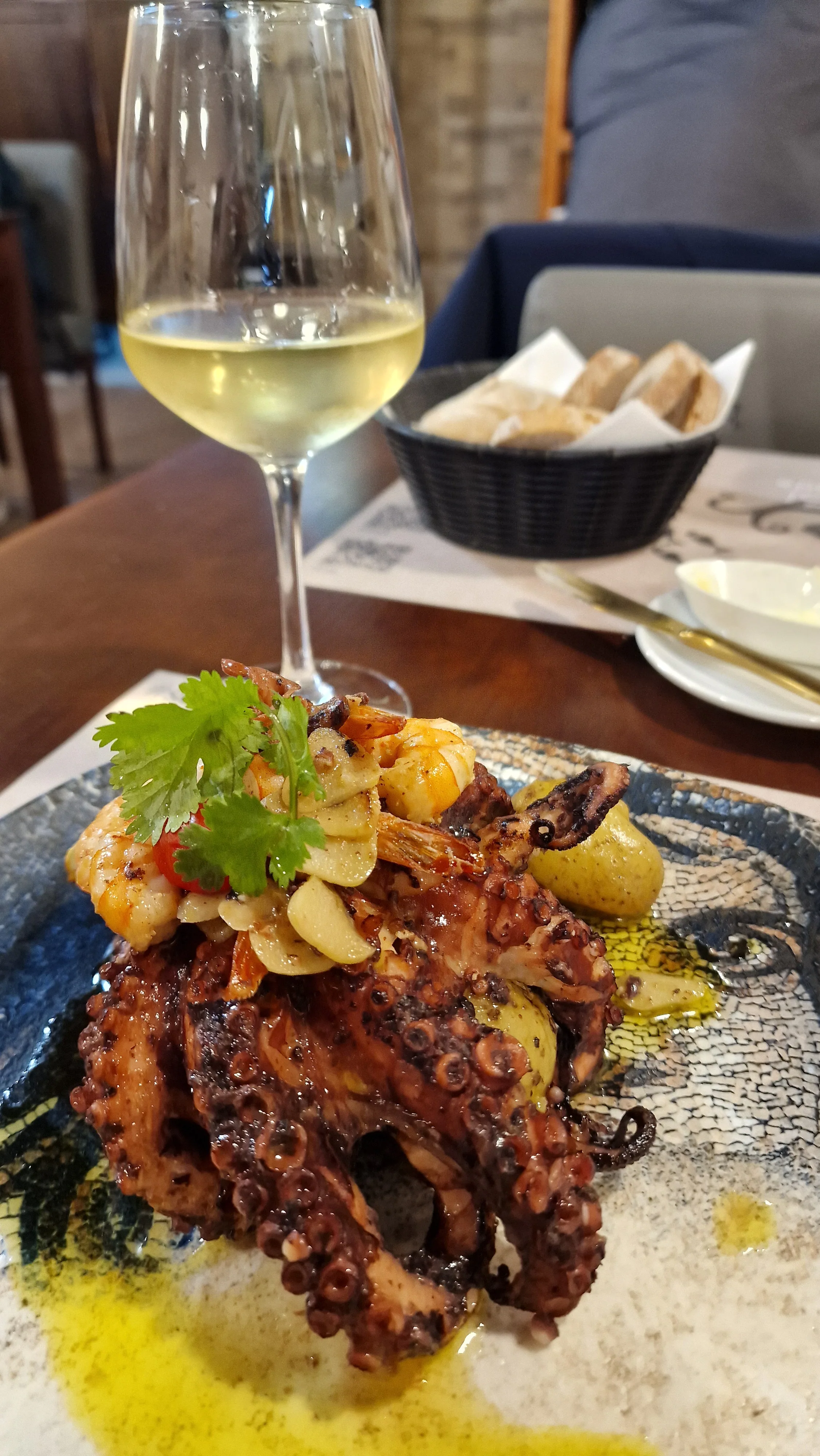
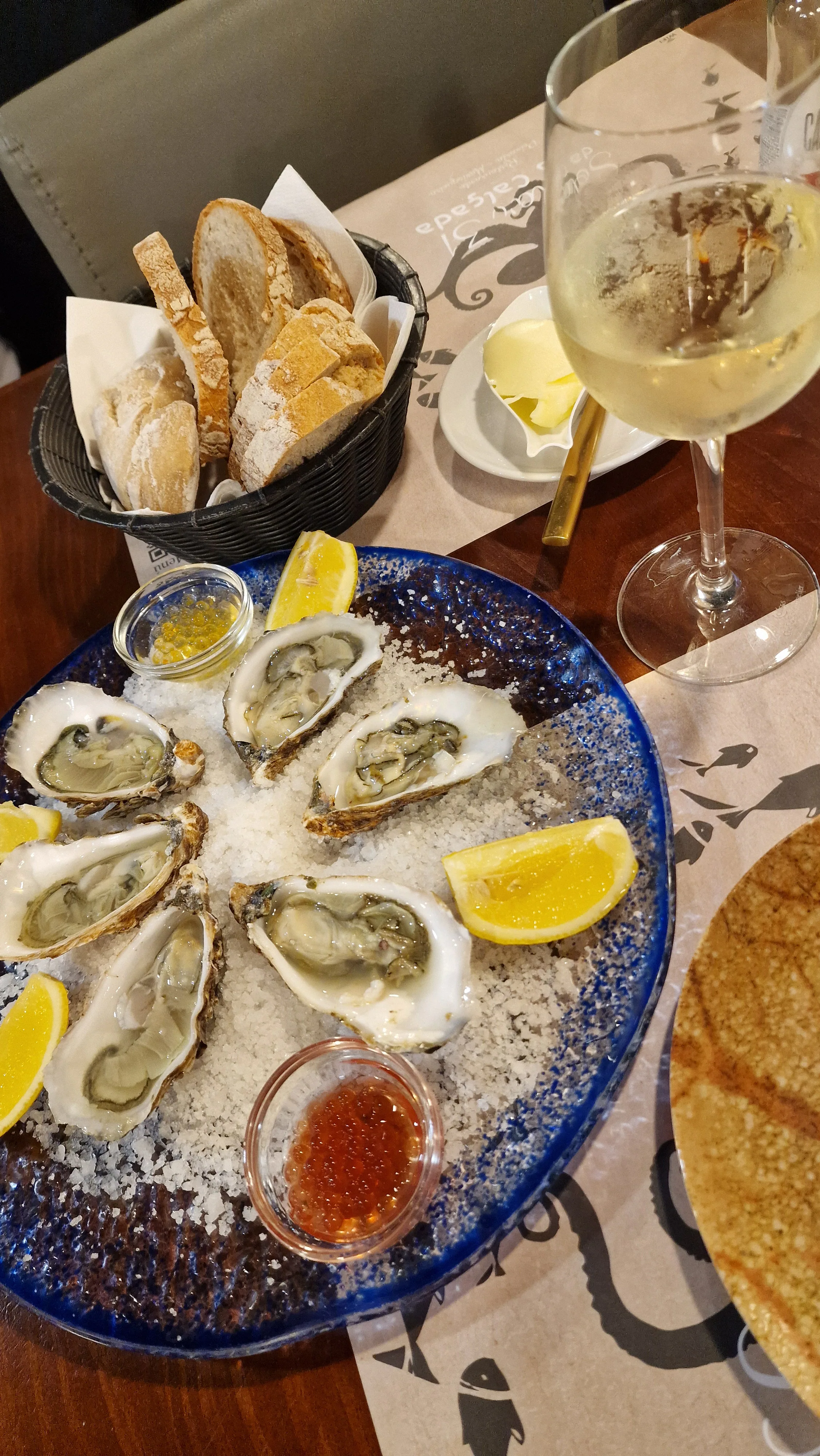
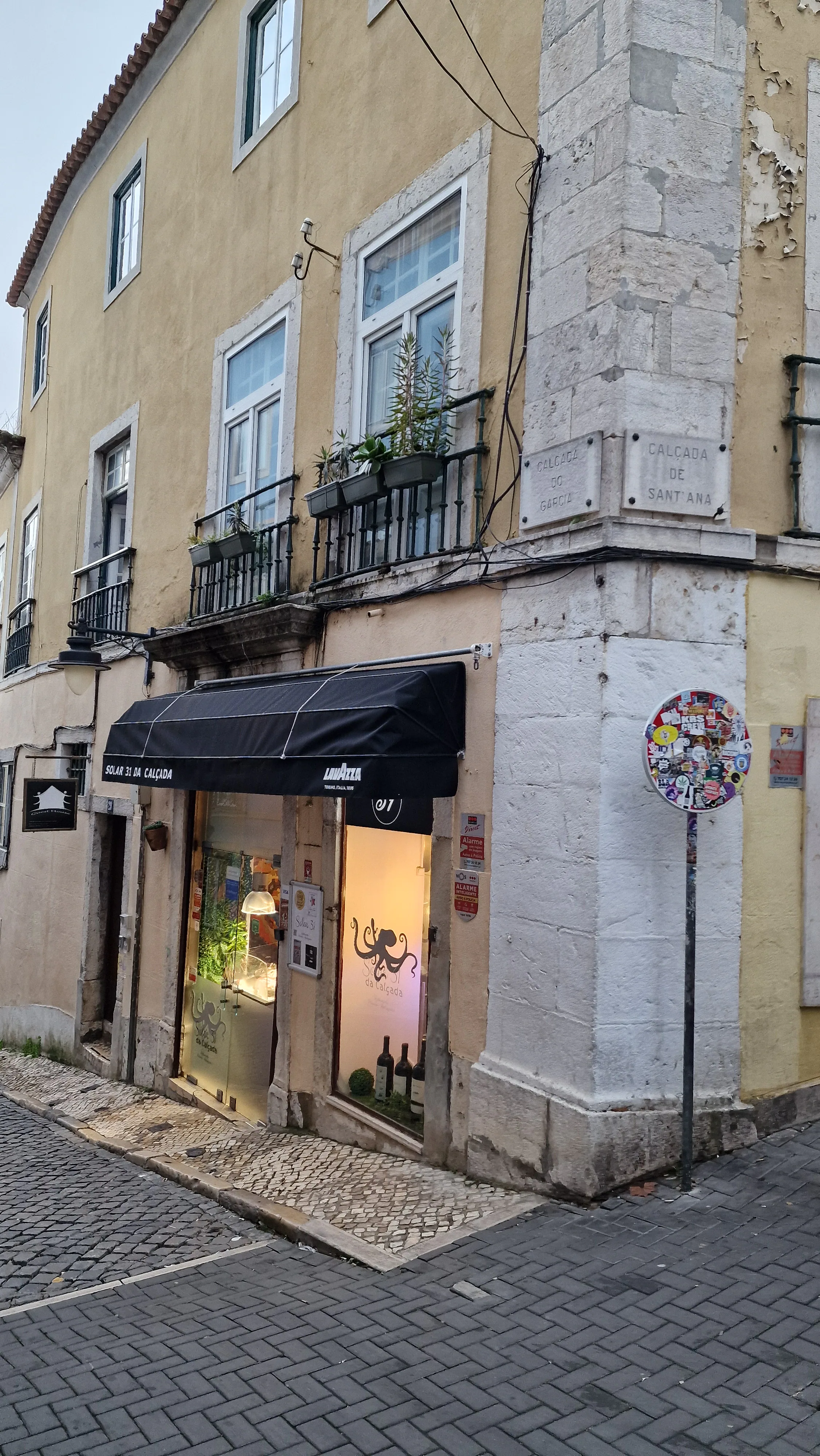
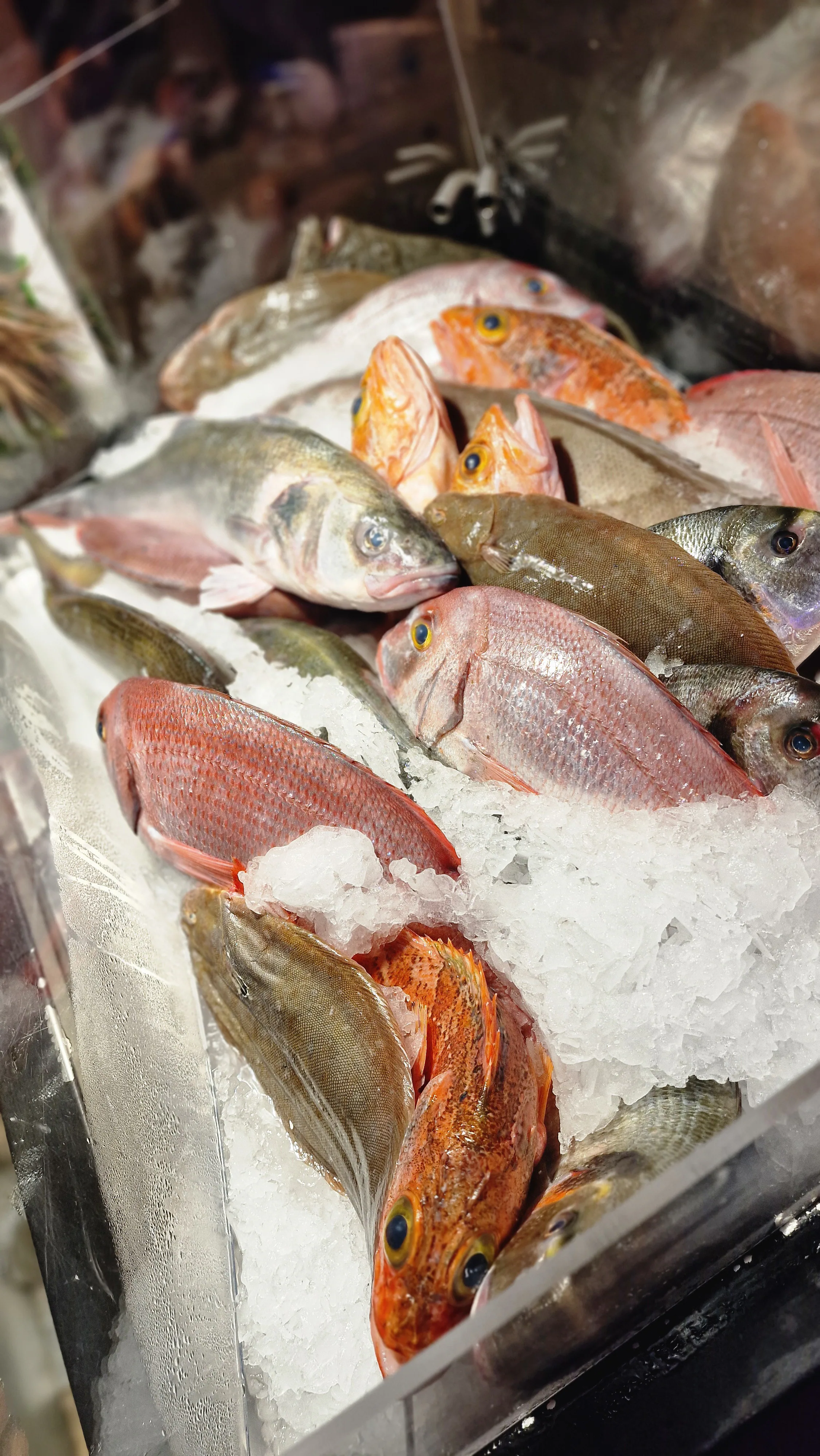
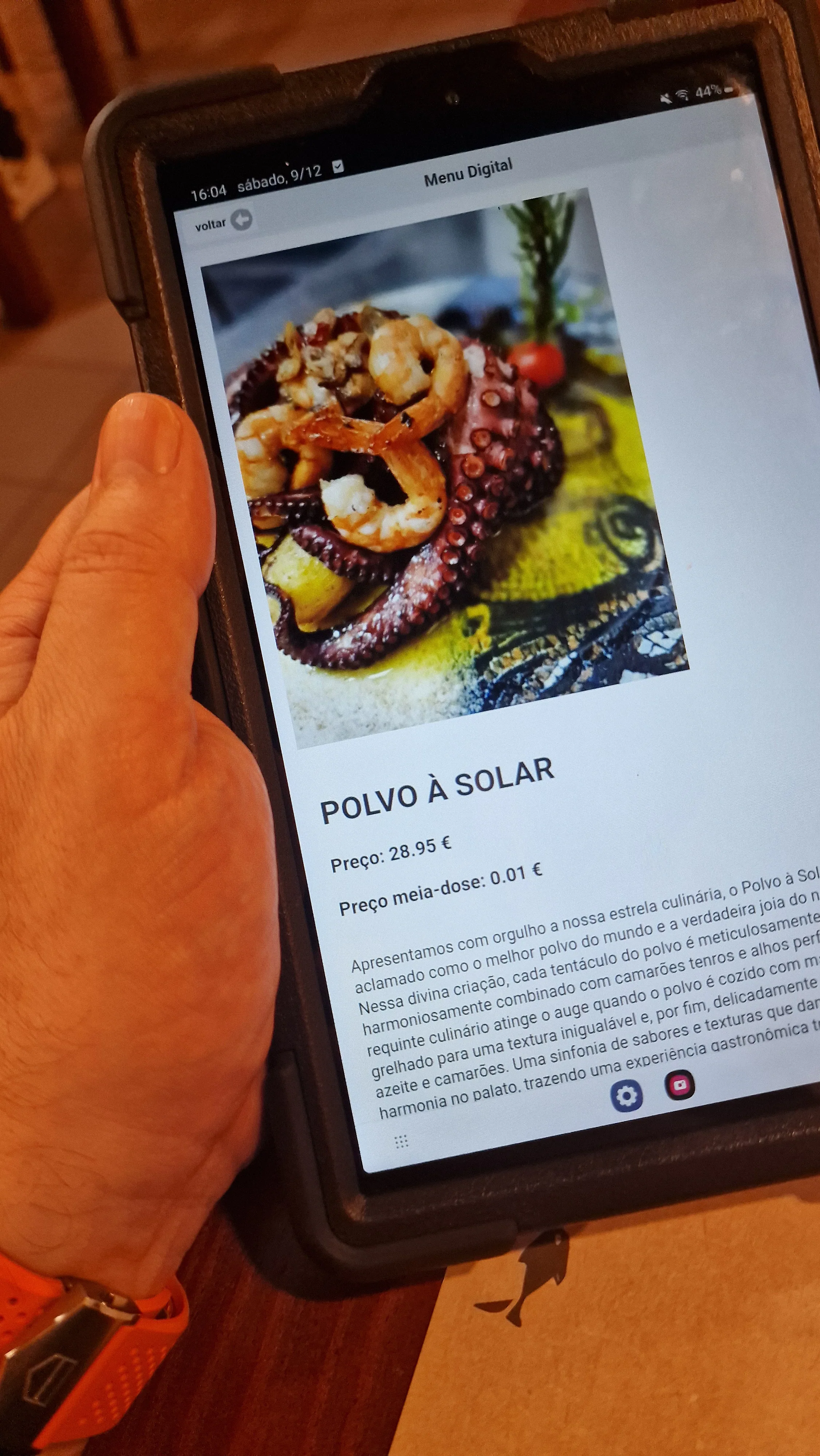
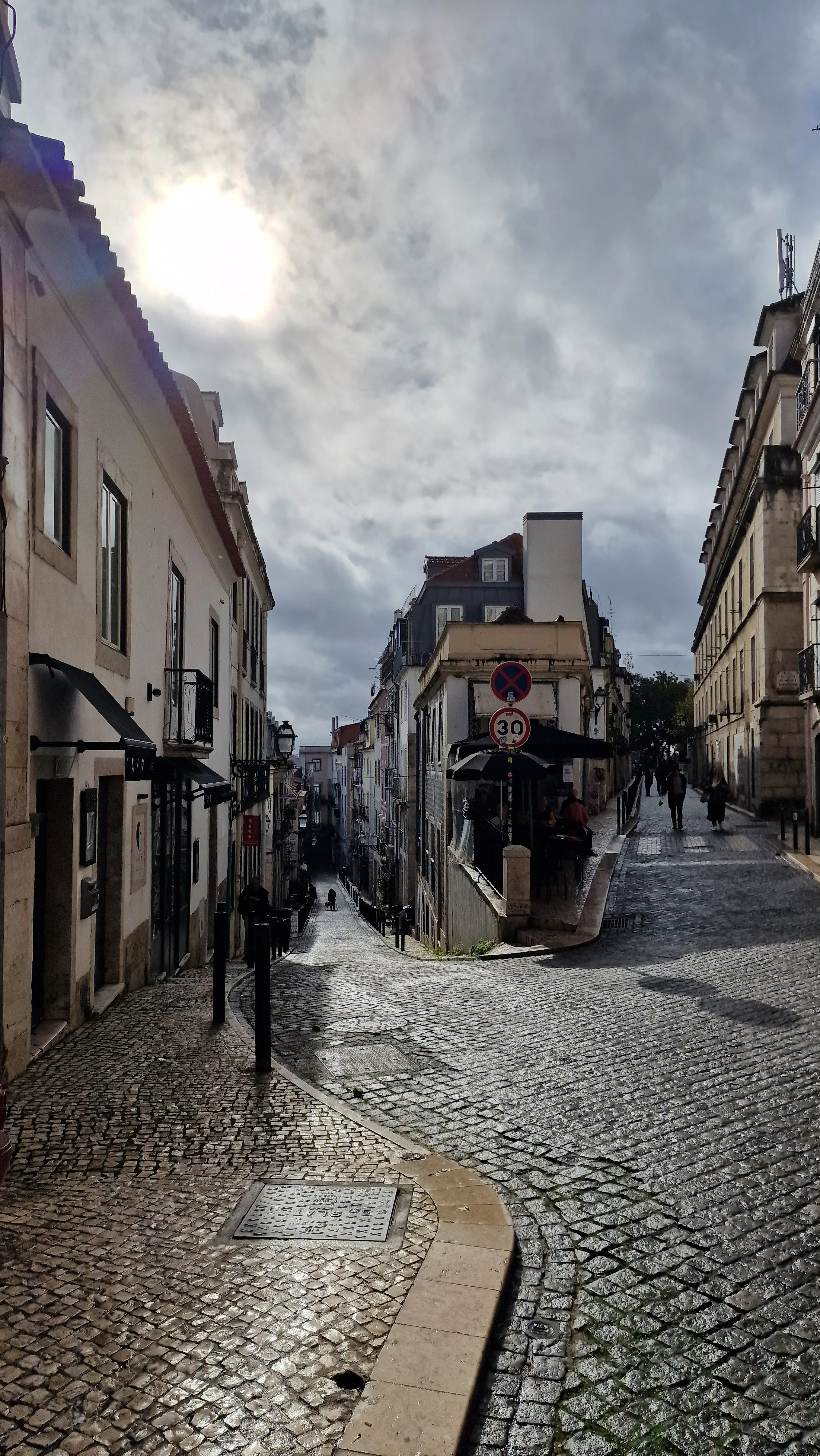
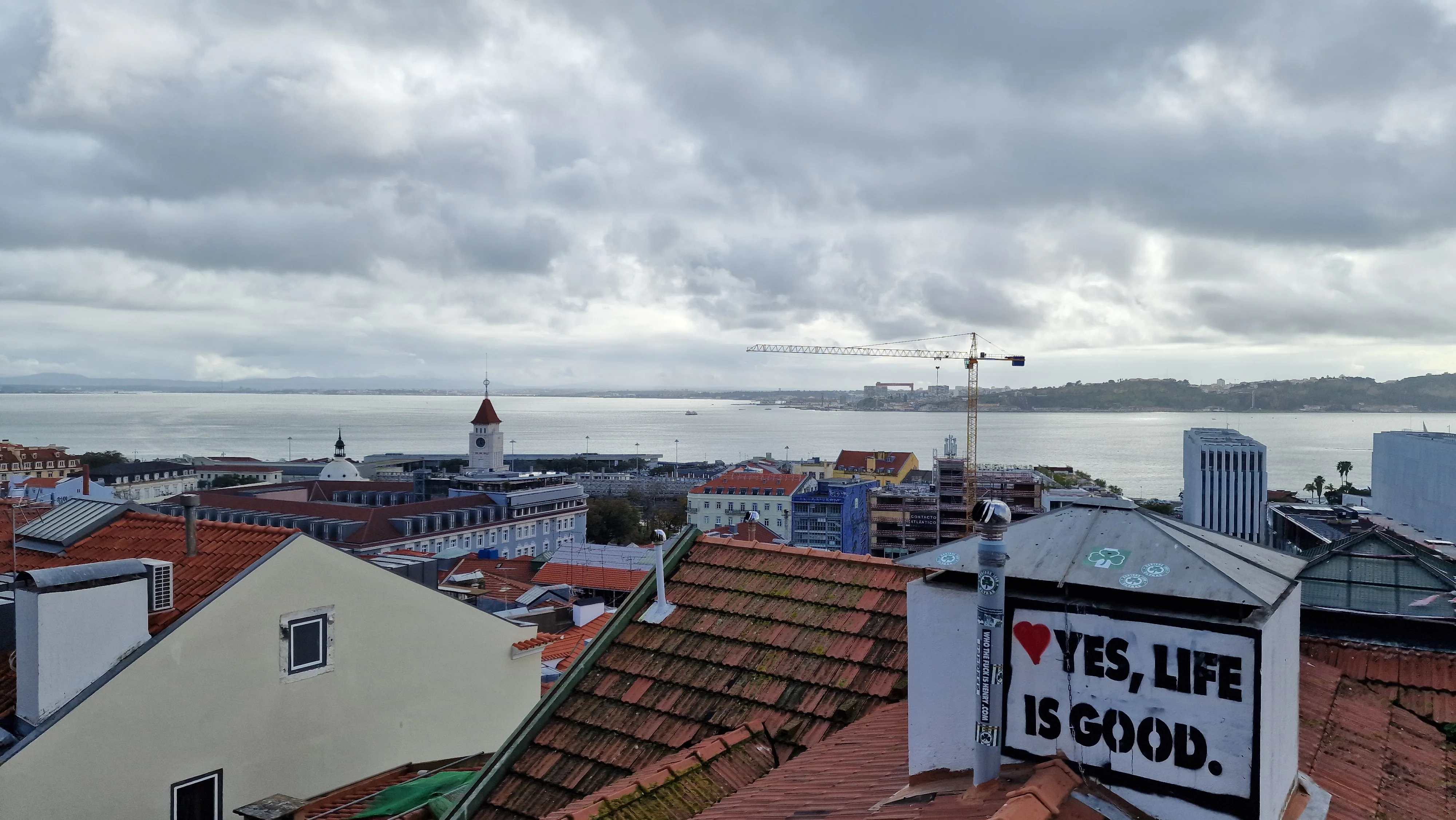
Lisbon is a city of steep hills and cobbled intersections, and finding a proper marisqueira usually requires stepping away from the polished avenues. I found myself at Solar 31 da Calçada — an unassuming seafood spot tucked away on a corner off Calçada de Sant'Ana, with a display of fresh fish on ice greeting you at the door — based on a recommendation from my fiancée. She had eaten there before and knew exactly how my weakness for raw oysters and whole grilled octopus would dictate the evening after a draining day of business meetings. It is a cozy, welcoming space where the seafood is treated with serious respect, and the focus is entirely on what was just pulled from the Atlantic. The setup demanded a serious white.
Portugal organizes its wine hierarchy around 31 Denominações de Origem Controlada — DOCs — the highest classification tier in the country, sitting above the broader regional IGPs. The vast Vinho Verde DOC in the northwest is the largest of these appellations, yet it is often misunderstood internationally as a monolith producing cheap, spritzy, low-alcohol whites meant for unthinking consumption. The reality shifts entirely in the sub-region of Monção e Melgaço — an amphitheatre sheltered from direct Atlantic influence, defined by warmer summers and significant diurnal temperature swings. Here, the soils are predominantly granitic, occasionally veined with clay-limestone, forcing the roots to dig deep for moisture and lending the resulting wines a distinct structural tension. This specific microclimate allows the indigenous Alvarinho grape to reach full phenolic ripeness while retaining its piercing, natural acidity. It is the geographic counterpoint to the softer Rías Baixas across the Spanish border.
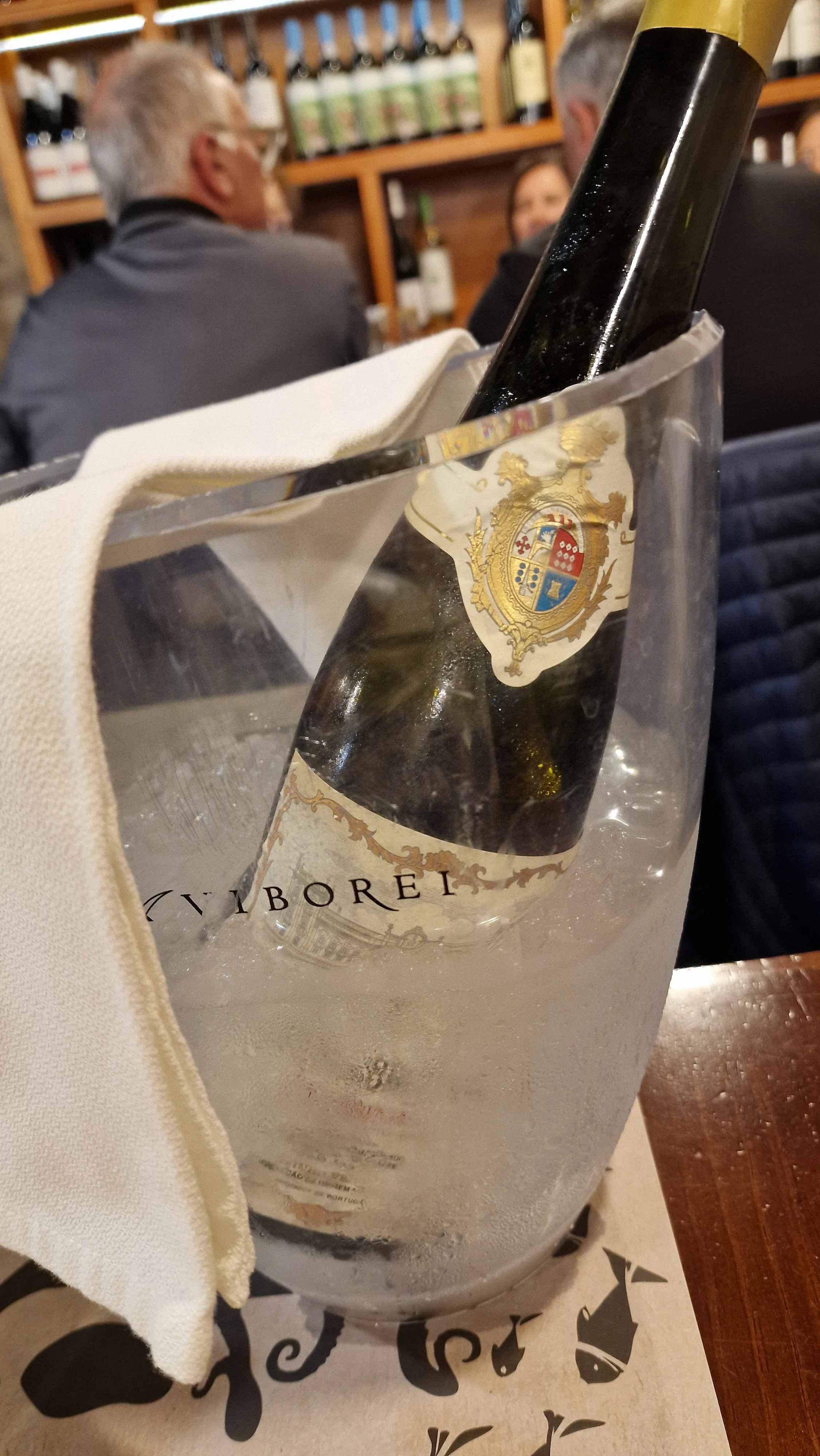
At the centre of this sub-region stands Palácio da Brejoeira — a grand neoclassical estate completed in 1834, originally built to project aristocratic wealth. Its transformation into a wine icon occurred much later, when the Lisbon industrialist Francisco de Oliveira Paes purchased the property in 1937 as an extravagant eighteenth-birthday gift for his daughter, Maria Hermínia. She eventually took full control of the estate and made the decisive move to plant eighteen hectares of pure Alvarinho vines directly around the palace. When the first Palácio da Brejoeira vintage was released in 1976, it effectively established the blueprint for premium Vinho Verde, proving the grape could produce serious, terroir-driven wine capable of aging. The estate continues to operate on that uncompromising foundational vision, refusing to blend for volume in favour of a strict single-varietal, estate-grown bottling. By prioritising fine-lees ageing and low residual sugar, the house pushes the wine firmly into gastronomic territory. This is not a patio wine.
The 2021 vintage in northern Portugal was defined by a cooler, more erratic growing season than the sun-baked 2020, with a wet spring slowing the vine cycle before a dry, stable autumn allowed for a long, slow ripening period. This produced a highly classical expression of Monção e Melgaço Alvarinho — achieving full phenolic maturity without spiking sugar levels, resulting in lower alcohol, piercing natural acidity, and a profile leaning toward citrus and mineral tension rather than tropical weight. João Garrido - the estate's winemaker - anchors his approach in this natural acidity, stripping away commercial Vinho Verde stereotypes to produce a completely still, bone-dry wine. By relying on extended contact with fine lees and bâtonnage rather than oak or residual sugar, he builds a round, medium-full texture, deliberately crafting a wine with the structural authority to evolve in the cellar for five to ten years.
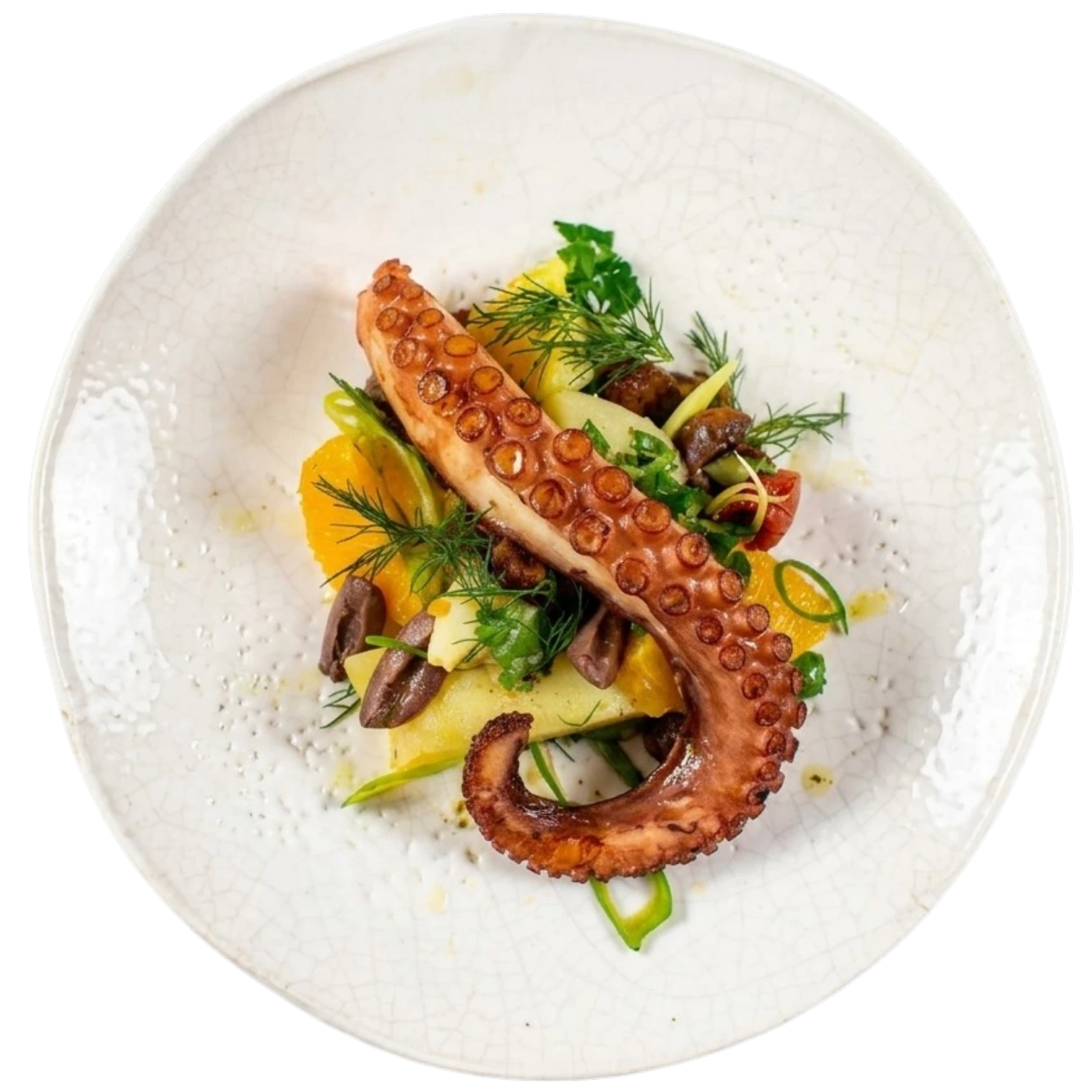
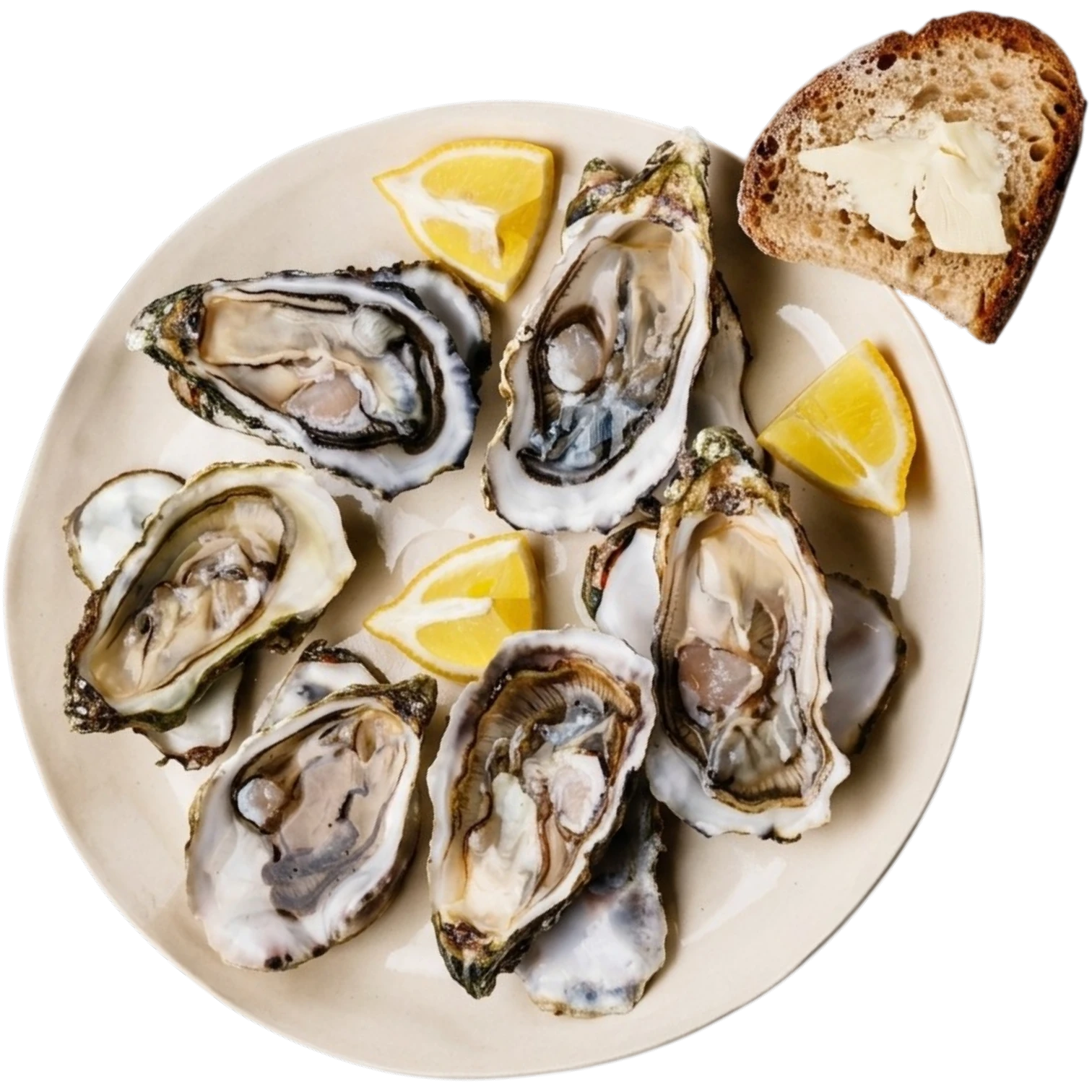
I have always maintained a quiet fascination with this grape — specifically the ongoing exercise of comparing the Spanish Albariños against the Portuguese Alvarinhos. This dinner presented a situation to test that preference in a natural environment — in Alvarinho's home country, with half a dozen raw oysters on rock salt and a heavy tentacle of grilled octopus dripping in olive oil and roasted garlic. It was exactly the kind of pairing this wine was built to handle.
Pairs well with