Piedmont played a key role for Napoleon in his campaigns: it was a gateway to northern Italy and a bridgehead from which he operated against Austria. The irony is that the birth of Barolo wine, the way we know it today, is directly related to the fact that Piedmont was part of Napoleon's empire for a short period of time — and it is exactly this winery, Cantine Marchesi di Barolo, that gave birth to it.
At that time, the wine produced in the region was sweet or semi-sweet and oftentimes spritzy. Not on purpose: that was a direct consequence of the weather conditions. Nebbiolo, the region's signature grape, ripens late, harvest ran into cold weather, and the yeast simply did not have enough time, before falling asleep for the winter, to process all the sugar into alcohol, so the residual sugar level remained high. In addition, when spring came, the yeast woke up and launched secondary fermentation, making the wine spritzy.
It was in 1806 when Carlo Tancredi Falletti di Barolo, a Piedmontese nobleman who served as a Guard of Honour to Napoleon Bonaparte — a direct consequence of France annexing Piedmont in 1796 — married the French aristocrat Juliette Victorienne Françoise Colbert. After the fall of Napoleon's rule in 1814, the couple moved back to Turin, where Juliette became known as Giulia Falletti di Barolo, Marchesa di Barolo. She got actively engaged in running the Barolo estate, and it is credited to her that the transformation of Barolo as a wine style is attributed. Under her patronage, and with the decisive contribution of Louis Oudart — a French-born négociant and oenologist who had settled in Piedmont and whose technical expertise proved instrumental in reshaping the region's winemaking — cellar practice was overhauled in the 1840s and 1850s: fermentation was extended, the wine was allowed to complete fully dry, and the first still, age-worthy Barolo as we know it today was born. The winery took its modern form after the Abbona family acquired it in 1929.
Today, the appellation — Barolo DOCG — includes 11 communes, among them the comune di Barolo itself, and 170 named crus, or MGAs — Menzioni Geografiche Aggiuntive.
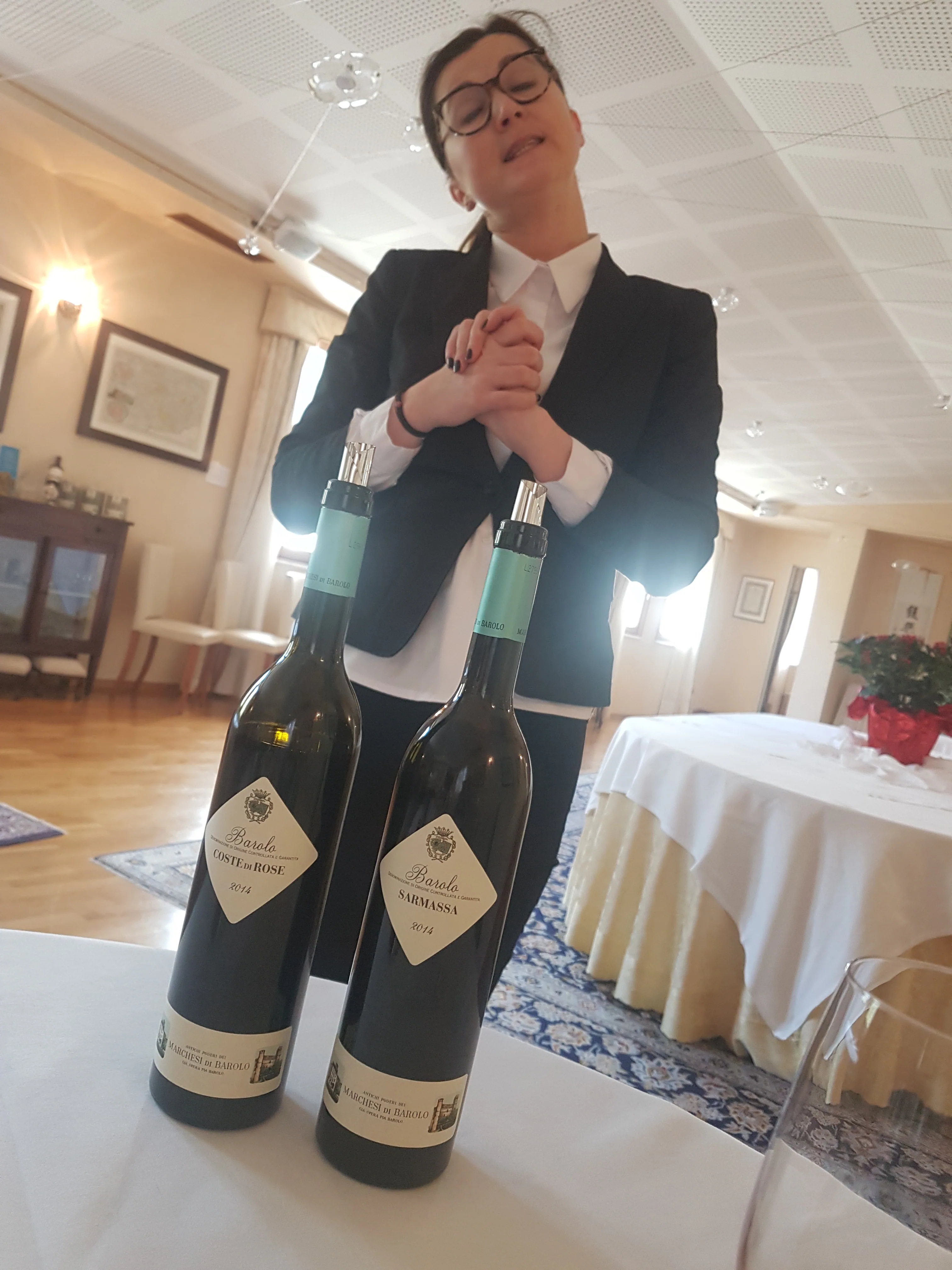
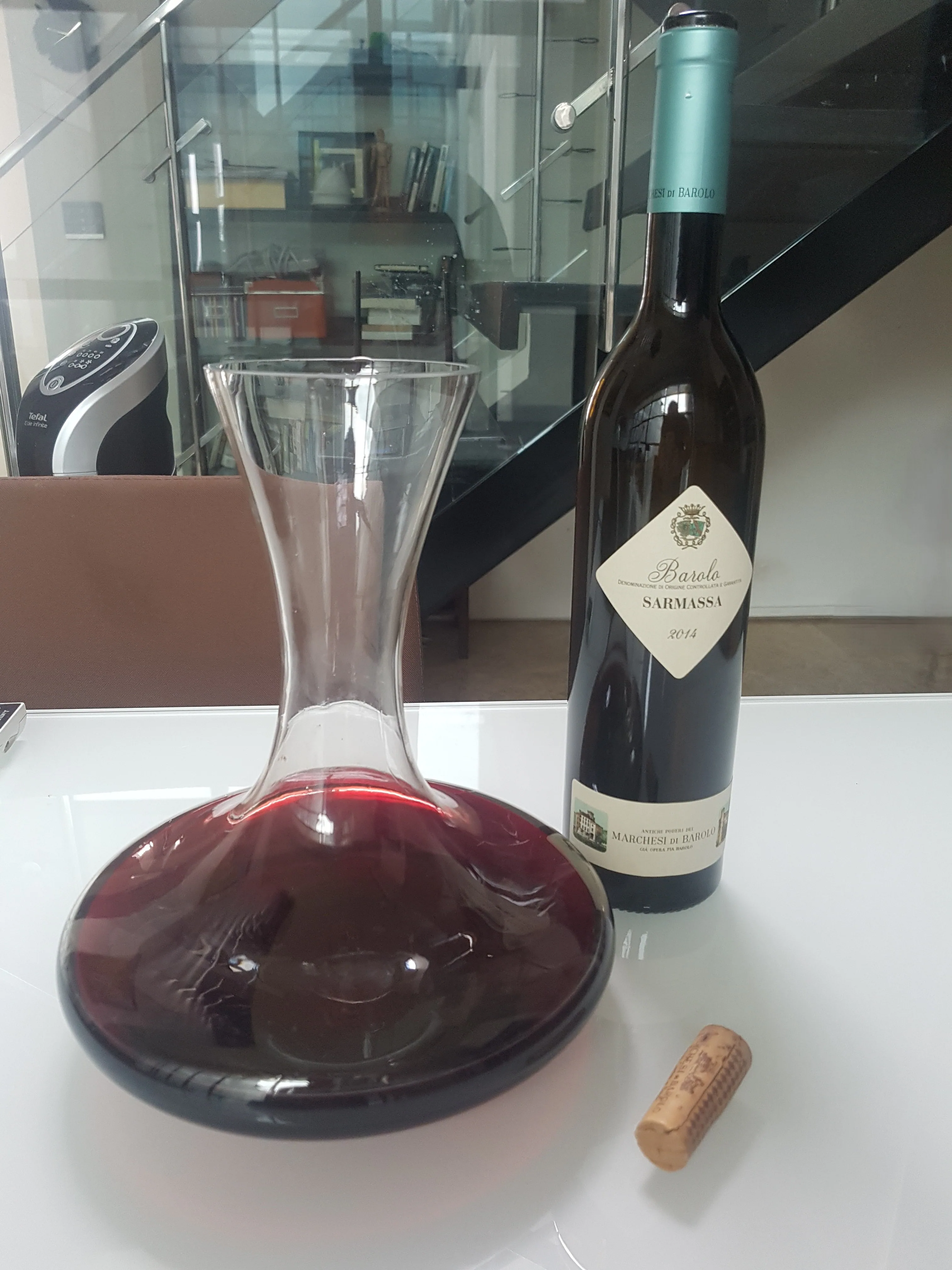
Marchesi di Barolo's three historic cru Barolos — Cannubi, Sarmassa and Coste di Rose — differ in clearly distinct site conditions. Cannubi, one of Barolo's most celebrated vineyards, lies on a central ridge where Serravallian and Tortonian formations meet, with clay-limestone soils rich in Sant'Agata Fossili marl. Sarmassa, on a south-east-facing slope, is rooted in more compact Tortonian calcareous clay with a higher content of gravel and stones. Coste di Rose, fully east-facing and planted on a sharply inclined slope of around 40%, is defined by sandier Sant'Agata Fossili marl, with a higher proportion of quartz sand and very fine silt. At the tasting, Sarmassa and Coste di Rose are poured side by side because they offer the clearest contrast within the range: Sarmassa shows the firmer, more structured and more tannic face of Barolo, while Coste di Rose, from its steep east-facing slope and sandier soils, expresses a more lifted, aromatic and refined profile. When I tasted them at the winery, my choice was Sarmassa — the more serious and tightly built of the two, with greater depth and authority. The cooler, wetter 2014 growing season gave it a fresher, more lifted profile than in warmer vintages, with less weight and more tension, precision and classical balance.
This is the story of Antiche Cantine Marchesi di Barolo — a winery that lived through the Napoleonic era, the Risorgimento, the rise of modern capitalism and the rapid industrialisation of northern Italy, phylloxera, Fascism, the Second World War and the fall of the monarchy — and gave the world one of its greatest wines.
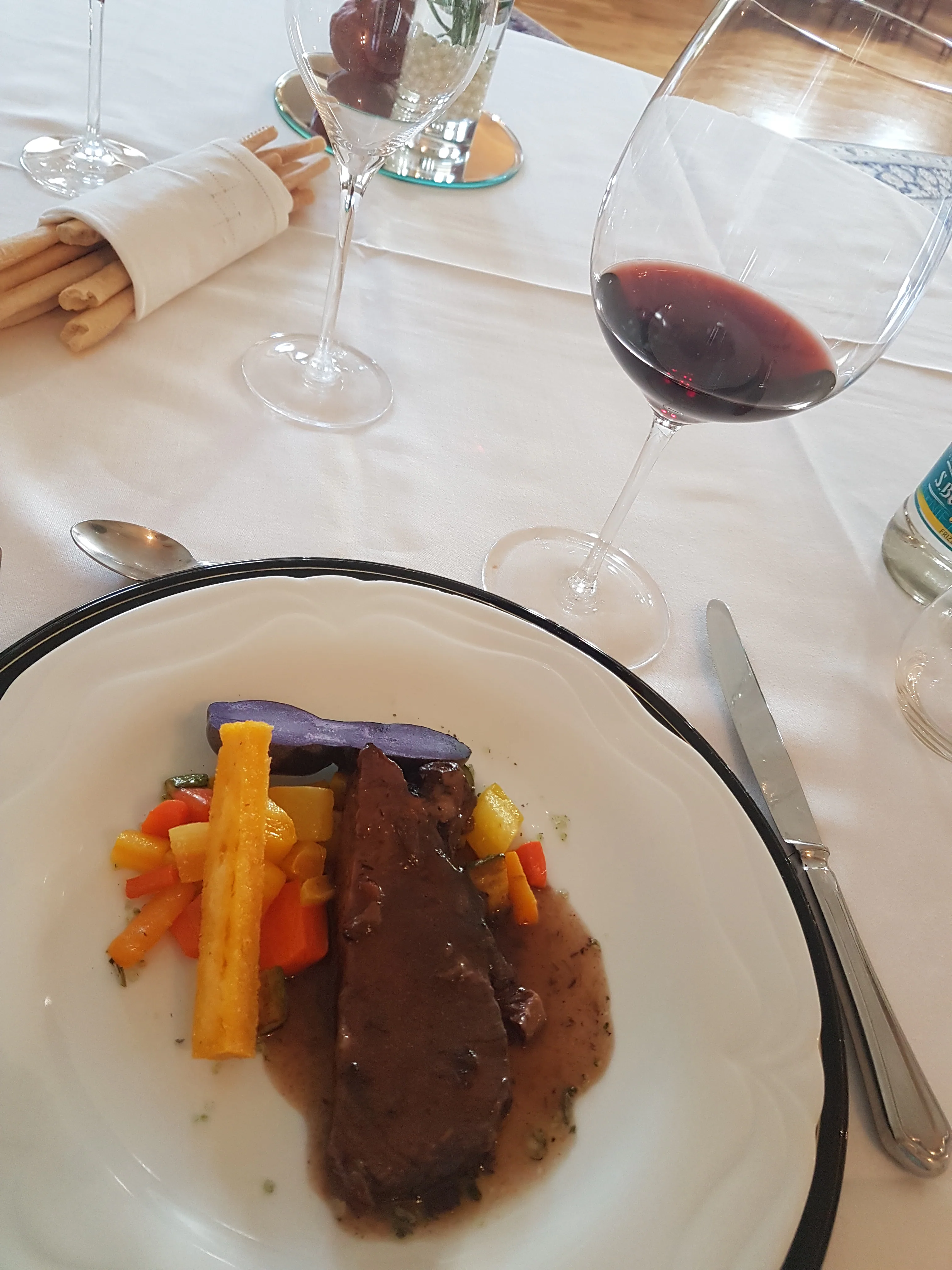
Pairs well with