Luce della Vite was born from an unlikely handshake across the Atlantic. On one side — Marchese Frescobaldi, a Florentine dynasty with seven centuries of Tuscan land and winemaking behind them, a family whose banking operations once financed the English Crown and whose vineyards predate the Renaissance. On the other — Robert Mondavi, the man who turned Napa Valley from a provincial curiosity into a global fine-wine address. When the two families agreed to create a joint estate in Montalcino in the early 1990s, the logic was clean: Frescobaldi brought the terroir and the heritage; Mondavi brought the ambition and the modern vision. The result was Tenuta Luce — and the flagship wine that carries its name is, to this day, one of the most recognisable Tuscan blends in the world.
Montalcino is a compact hill town in southern Tuscany, and its fame rests almost entirely on a single wine: Brunello di Montalcino, the long-lived, structured expression of Sangiovese that ranks among Italy's greatest reds. Tenuta Luce sits in the southwest of Montalcino, at altitude — vines planted between 230 and 450 metres, with south and southwest exposure. The estate is not uniform: the upper plots, with sandstone and limestone, are where Sangiovese finds its footing, gaining tension and structure from the stony, well-drained soils; the lower slopes, heavier with clay, are where Merlot builds its case — more body, more ripeness, a fuller and darker expression. That split is not incidental. It is the whole point of the blend.
Lucente is the second label of Tenuta Luce, and calling it simply a second wine would miss the point entirely. The name means shining in Italian, and the wine was built from the start as a distinct proposition — not a declassification, but a younger-vine, earlier-drinking expression of the same estate. The blend for the 2020 vintage is Merlot-dominant, with Sangiovese in support; exact percentages are not disclosed by the producer, which is itself a statement of intent — the emphasis is on the blend as a whole, not its arithmetic. Winemaking by Alessandro Marini — the estate's oenologist and technical director since 2019 — involved fermentation in temperature-controlled stainless steel, 20 days of skin maceration, and 12 months in barriques, a combination of new and used oak.
The 2020 Tuscan growing season was broadly favourable — warm and dry, with well-timed rainfall during the critical phases. Concentrated fruit, naturally balanced ripeness, none of the stress that mars the great heatwave vintages of the south.
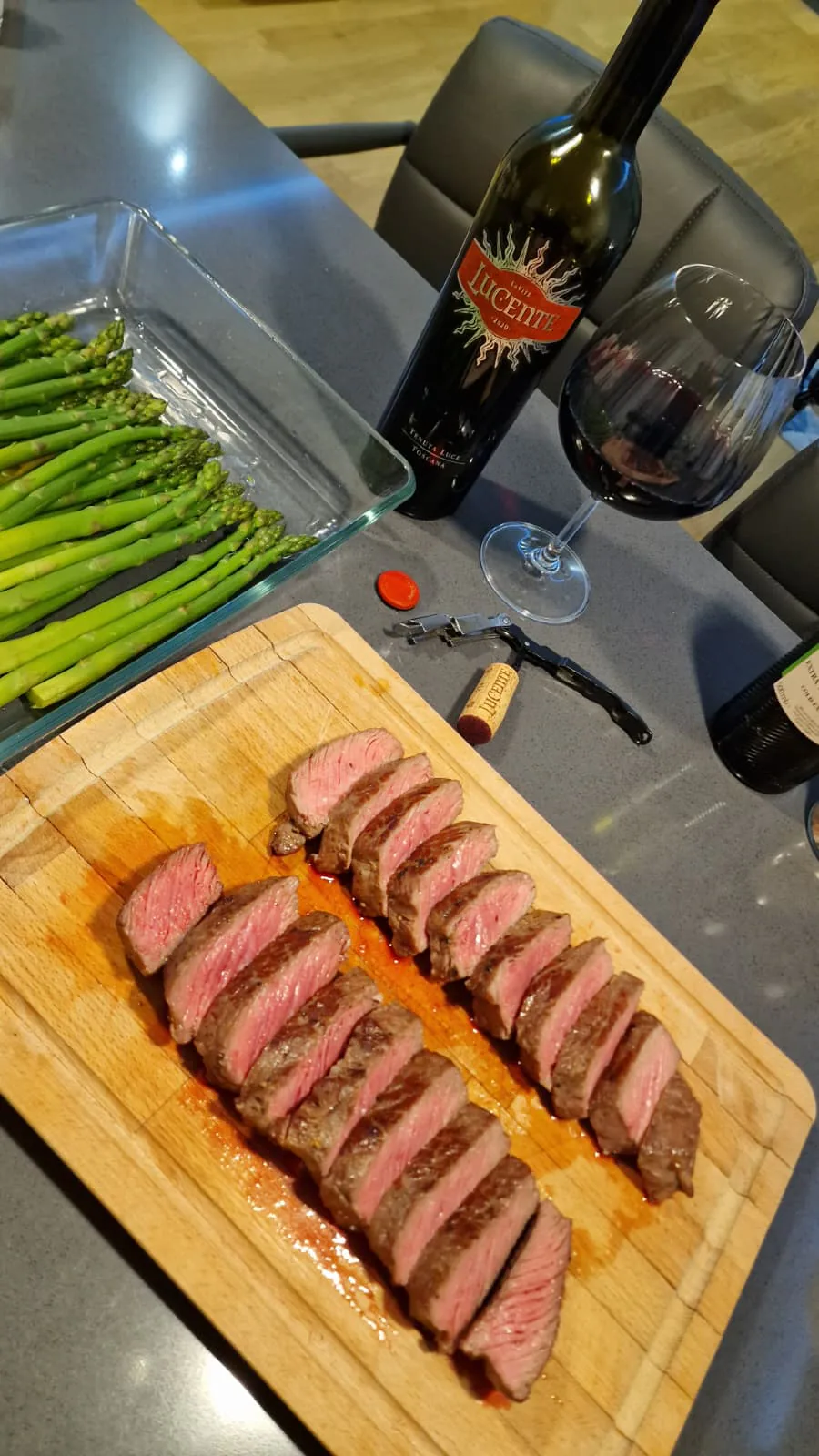
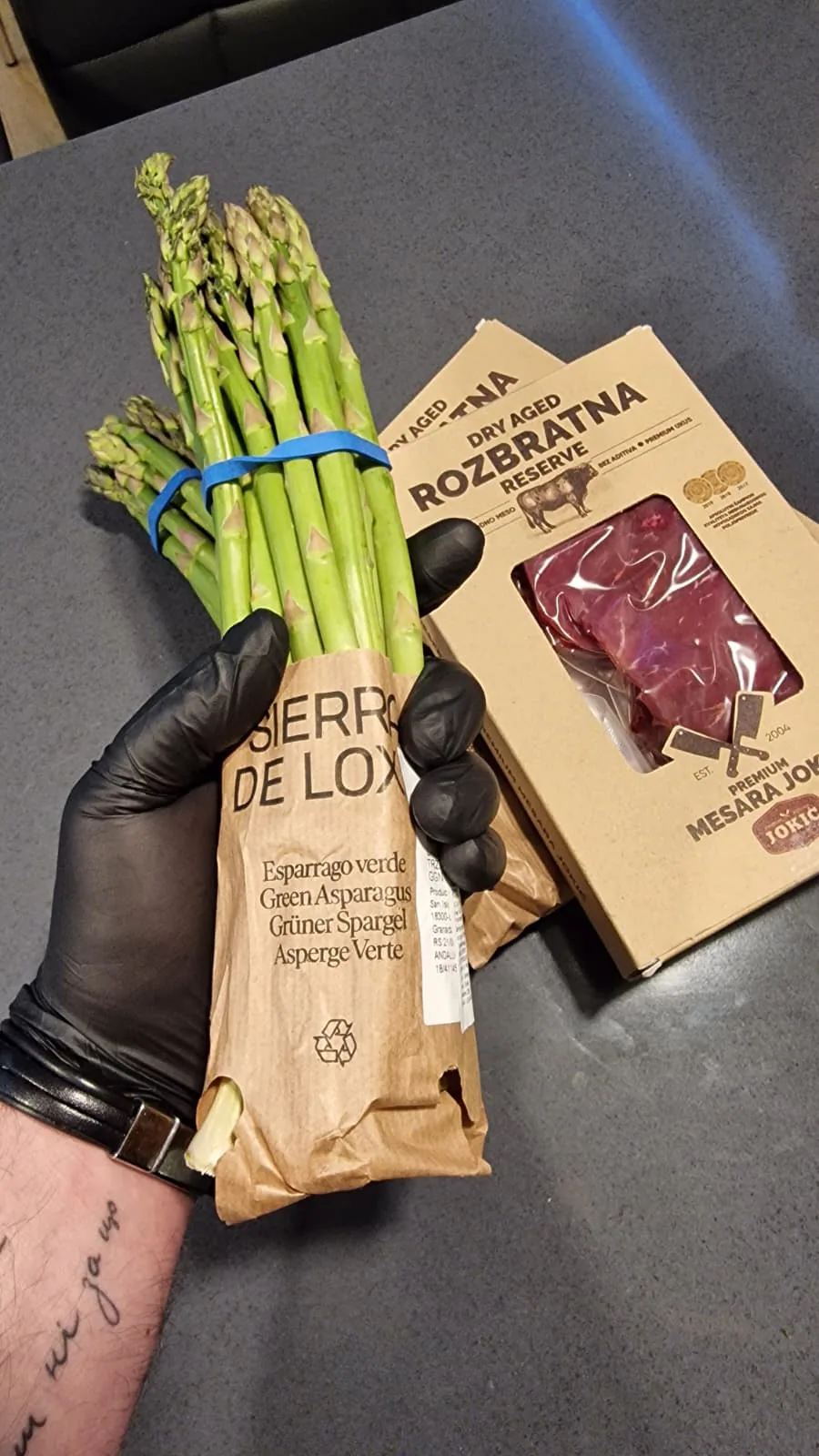
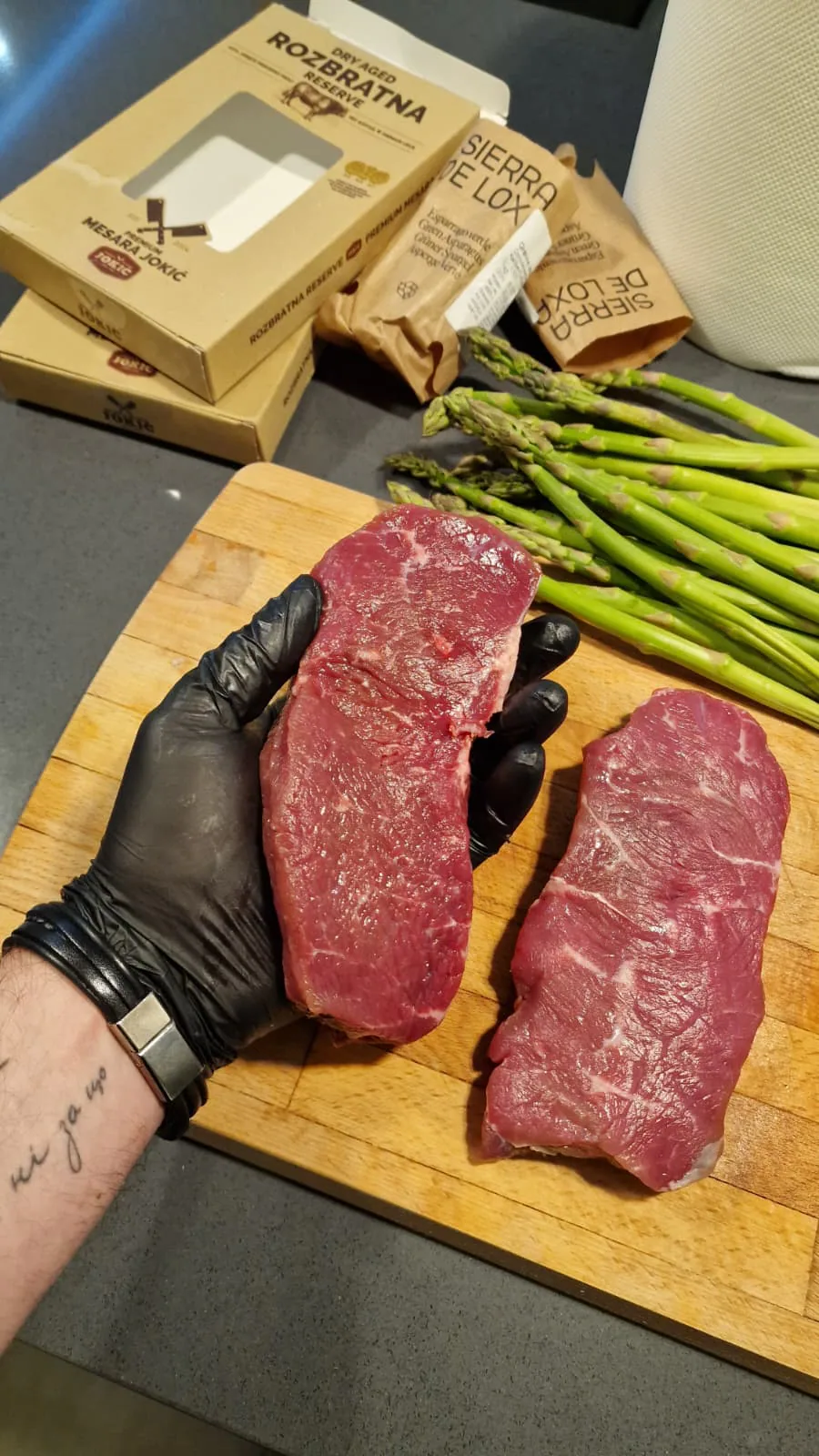
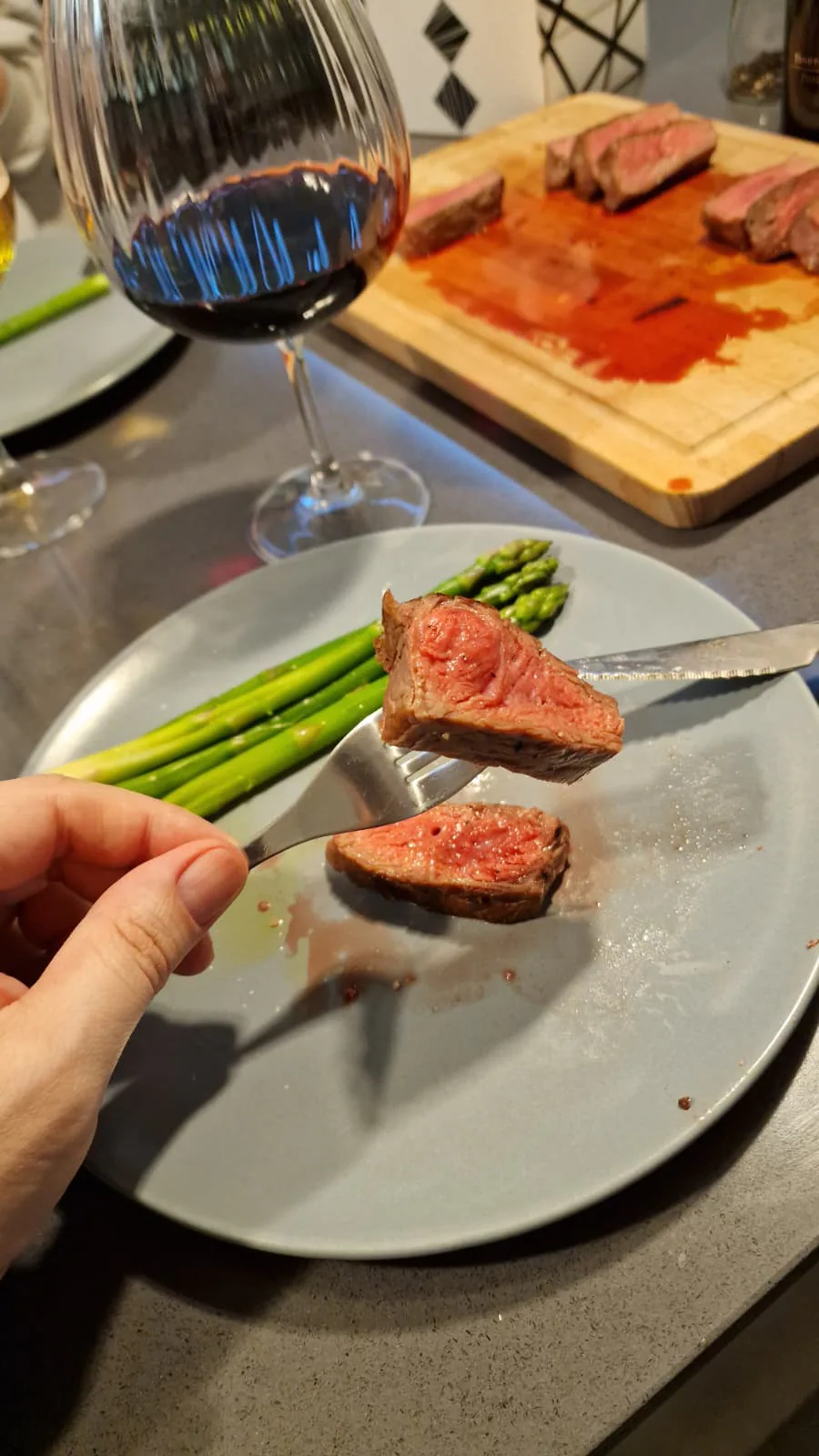
I opened it at home with a with a dry-aged Rozbratna Reserve — rozbratna being the Serbian word for ribeye — from Jokić butchery — medium rare, with the juices still running on the board — and the pairing made the kind of obvious sense that doesn't need explaining. The asparagus alongside it was a different story, but the wine didn't hold it against me. Lucente doesn't try to be Luce, and it is completely honest about that. It knows exactly what it is — and in the right company, that is more than enough.
Pairs well with