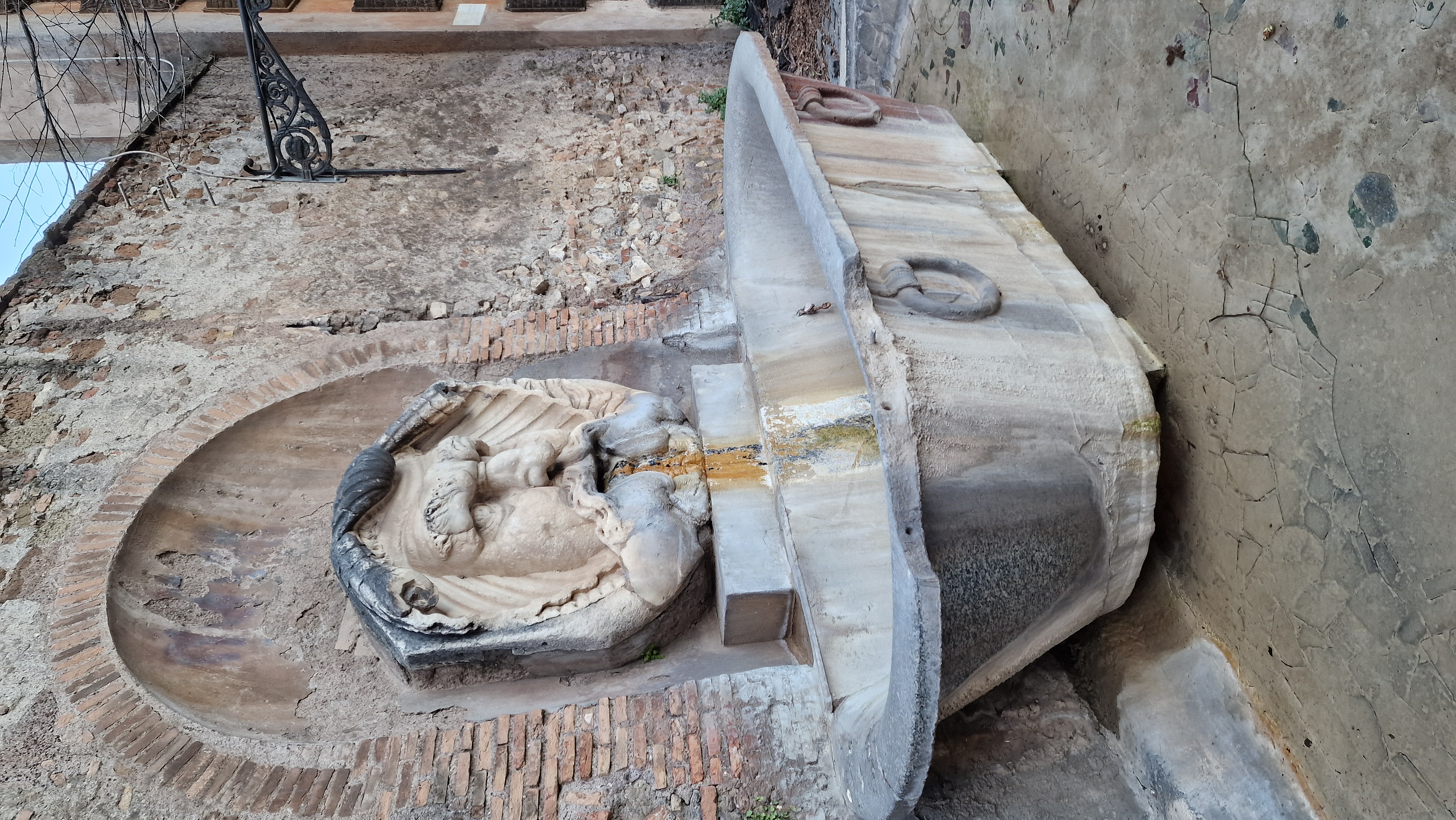
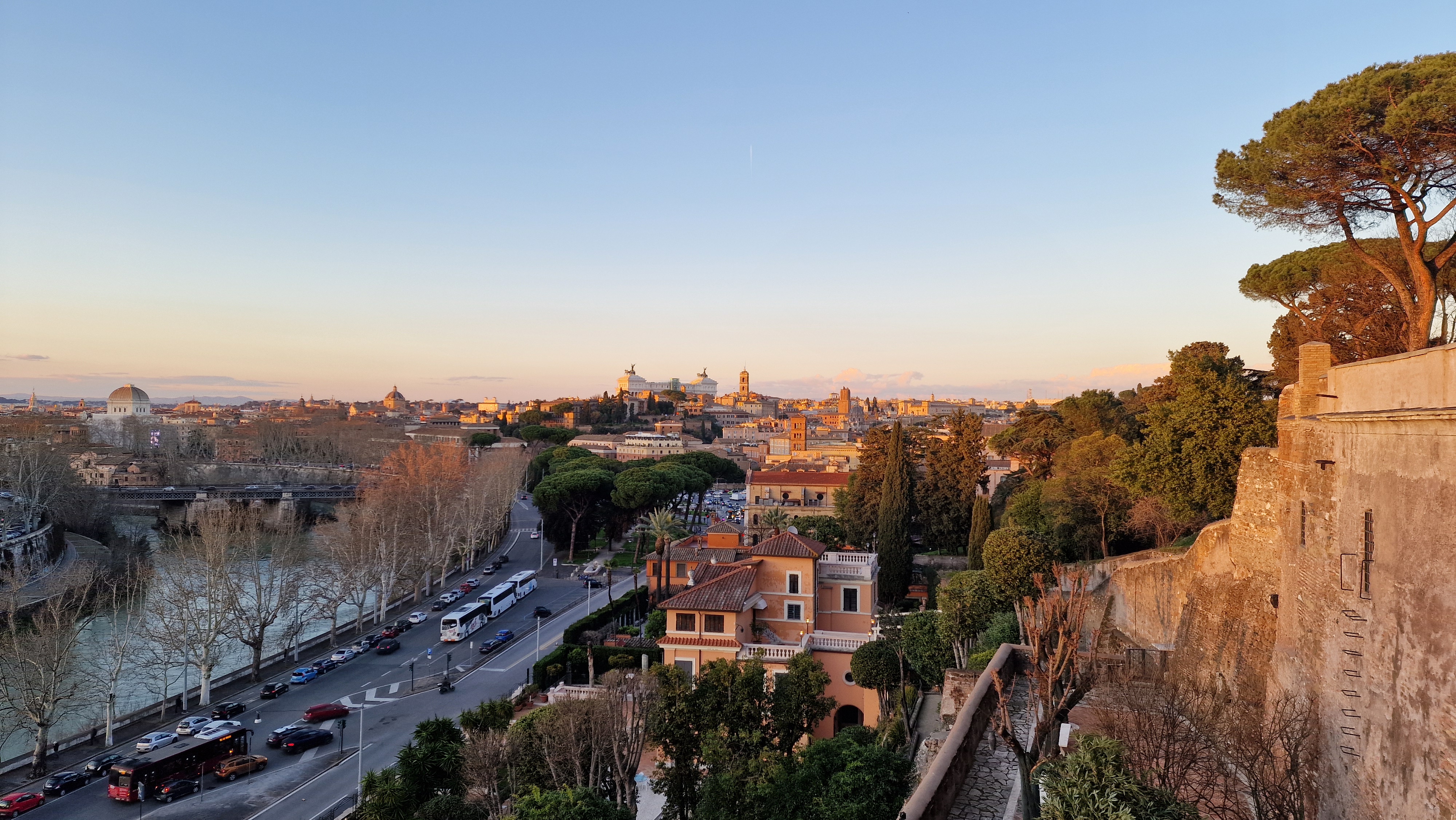
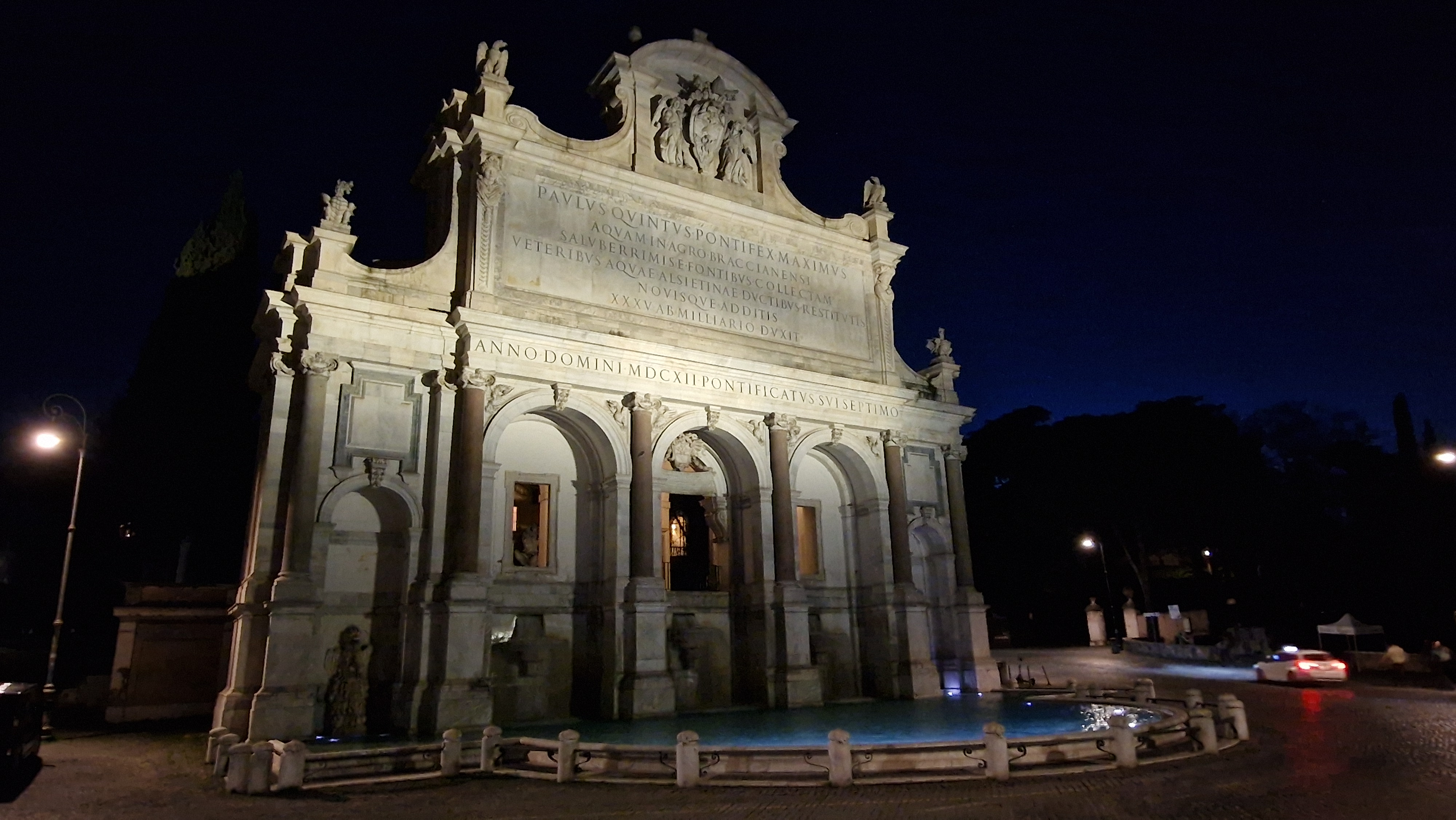
The opening sequence of Paolo Sorrentino’s La Grande Bellezza takes place on the Janiculum Hill in Rome, by the Fontana dell'Acqua Paola, also known as Il Fontanone ("The big fountain"). Built in 1612 from the bones of the ancient city—its white marble ruthlessly pried from the ruins of the Roman Temple of Minerva—the fountain is a towering collision of Baroque grandeur and stolen history. Standing beneath that massive, repurposed stone archway as water thunders into the basin, a Japanese tourist is so overwhelmed by the sheer, devastating beauty of the city spread out below him that he collapses. The psychosomatic condition has a name — Stendhal syndrome — and while neither my fiancée nor I fainted during our day spent tracing Sorrentino’s filming locations that March in 2023, the weight of Roman aesthetics is a physical thing. We ended the day at Rimessa Roscioli, a restaurant she had chosen, a hushed, white-tablecloth room that felt like a seamless continuation of the afternoon.
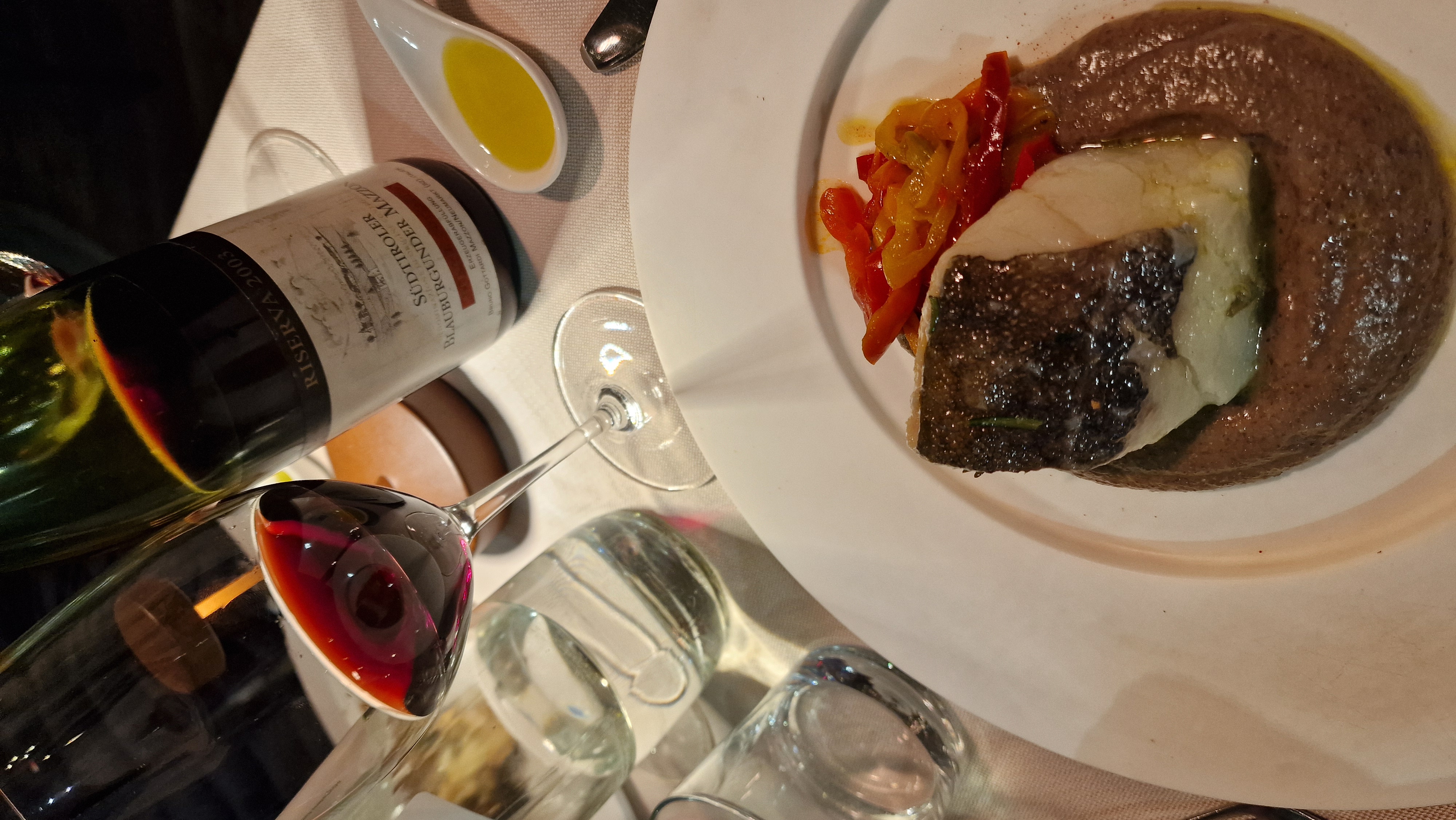
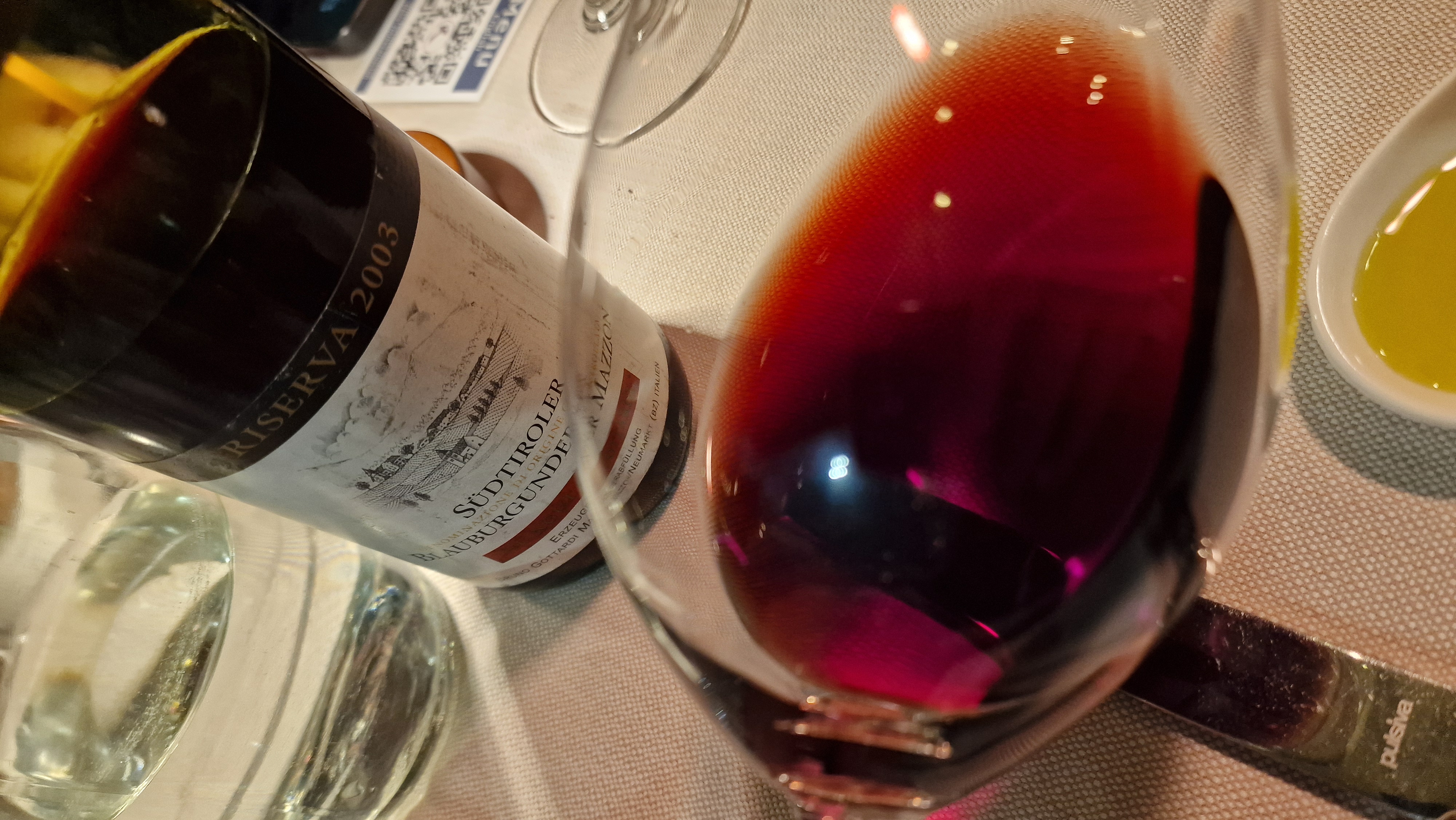
The wine was the 2003 Bruno Gottardi Südtiroler Blauburgunder Mazzon Riserva. Gottardi is an anomaly in the Italian wine landscape. The family were originally German-speaking wine merchants from Innsbruck, running a successful mail-order business in Austria. In 1986, they reversed the usual commercial flow, crossing the Brenner Pass southward to purchase the Fernheimhof estate in Mazzon explicitly to return to the vine-growing their nineteenth-century ancestors had abandoned to phylloxera. By 2010, following the death of founder Bruno Gottardi, the estate had streamlined its focus entirely to Blauburgunder — the local, and historically accurate, German nomenclature for Pinot Noir.
Mazzon is not an appellation in its own right, but a tiny hamlet sitting on the eastern slope of the Adige Valley above the town of Neumarkt. It is widely regarded by Italian wine specialists as the country's pre-eminent site for the variety — often referred to in the local trade as the Blauburgunder-Himmel, or Pinot Noir heaven. The grape was first introduced here in the late nineteenth century by a university professor named Ludwig von Barth, and the village's reputation has been consolidated steadily ever since. The terroir here is defined by a south-west to west-facing ridge at roughly 300 to 500 metres above sea level, capturing the late afternoon sun while being insulated by the Alpine ramparts behind it. More importantly, the soil is a complex mosaic of sandstone, limestone, dolomite, and yellow siltstone. That free-draining, mineral-heavy base, combined with the sharp diurnal temperature drops driven by mountain winds at night, usually gives Mazzon Blauburgunder a tight, aromatic precision.
The 2003 vintage, however, broke the usual rules. It was a historic, continent-wide heatwave that drought-stressed vineyards across Europe. Even buffered by South Tyrolean altitudes, the growing season produced much riper, concentrated fruit with naturally lower acidity than the appellation's cool-climate norm. The result is a broader-shouldered, warmer wine, swapping the tight red-berry tension of a typical Mazzon for deeper, stewed-plum weight and fully resolved, relaxed tannins.
That underlying warmth is shaped by an élevage — the post-fermentation maturation phase — that relies heavily on wood. The wine spent twelve months in French oak barriques, roughly a quarter of them new, followed by over a year in large, neutral oak casks. This regime softens the phenolic grip while embedding notes of sweet baking spice and light tobacco into the mature fruit.
Opening a 2003 Blauburgunder this far south is a gamble, but the Gottardi delivered. Shaped by that brutal European heatwave and softened by two decades in bottle, it had evolved past its primary fruit into deep, tertiary notes of undergrowth and sweet spice.
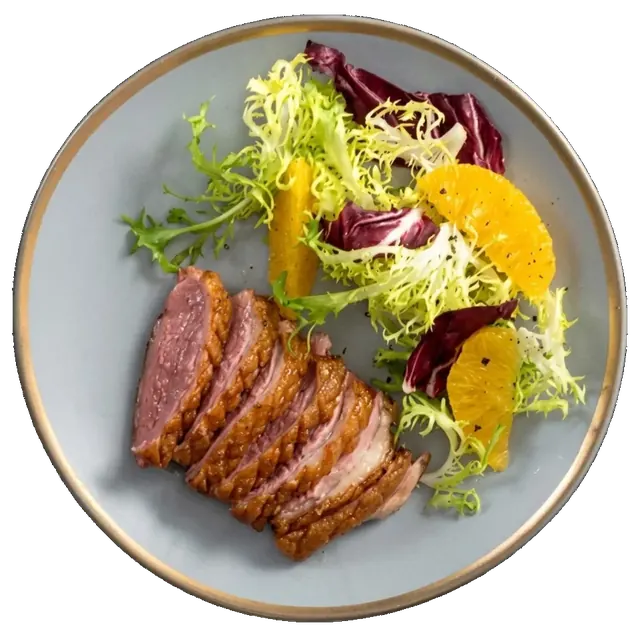
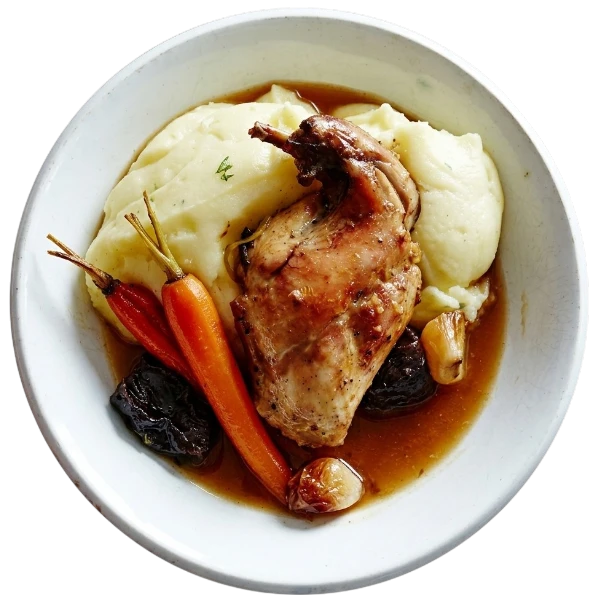
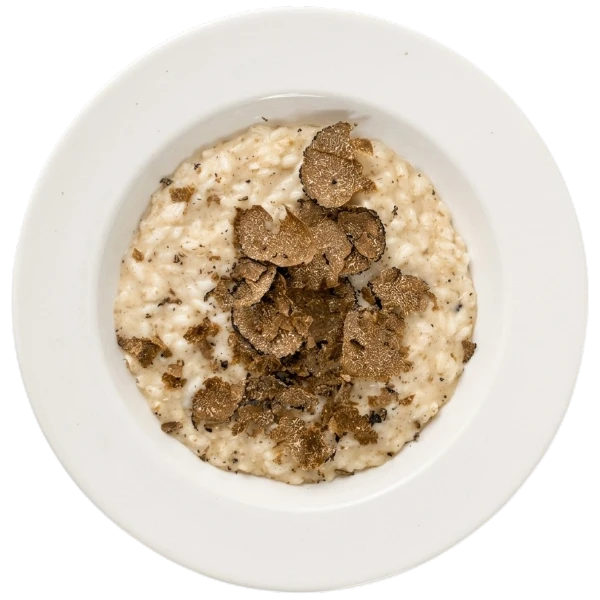
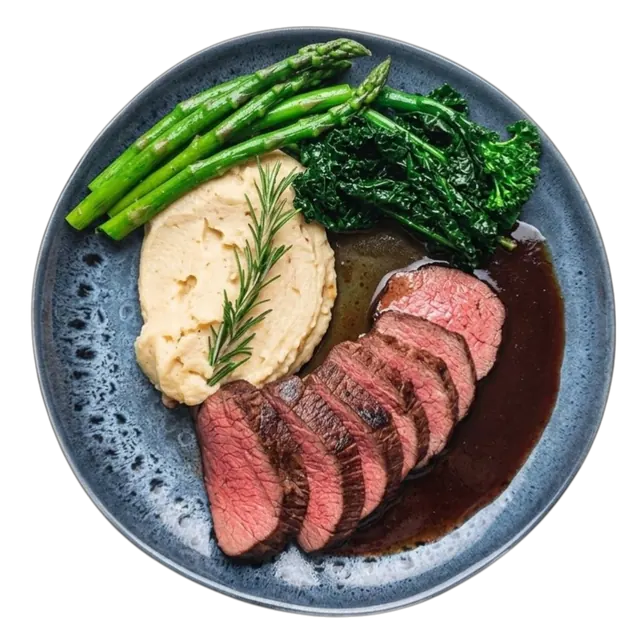
Pairs well with