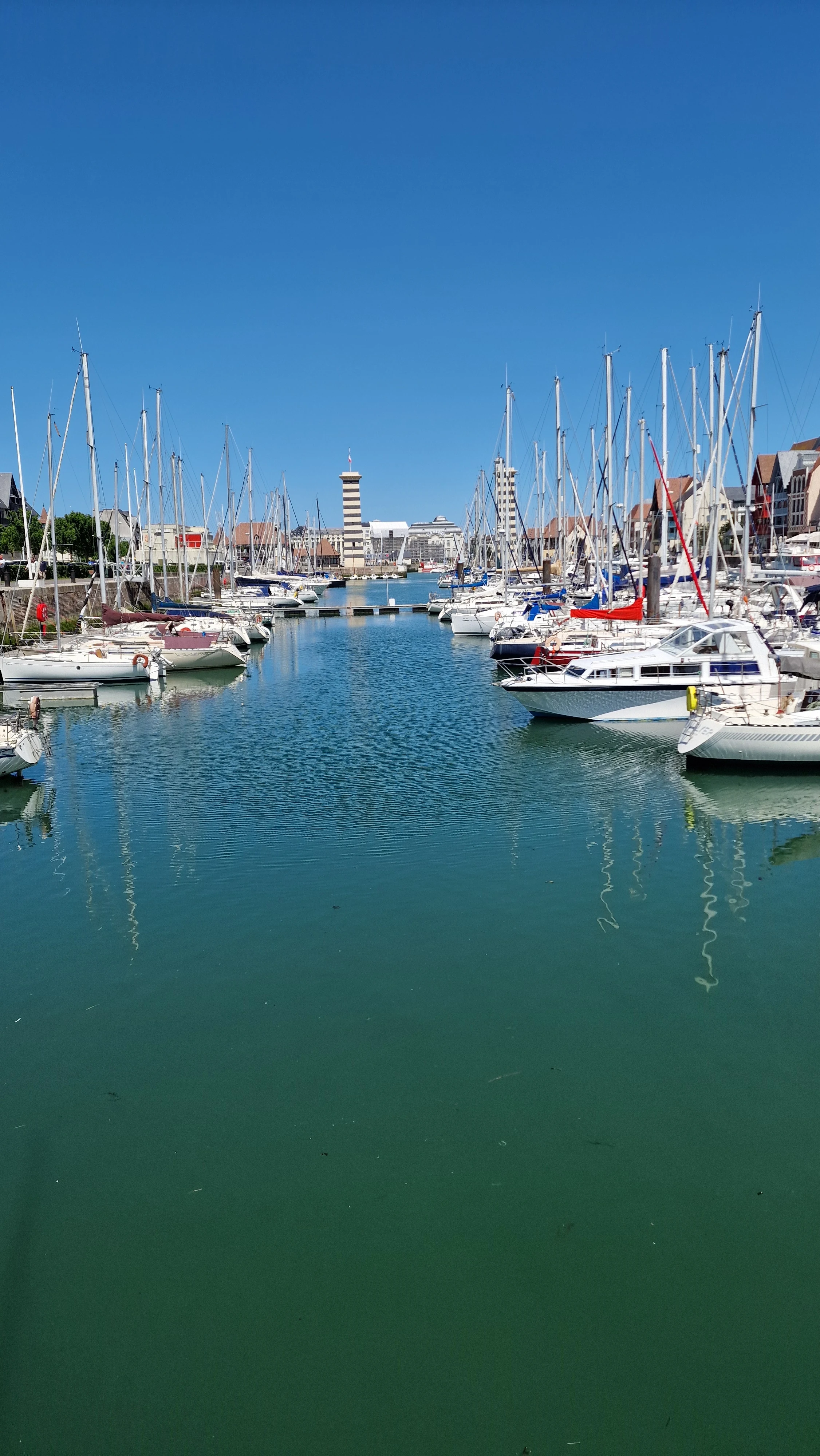
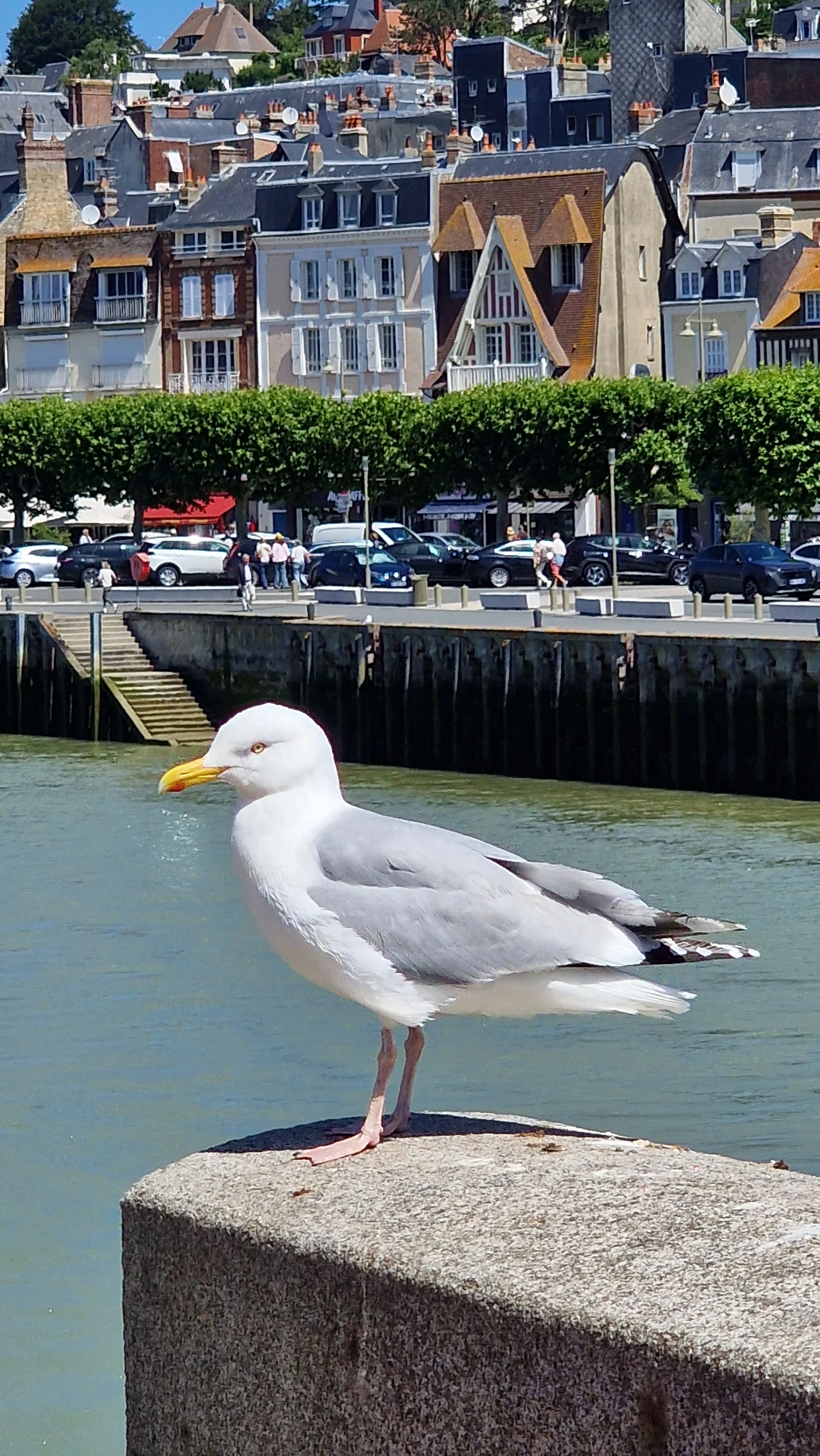
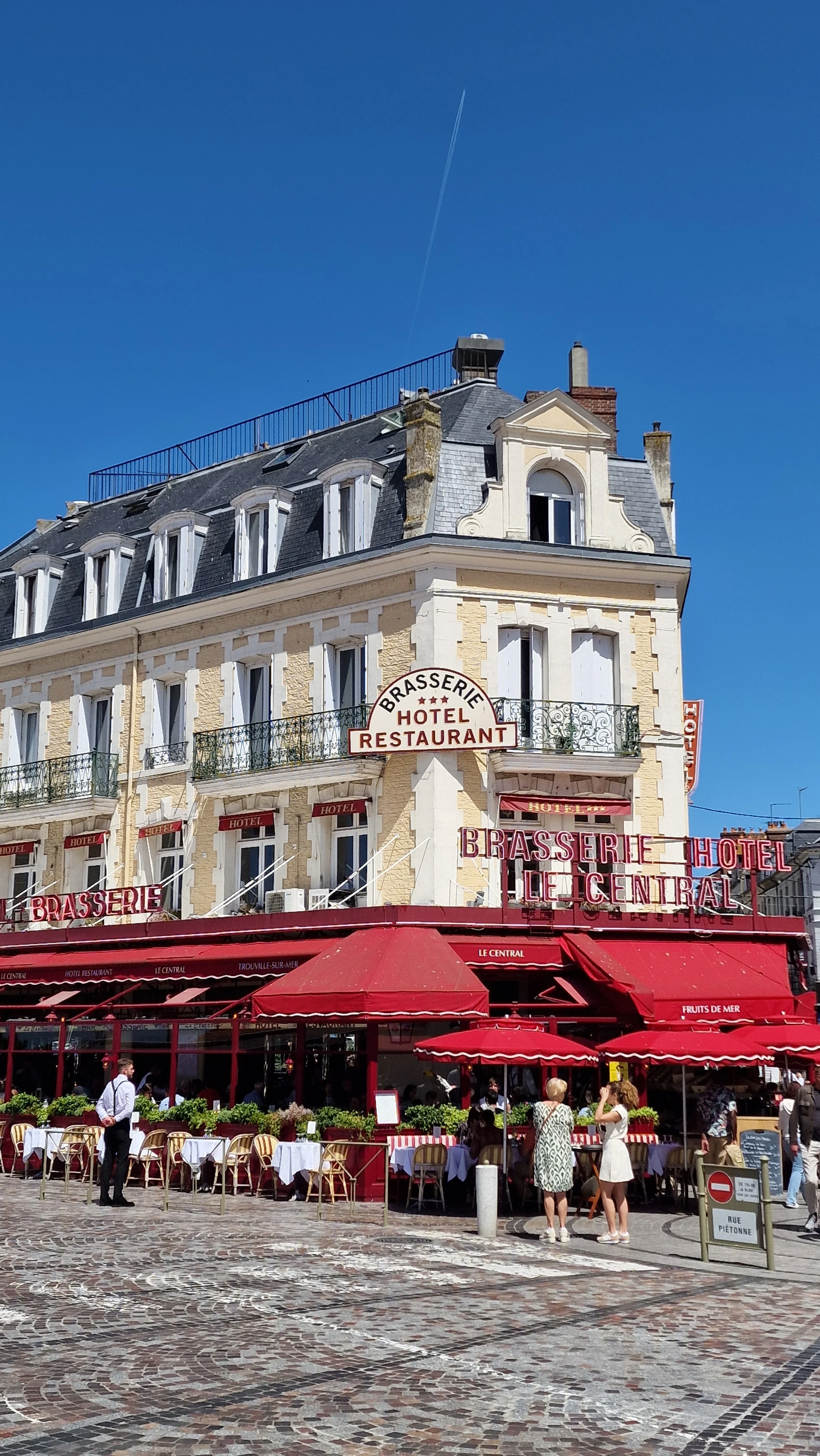
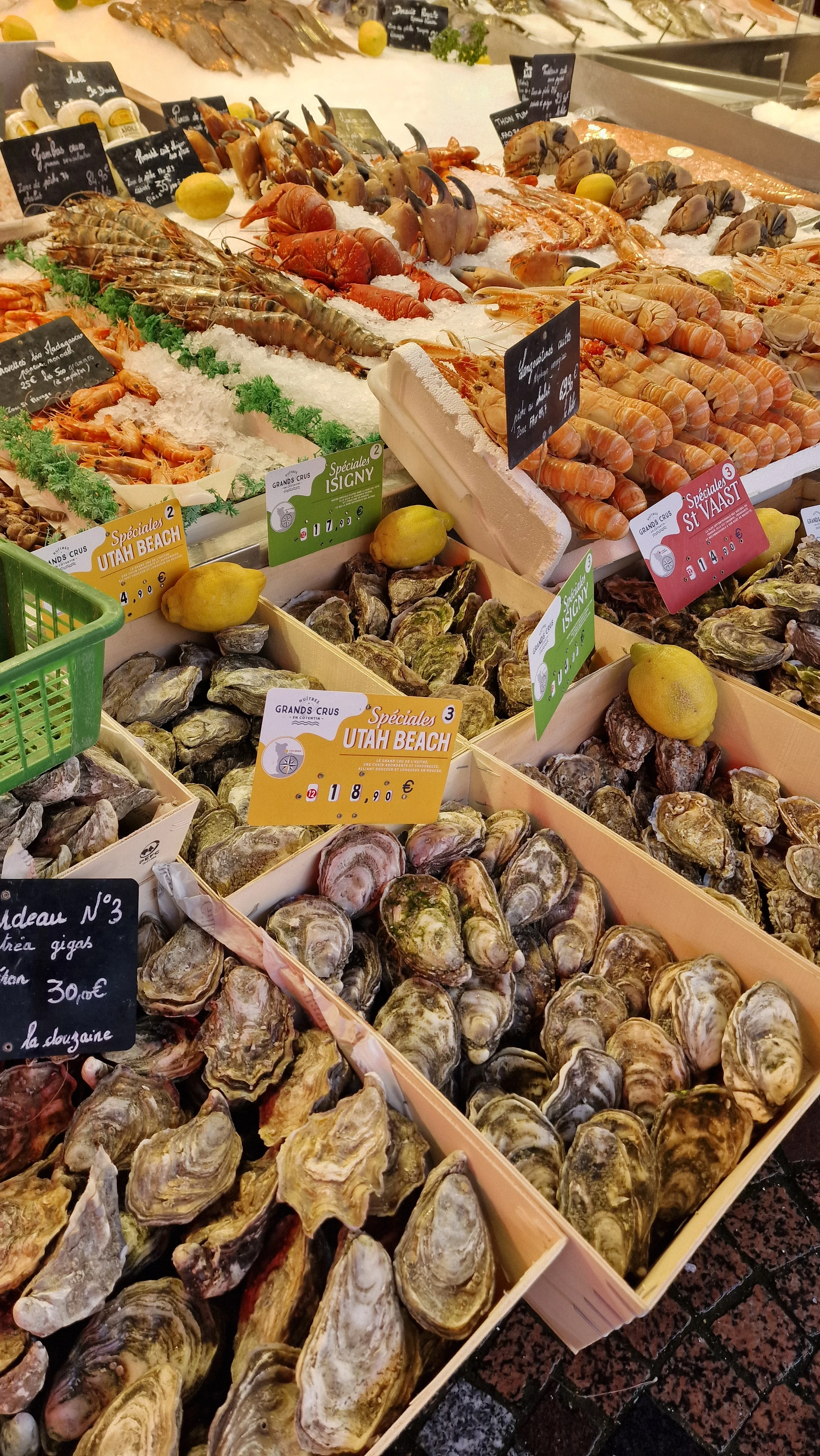
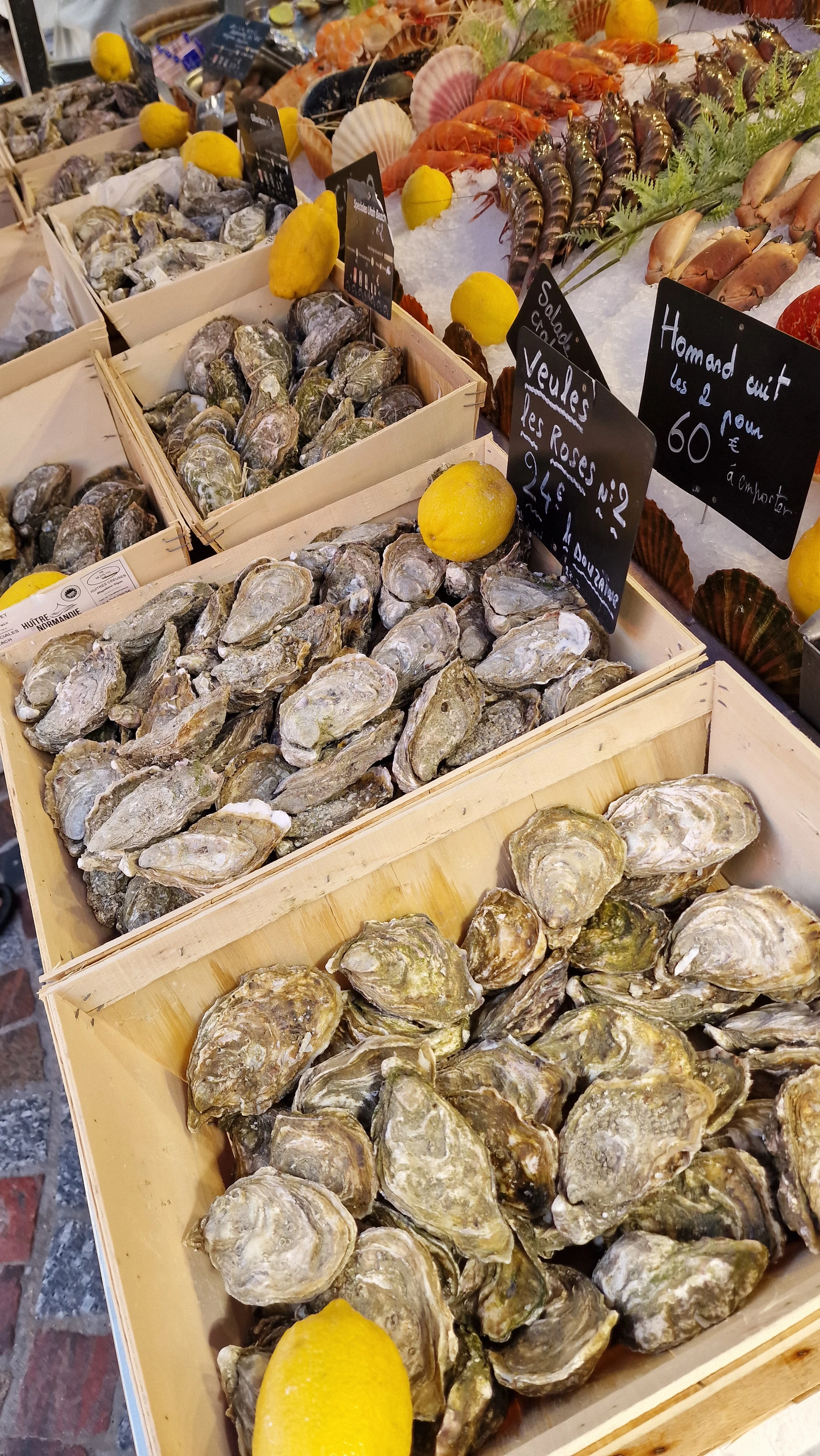
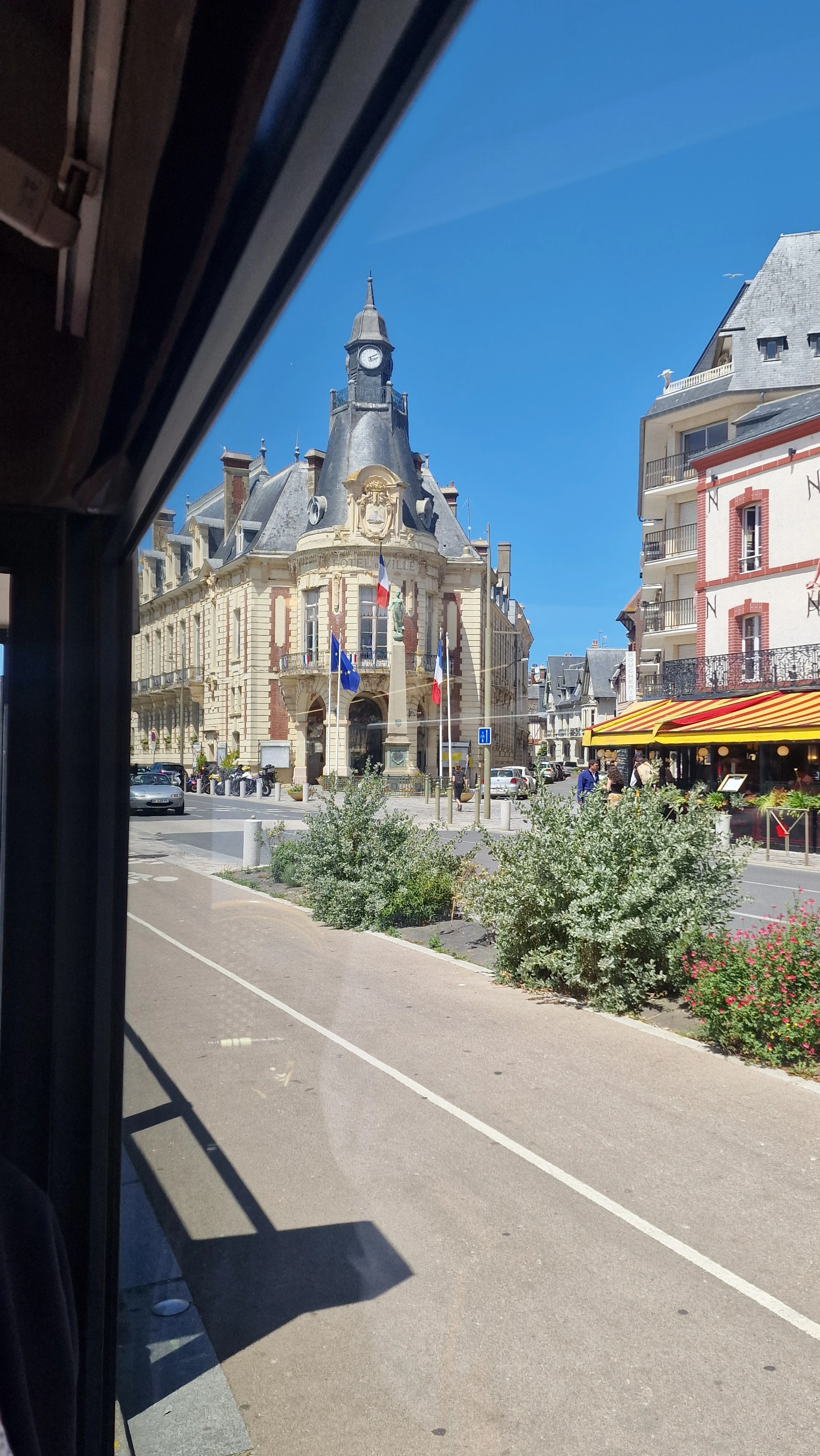
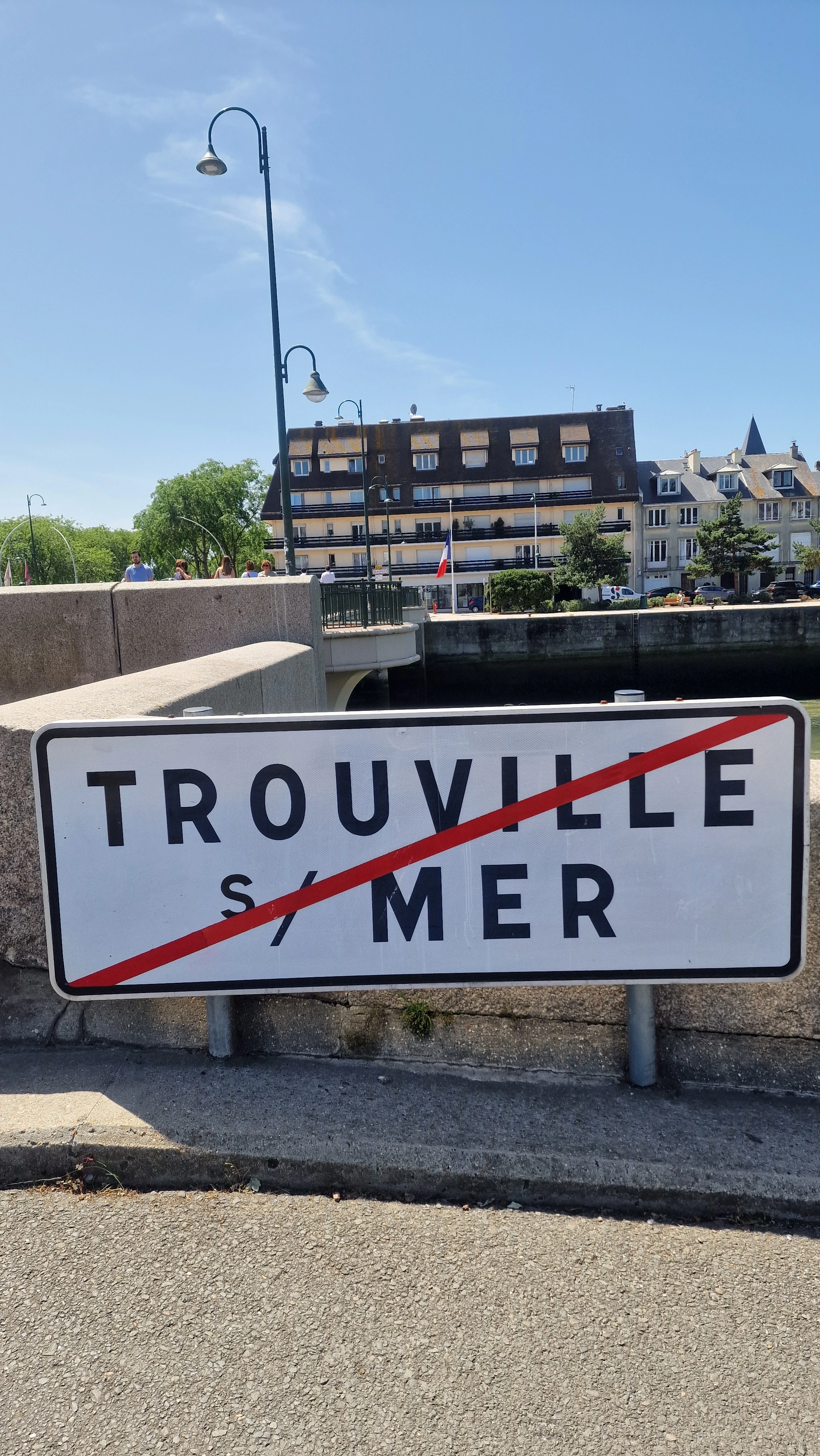
I had been in Normandy for a conference from Wednesday to Friday, and I specifically reserved Saturday — my final day before heading back home — to explore Deauville and Trouville-sur-Mer. Both towns sit on the coast of the English Channel — La Manche — side-by-side, separated only by the River Touques, but they belong to entirely different conceptual worlds. At lunchtime, I set out on the absolutely scenic walk between the two. Deauville is a manufactured dream of the Second Empire — a kingdom of elegance built from scratch in the 1860s, defined by its neo-Norman architecture. It is a highly decorative, theatrical aesthetic of intricate half-timbering (Fachwerk — or colombages in French), steep pseudo-medieval roofs, and fairy-tale facades built specifically to attract the Parisian elite. Trouville-sur-Mer, the older sister, is organic and authentic. While it began as a humble fishing village, the architecture around the port and the market feels decidedly different — shaped by the grand, stone-built Haussmannian style that defines the Parisian boulevards. I ended my walk right at the heart of this contrast: the historic fish market on Boulevard Fernand Moureaux.
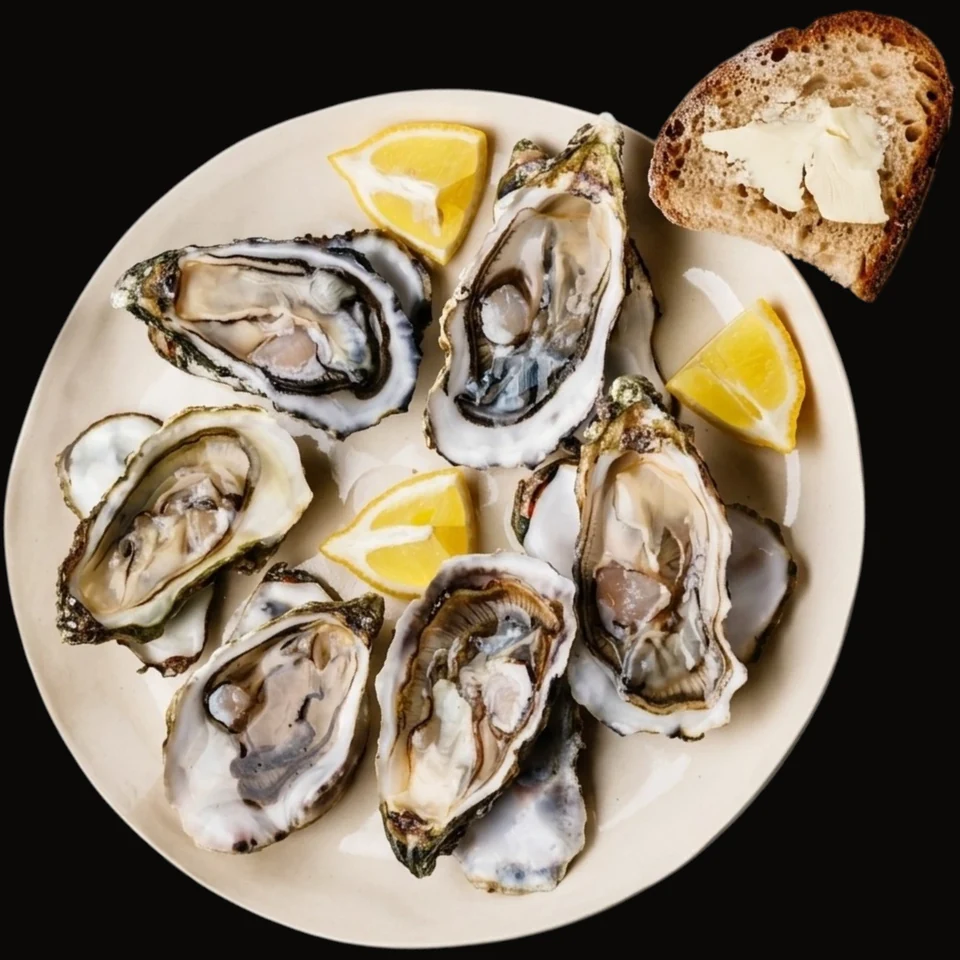
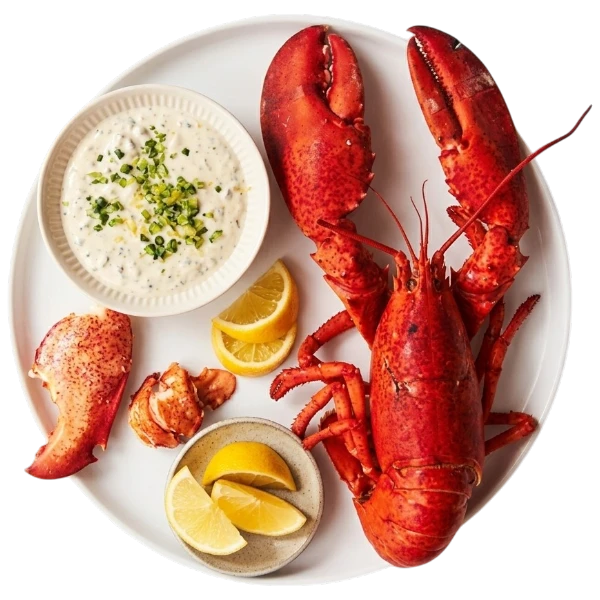
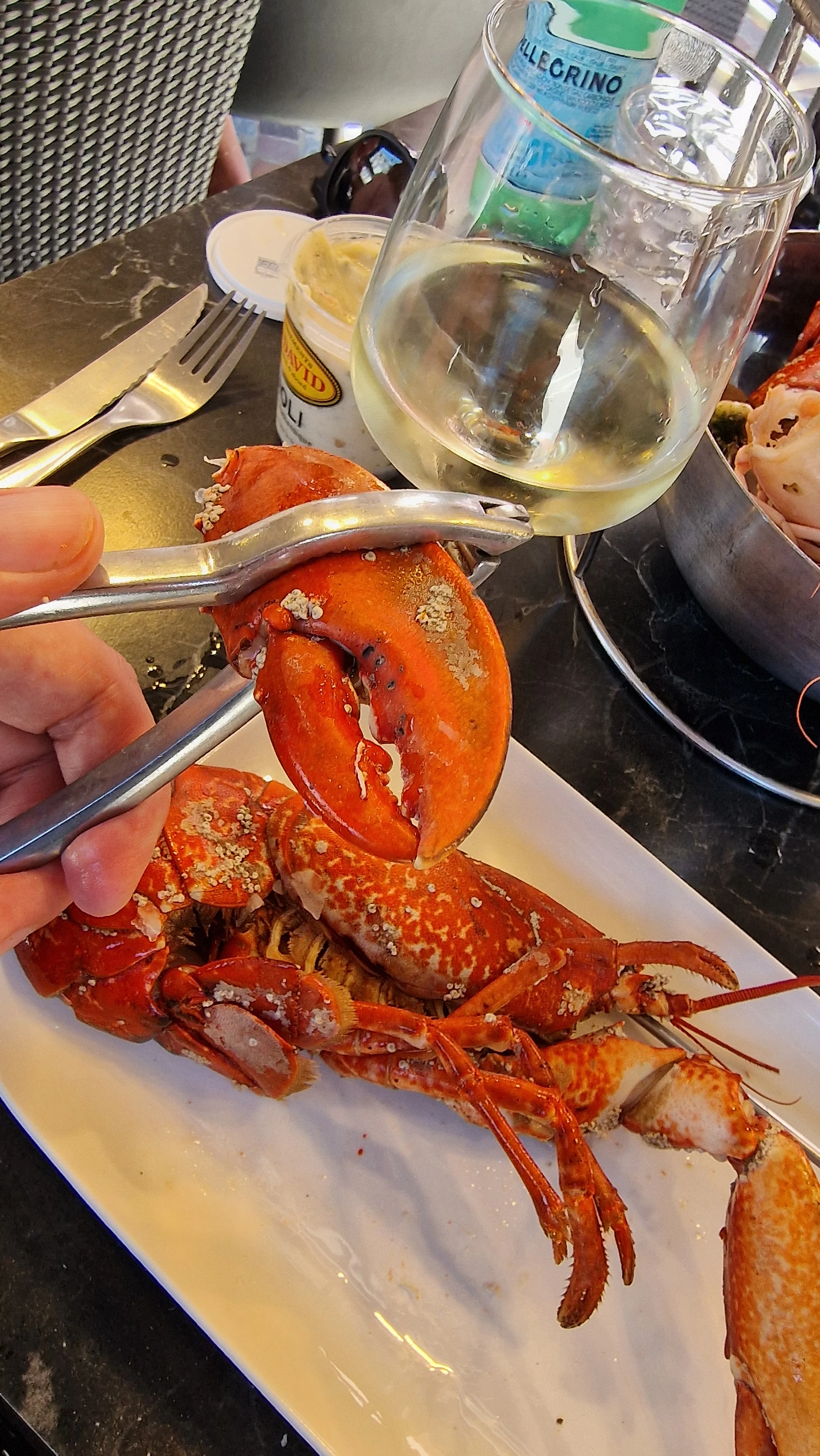
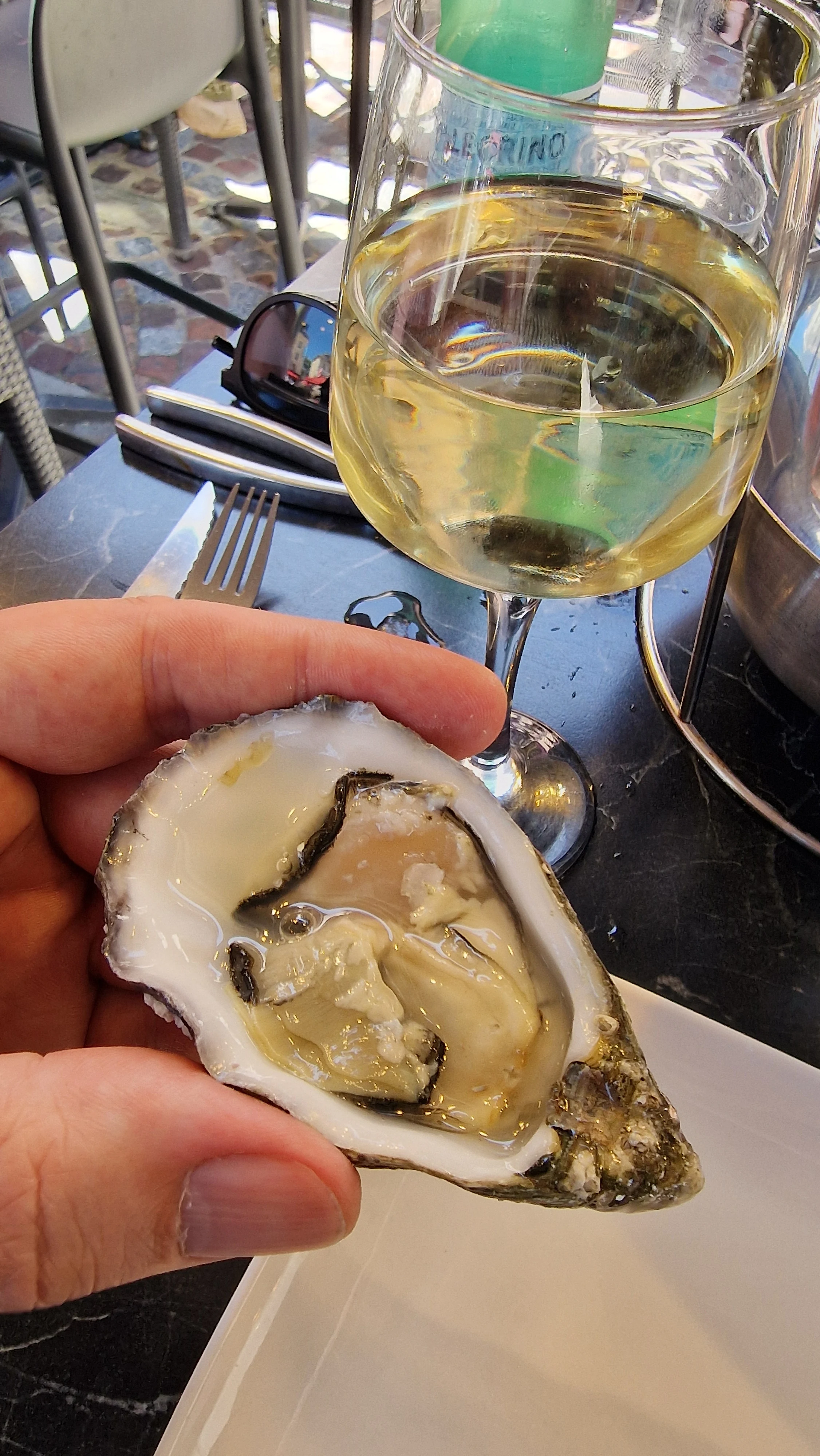
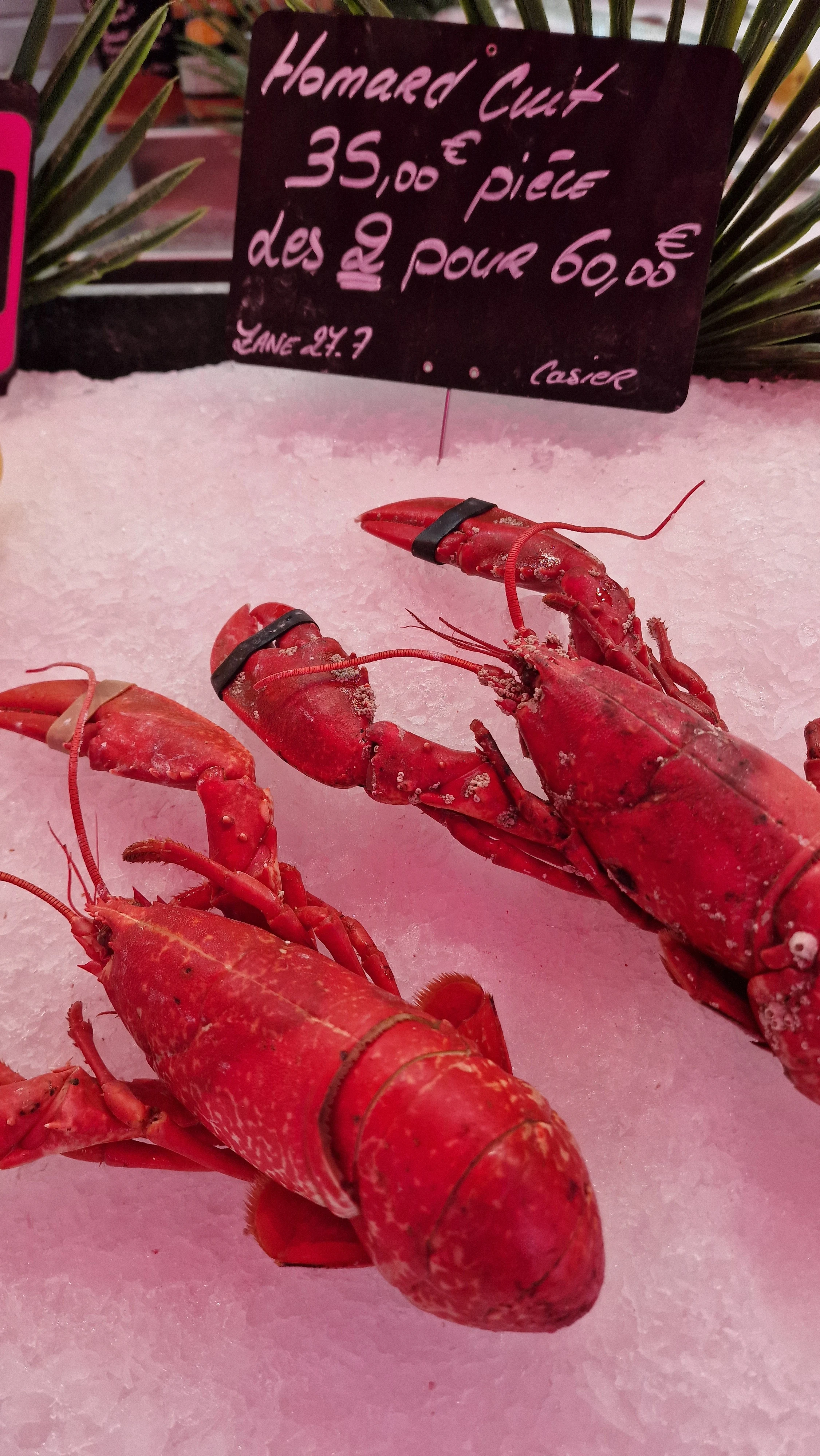
The market was a chaotic, brilliant spectacle. Even in the technical off-season, the place was packed, an even split between fast-talking French locals and foreigners navigating the crowded aisles. Being from landlocked Belgrade — where a genuinely great seafood meal is an event requiring a high-end restaurant and a deep wallet — the sheer volume of the raw bar in front of me felt like a revelation. I got lucky with the stall: Poissonnerie La Rose des Vents — literally “The Compass Rose” — turned out to be an excellent choice. The servers looked as if they had stepped straight out of a ship’s galley, working the counter in rubber boots and aprons, and the service was absolutely excellent: fast, attentive, and completely at ease amid the market chaos. I secured a stool there with a direct view of the Hôtel de Ville de Trouville across the street, the town hall whose imposing brick-and-stone clock tower is easily mistaken for a grand hotel. I ordered half a dozen Spéciales Utah Beach N°2 oysters. Cultivated on the east coast of the Cotentin peninsula near the historic D-Day landings, the N°2 classification signifies a large, weighty oyster, defined by a fleshy bite, a bold saline wave, and a distinctly nutty finish. Alongside them came a whole homard cuit — a freshly boiled lobster, chilled on ice and ready to be dismantled — served with a tub of aïoli, the dense, aggressively garlicky mayonnaise that acts as the ultimate amplifier for cold seafood.
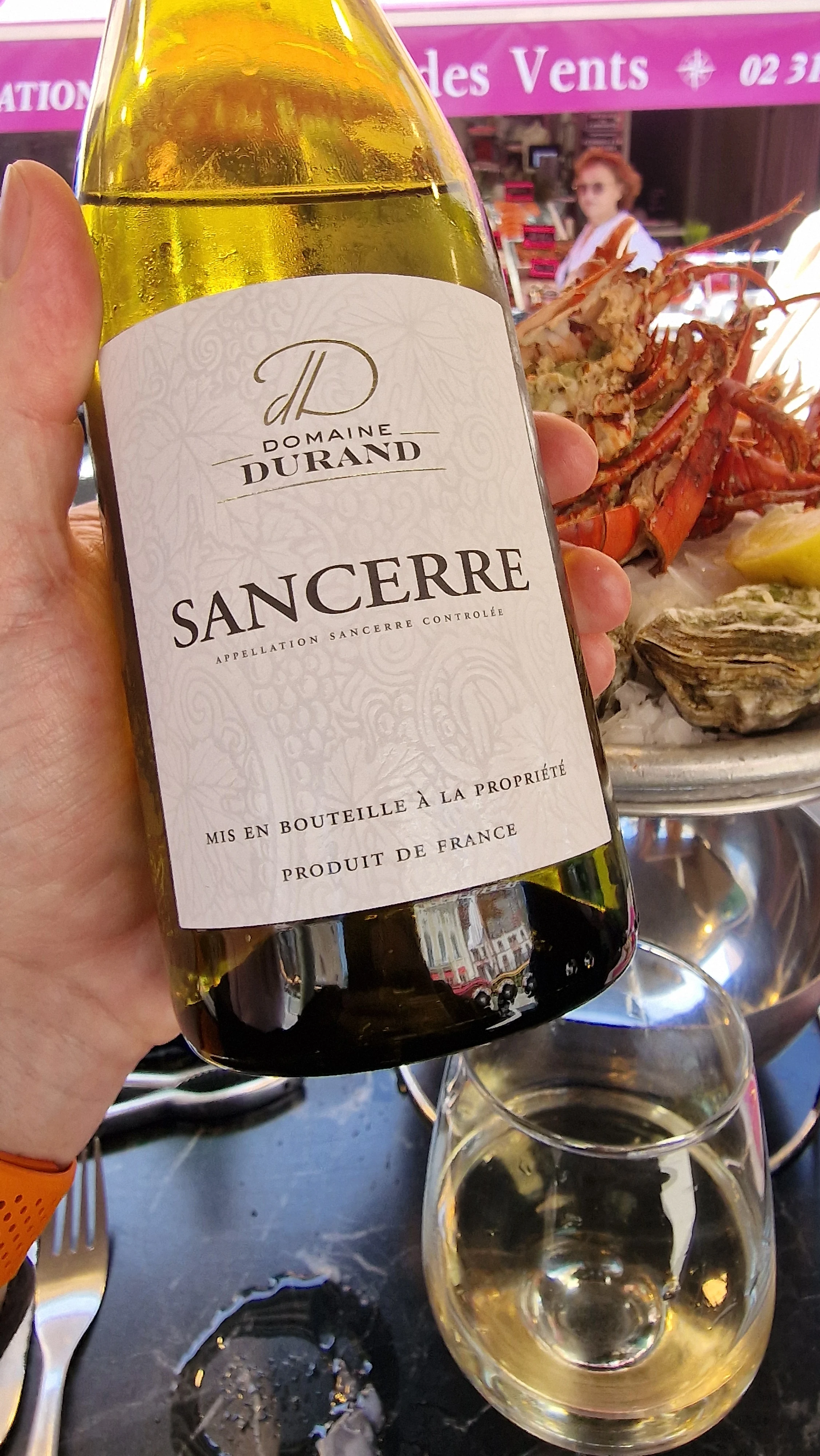
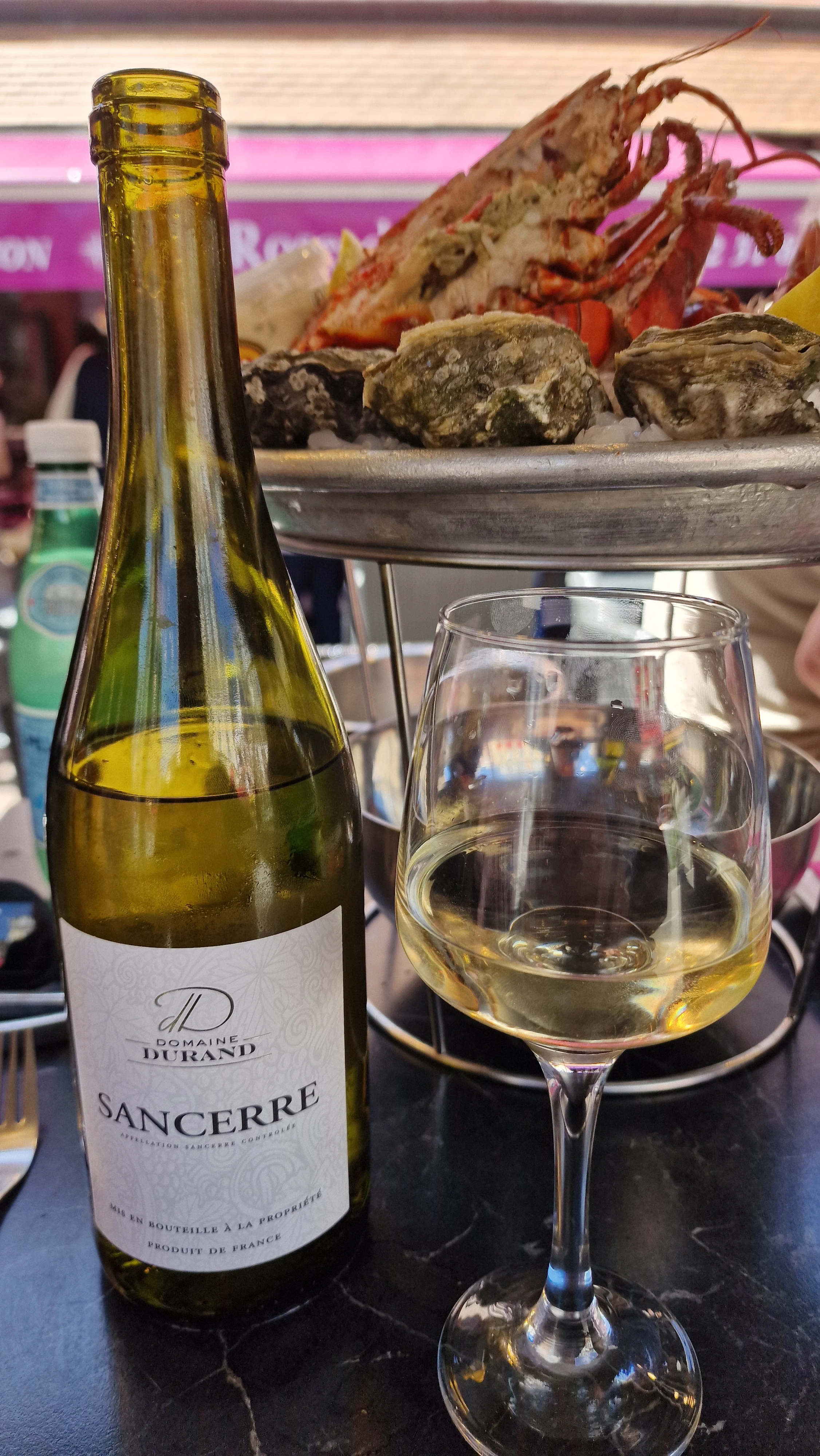
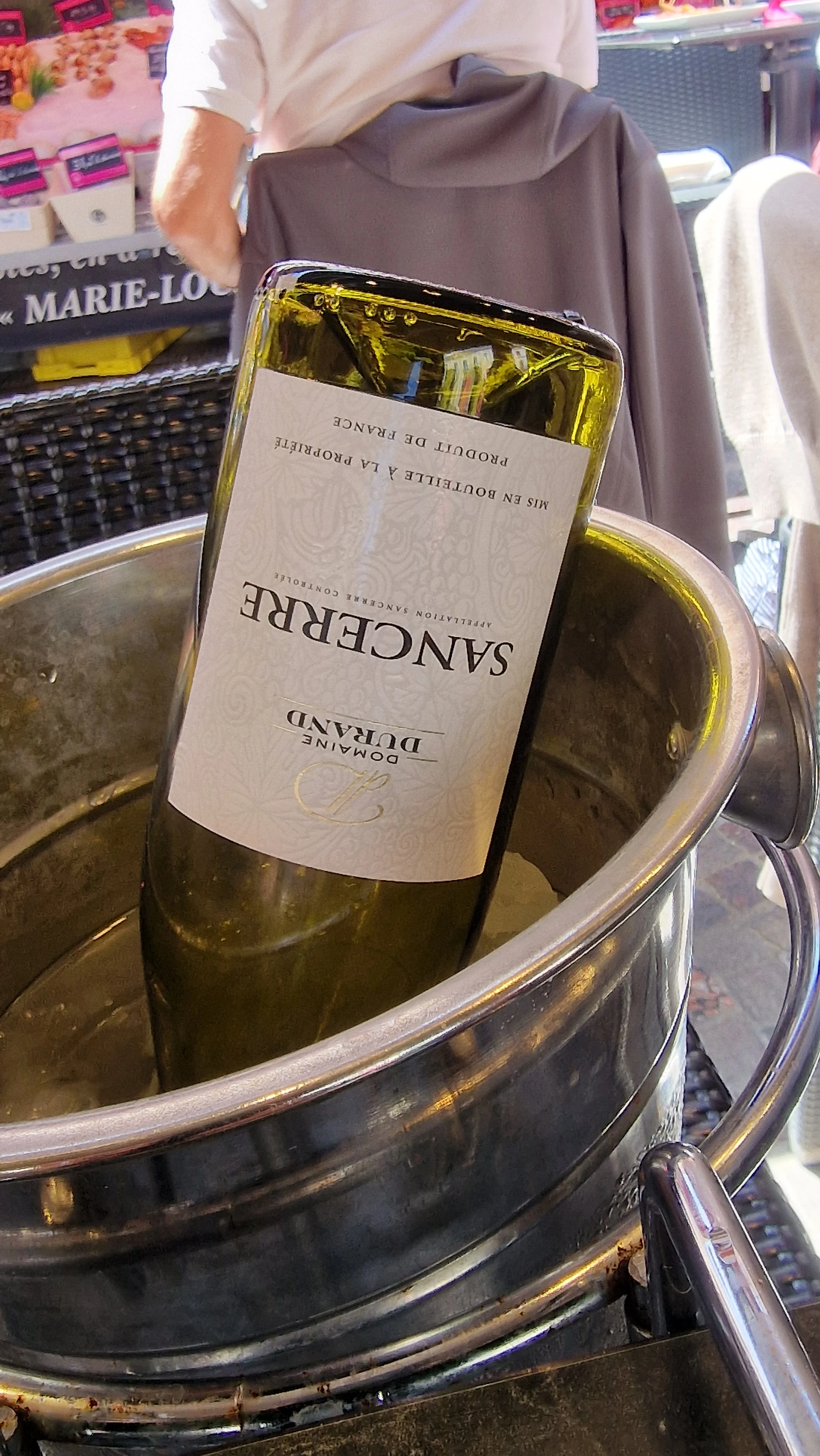
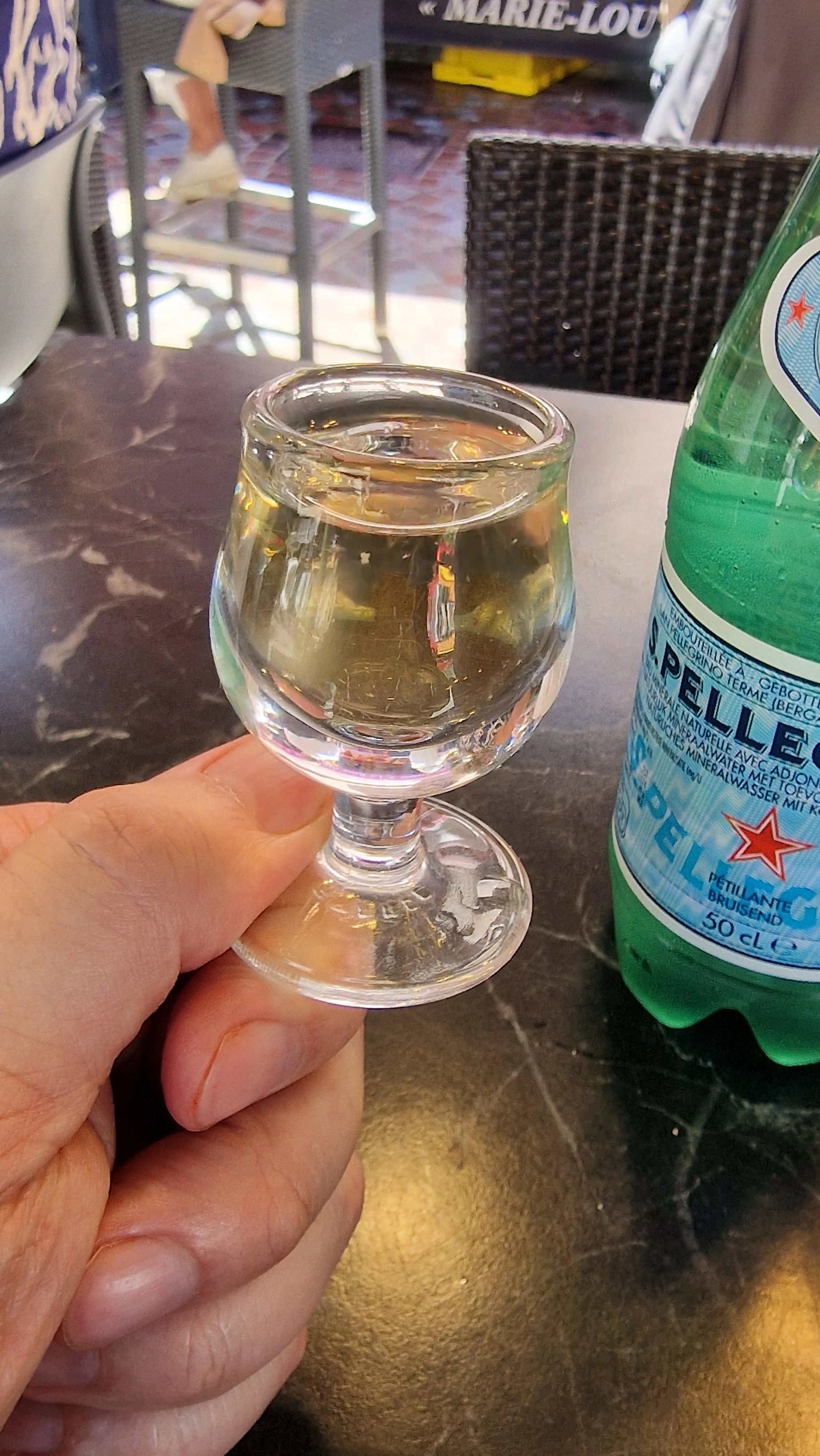
For the wine, I chose a bottle of Domaine Durand Sancerre Blanc 2024. I needed something that could slice through the rich, fatty weight of the aïoli and the dense meat of the lobster, while matching the sharp salinity of the oysters without getting lost. Sancerre, the benchmark Sauvignon Blanc appellation on the eastern edge of the Loire Valley, is built for exactly this task. The Durand family, a four-generation propriétaire-récoltant (grower-producer) estate based in the hamlet of Les Epsailles, works heavily with terres blanches. This specific terroir consists of Kimmeridgian marl — a heavy, water-retaining mix of clay and limestone that is rich in ancient marine fossils and tiny oyster shells. It forces the vine roots deep and gives the resulting wine a taut, bone-dry mineral tension.
The 2024 vintage in the Loire was a notoriously cool and challenging growing season, plagued by difficult weather that threatened dilution across the region. In Sancerre, however, those who managed their vineyard canopies well produced whites with a sharp, bright, and intensely focused profile. The Durand estate practices lutte raisonnée — a pragmatic, sustainable approach to viticulture that limits chemical intervention — allowing the fruit to express the leaner reality of the season. To protect that nervous energy, the élevage — the post-fermentation maturation phase — was conducted entirely in temperature-controlled stainless steel vats. No oak was used, meaning the wine retained its sharp citrus angles, its cutting acidity, and a distinctly chalky, wet-stone minerality.
The pairing did exactly what it was supposed to do. The Sancerre’s aggressive, vivid acidity acted as a blade against the rich, egg-and-oil fat of the aïoli, while its deep, fossil-driven minerality locked perfectly into the iodine profile of the Utah Beach oysters. There was no poetry needed, just the simple, functional mechanics of acid, fat, and salt working together on a crowded dock. Sitting there on a Saturday afternoon, watching the harbor traffic and tearing into a freshly boiled lobster, it was the absolute peak event of the day. It was exactly what you want when you live far from the ocean and finally get a seat at the source.
Pairs well with