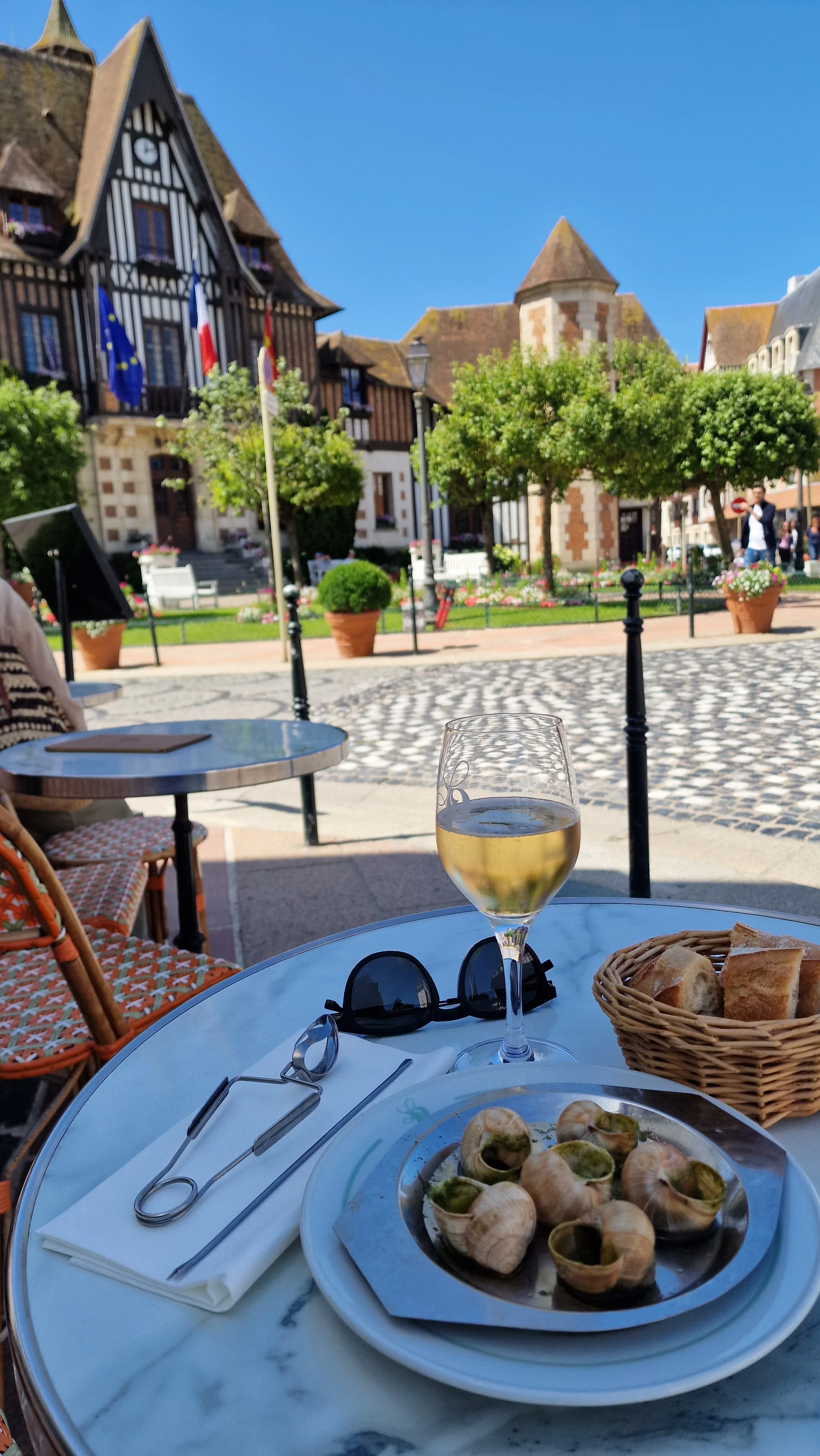
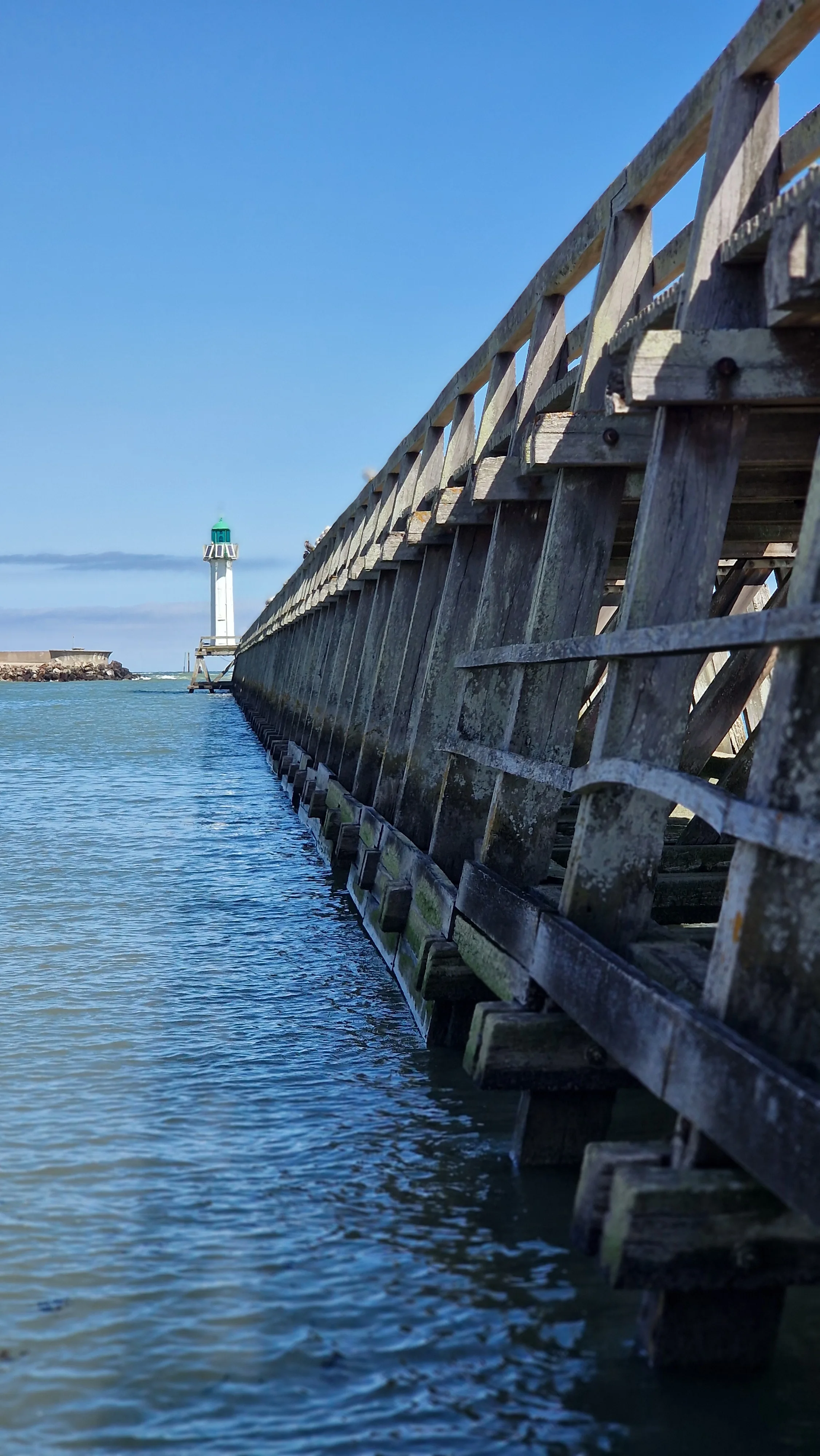
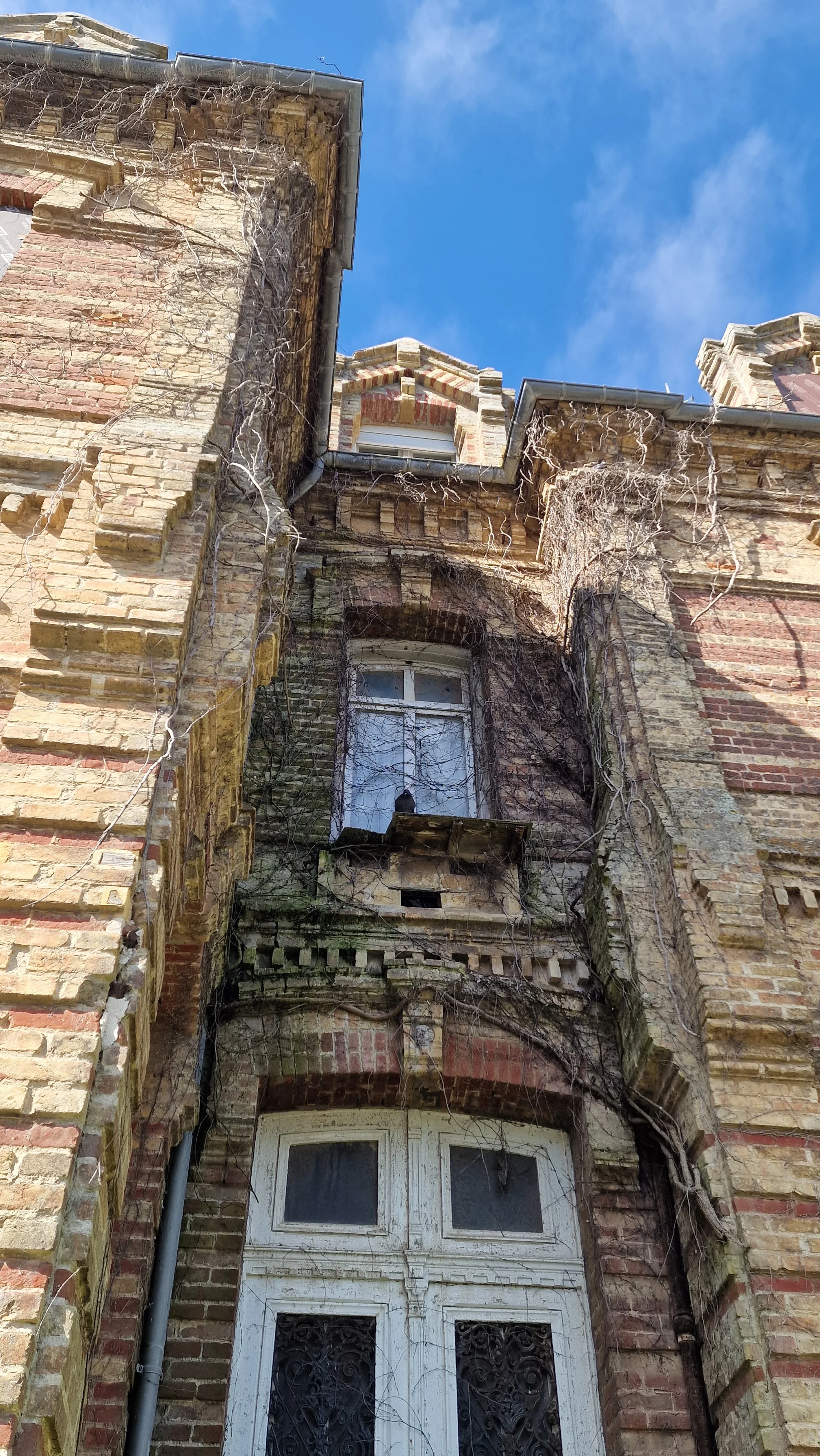
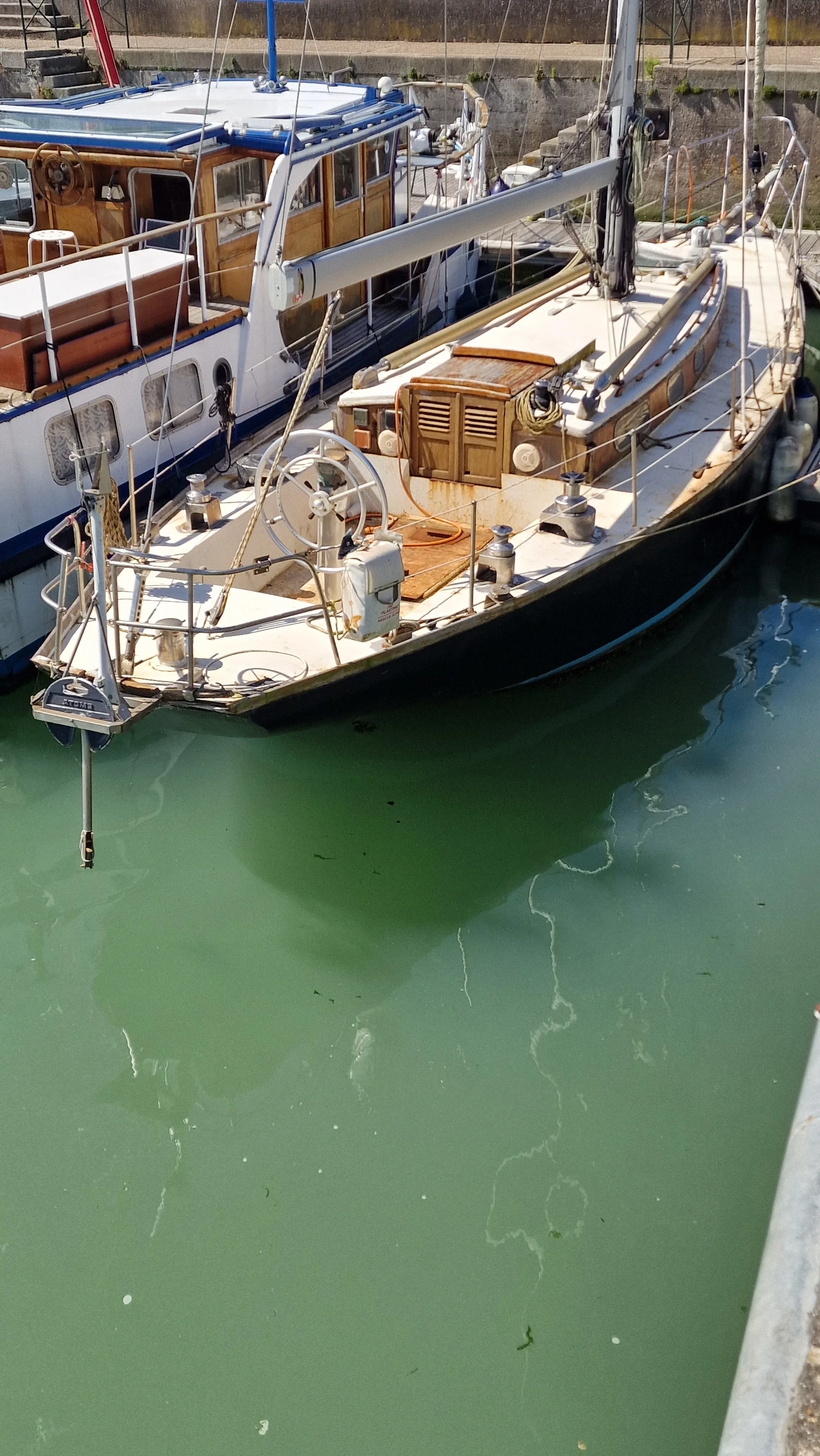
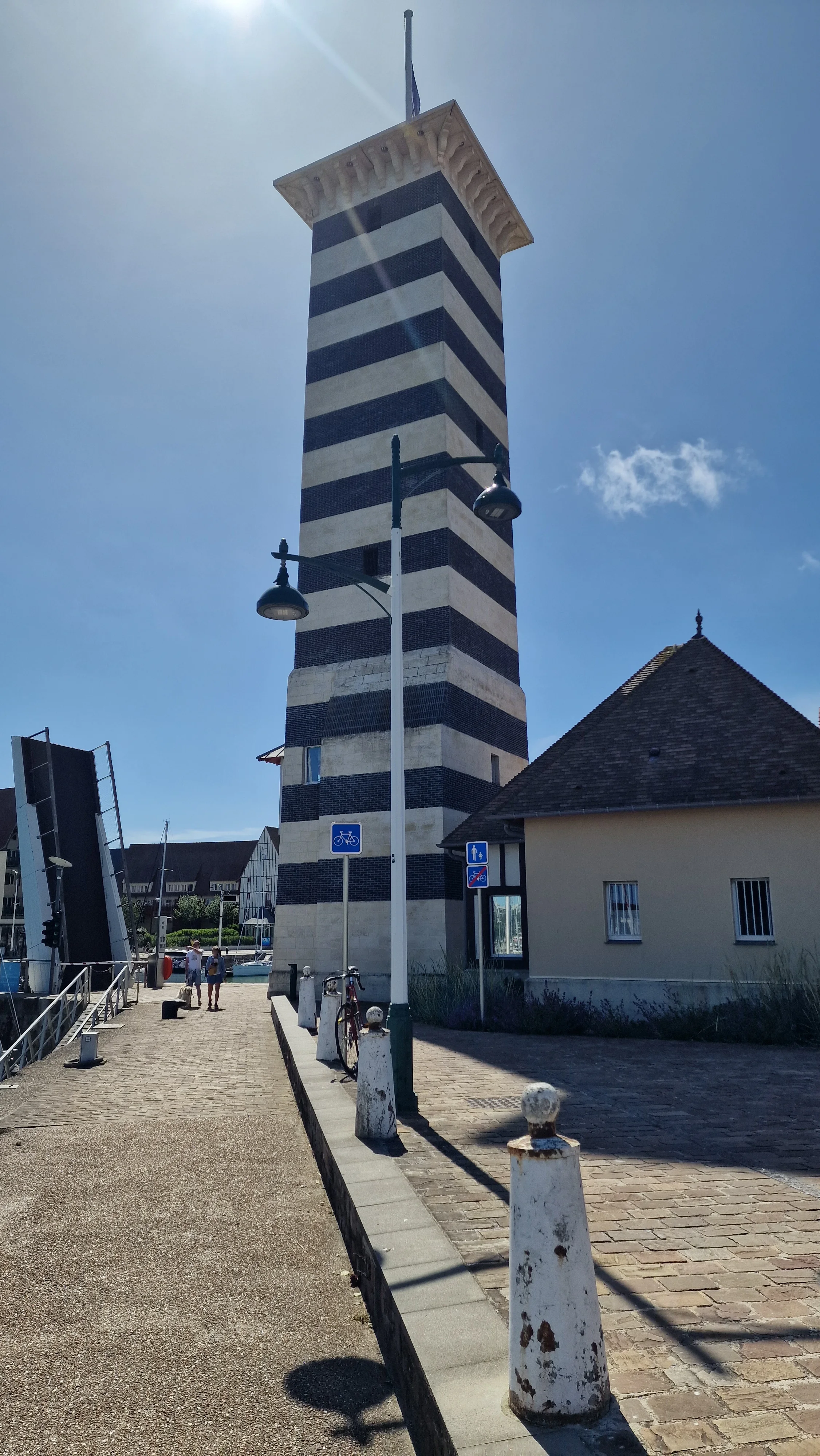
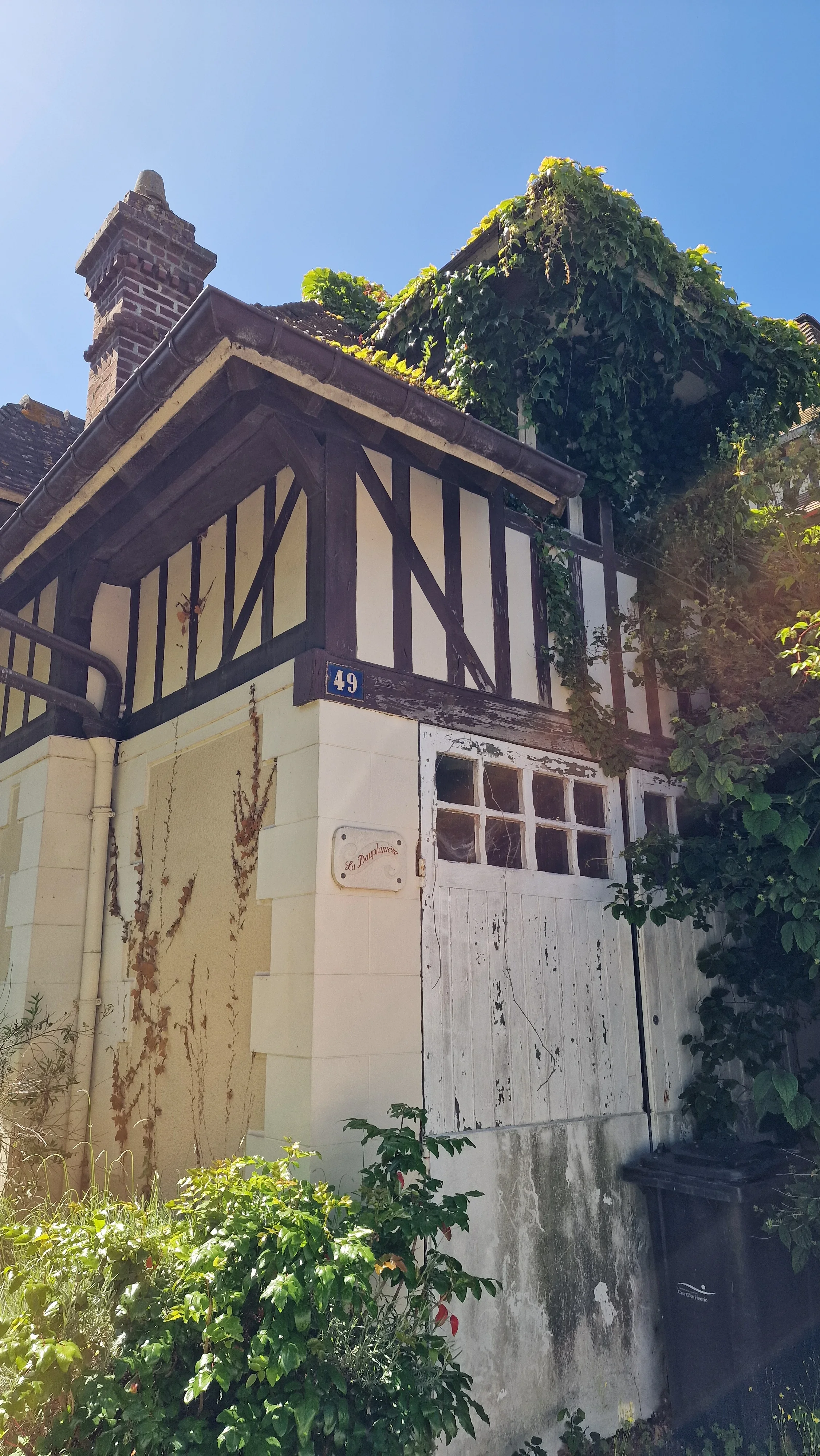
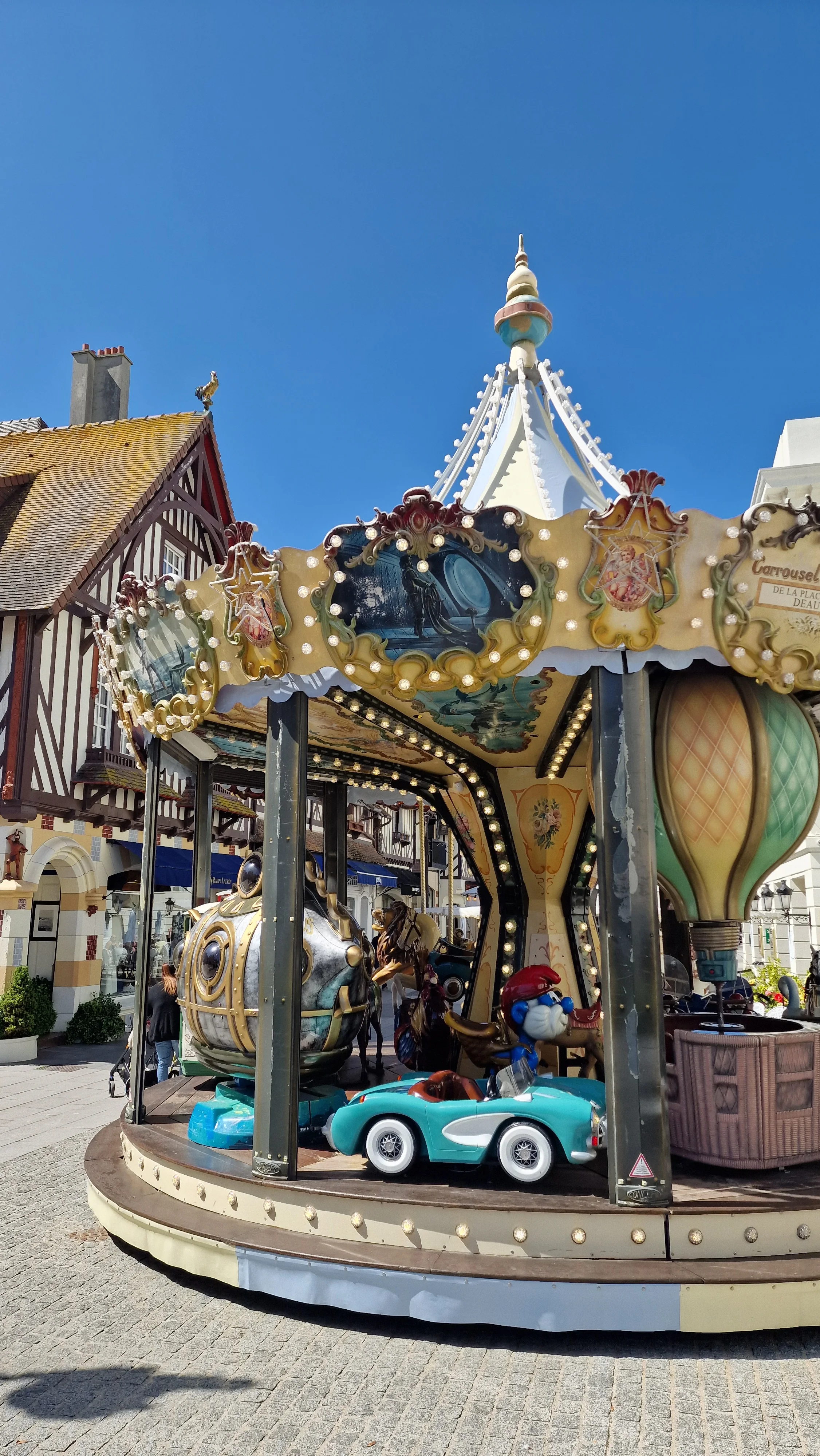
The transition from a three-day conference to the quiet of Deauville is a matter of geography and state of mind. My professional event in Deauville wrapped up on Friday evening, leaving Saturday entirely clear for exploring. June weather in Normandy does something very specific: the sky can be aggressively blue and the sun blinding, but the temperature stalls at a crisp sixteen degrees Celsius. It is the kind of sharp, clean air that makes you want to sit outside.
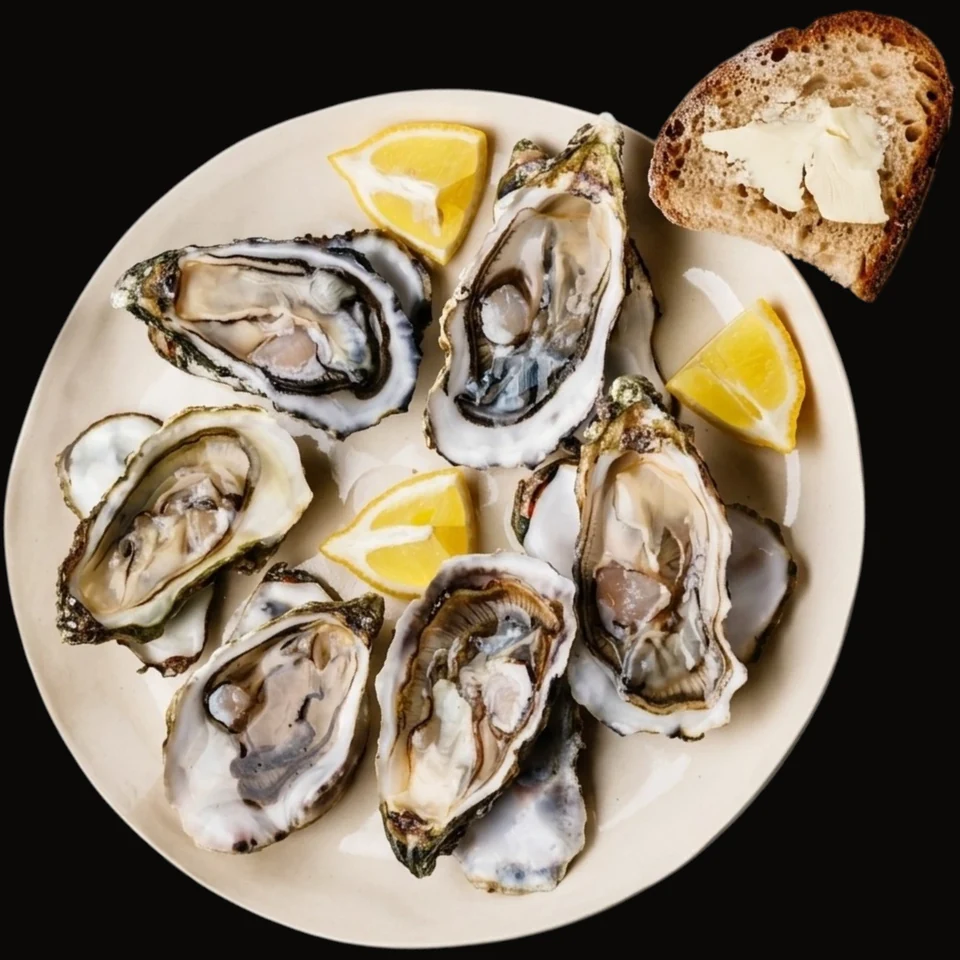
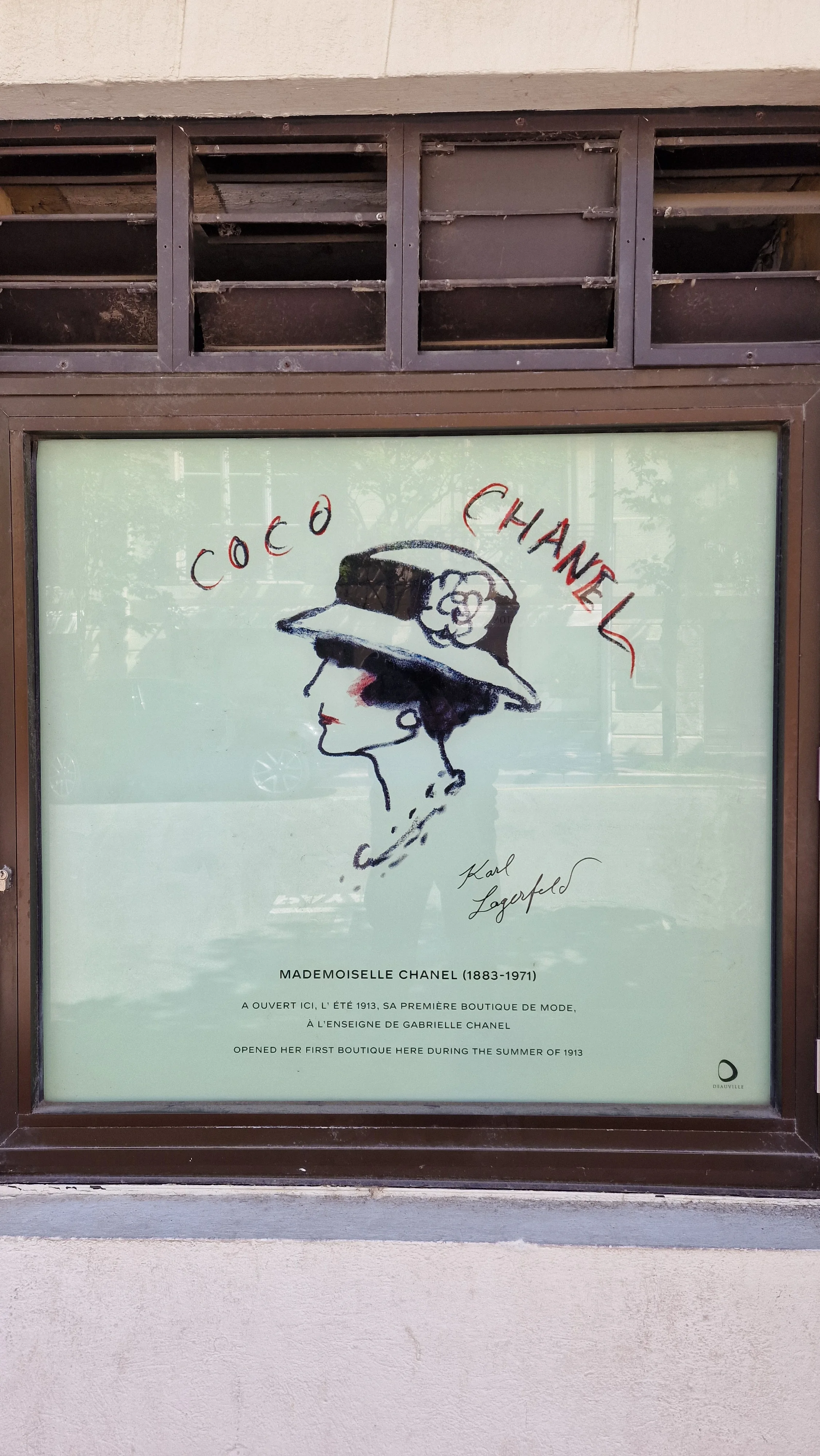
My walk led me to Brasserie Les Petits Princes, a typical local spot sitting directly across from the Mairie — the city hall. The Mairie itself is an architectural oddity, initially constructed in the Beaux-Arts style in 1880, then progressively "Normanised" decades later with faux colombages — or Fachwerk in German, both terms describing the exposed half-timbering characteristic of the region — to fit the town's constructed coastal aesthetic. Even Coco Chanel’s first fashion boutique, opened just around the corner on the Rue Gontaut-Biron in 1913, relied on that same carefully engineered charm. I sat down for a plate of fish crudo and two glasses of Champagne.
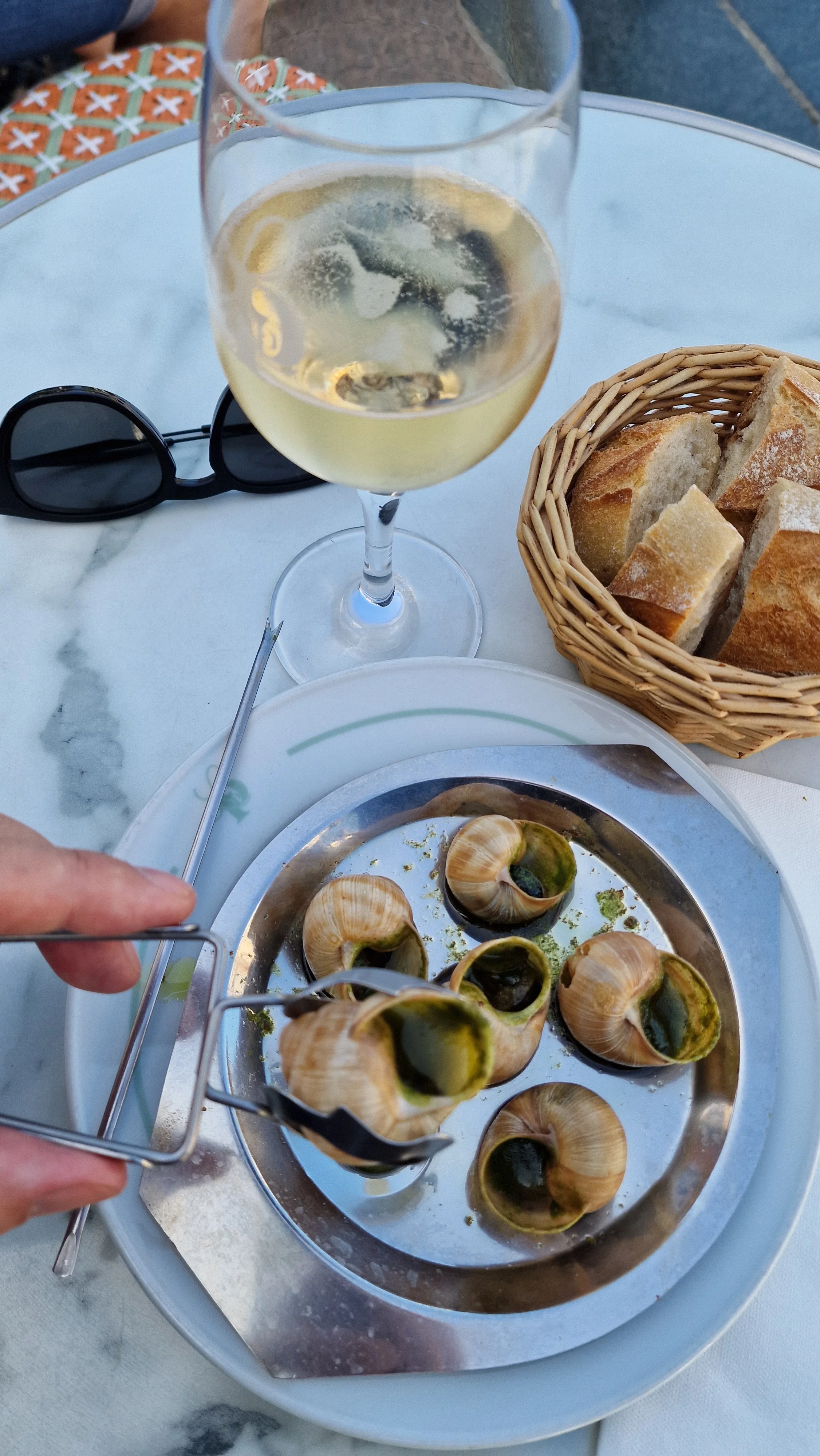
The wine poured was Maison Deutz Brut Classic NV. Deutz was founded in 1838 by William Deutz and Pierre-Hubert Geldermann, two wine merchants from the Rhineland—then under Prussian administration—who were drawn to the region by the commercial success of French sparkling wine. Like many of their contemporaries from across the border, they moved to Champagne to establish professional trade networks, not as part of any military presence. They settled in Aÿ—a village that sits in the heart of the Vallée de la Marne but, due to its prestigious south-facing slopes and powerful Pinot Noir, effectively serves as the viticultural bridge between the Marne and the Montagne de Reims. While the house has been part of the Louis Roederer group since 1993, it has a distinct, heavily guarded identity. Brut Classic is built on a roughly equal-thirds blend of Pinot Noir, Pinot Meunier, and Chardonnay. The fruit is drawn from across the region's defining terroir: deep beds of Belemnite and Micraster chalk. That highly porous subsoil is the structural engine of Champagne, draining freely and reflecting warmth while acting as a moisture and temperature buffer. Combined with the cold continental climate, it forces the vines to struggle just enough, preserving the fierce natural acidity required for traditional-method sparkling wine.
Where Deutz separates itself is in the cellar. The house favors first-press juice only. The élevage — the post-fermentation maturation phase — takes place entirely in temperature-controlled stainless steel cuves rather than oak. The house completely avoids oak, a deliberate choice to block out wood influence and oxygen, preserving absolute precision. To guarantee consistency and build complexity without oak, they rely on a high proportion of reserve wines, commonly between 20 to 40 percent, and sometimes over 50 percent. Brut Classic then spends at least three years resting on its lees — the dead yeast cells — far beyond the legal fifteen-month NV minimum. That extended contact provides the wine's autolytic weight — distinct notes of brioche, pastry cream, and marzipan — which anchors the sharper snap of Granny Smith apple and citrus.
Raw fish is mechanically demanding on a wine. Fish crudo requires something with enough acidity to sharpen the texture without flattening the delicate sweetness of the flesh, and enough mineral precision to handle the saline edge. A high-acid, rigidly unoaked, lees-aged Brut performs the task perfectly. The chalky tension cleans the palate, while the richer, yeast-driven depth bridges the gap to citrus, olive oil, and the quiet marine sweetness of the dish.
Not every memorable wine moment requires a white tablecloth or an evening reservation. Sometimes, the right decision is simply sitting in the cold Norman sun and letting a heavily disciplined Champagne do its job.
Pairs well with