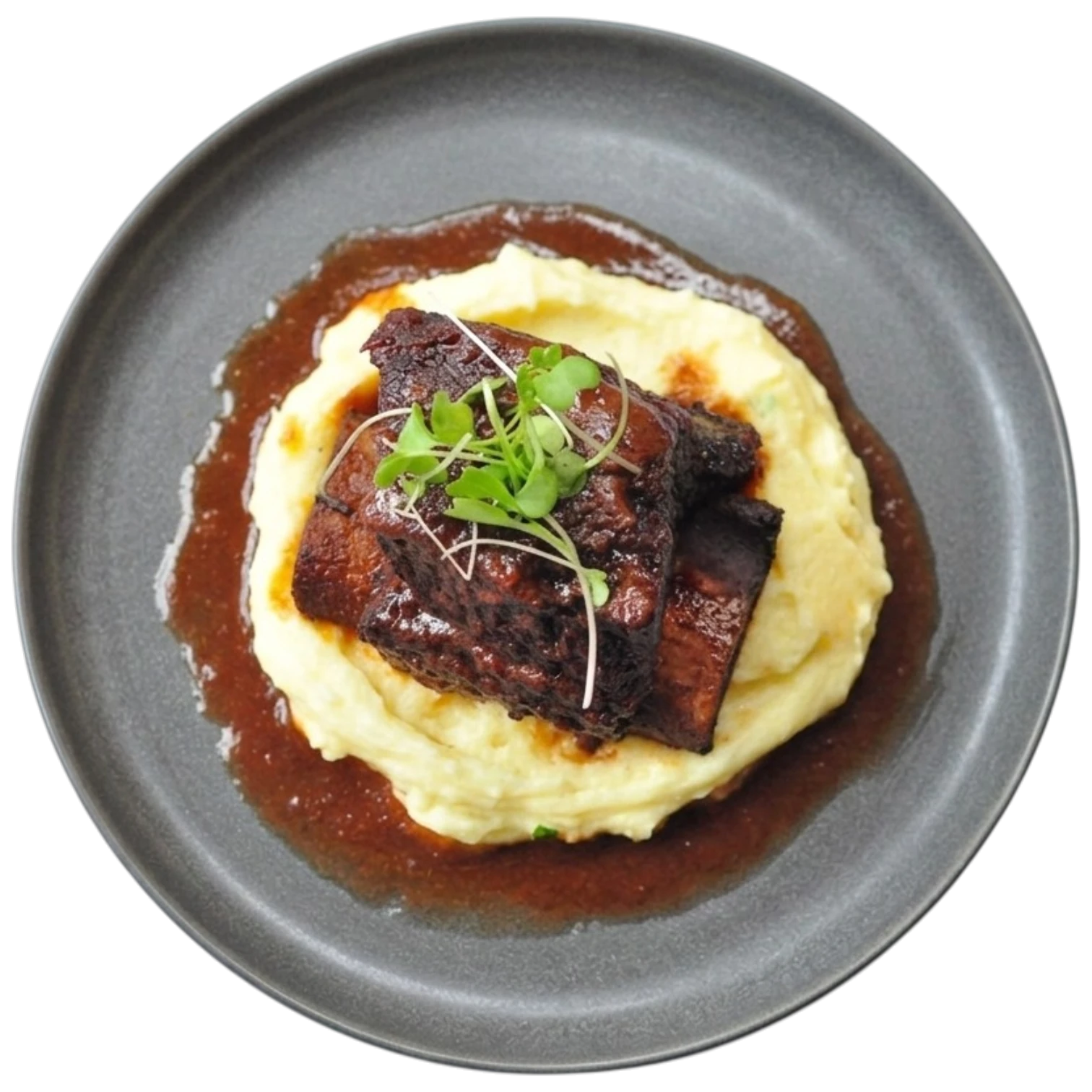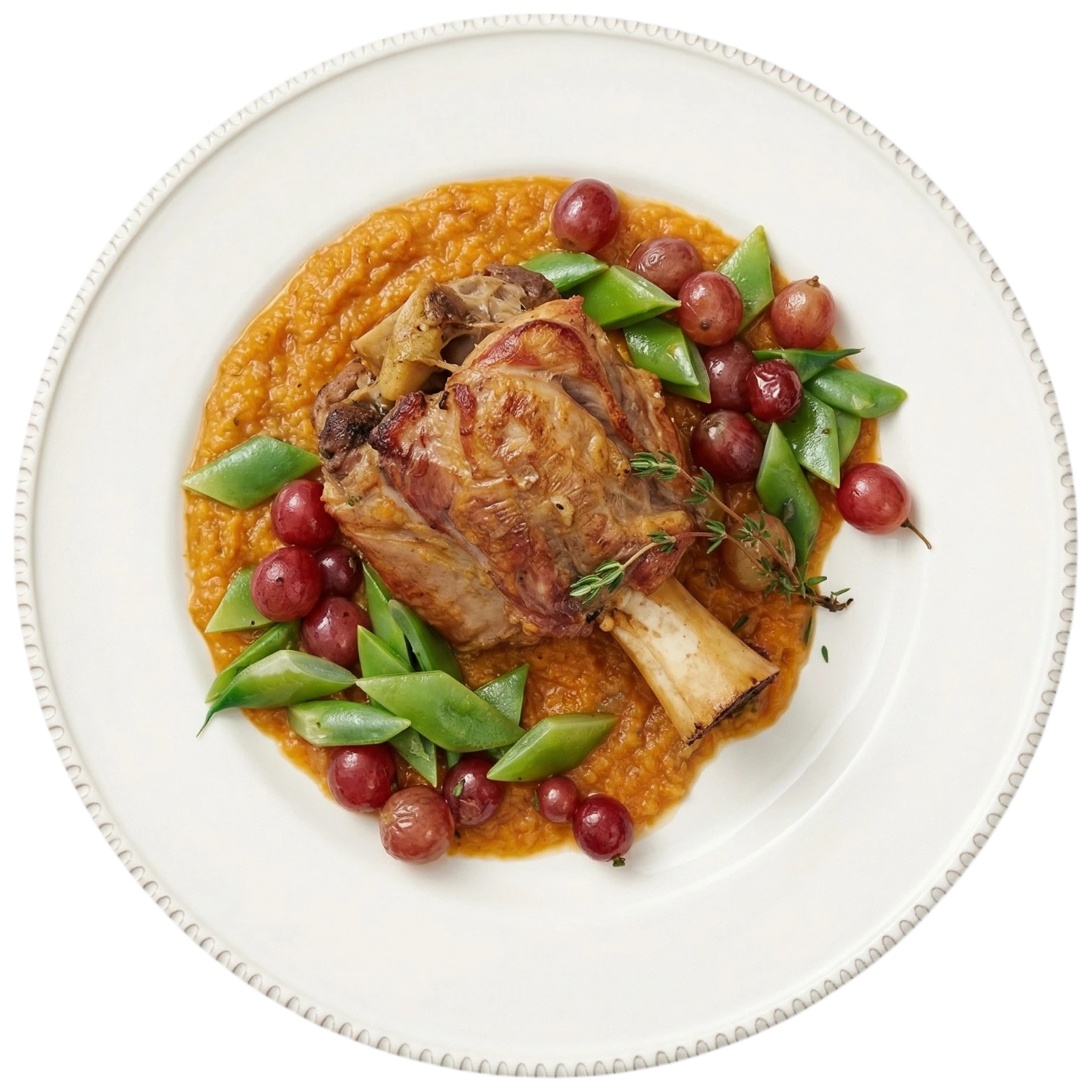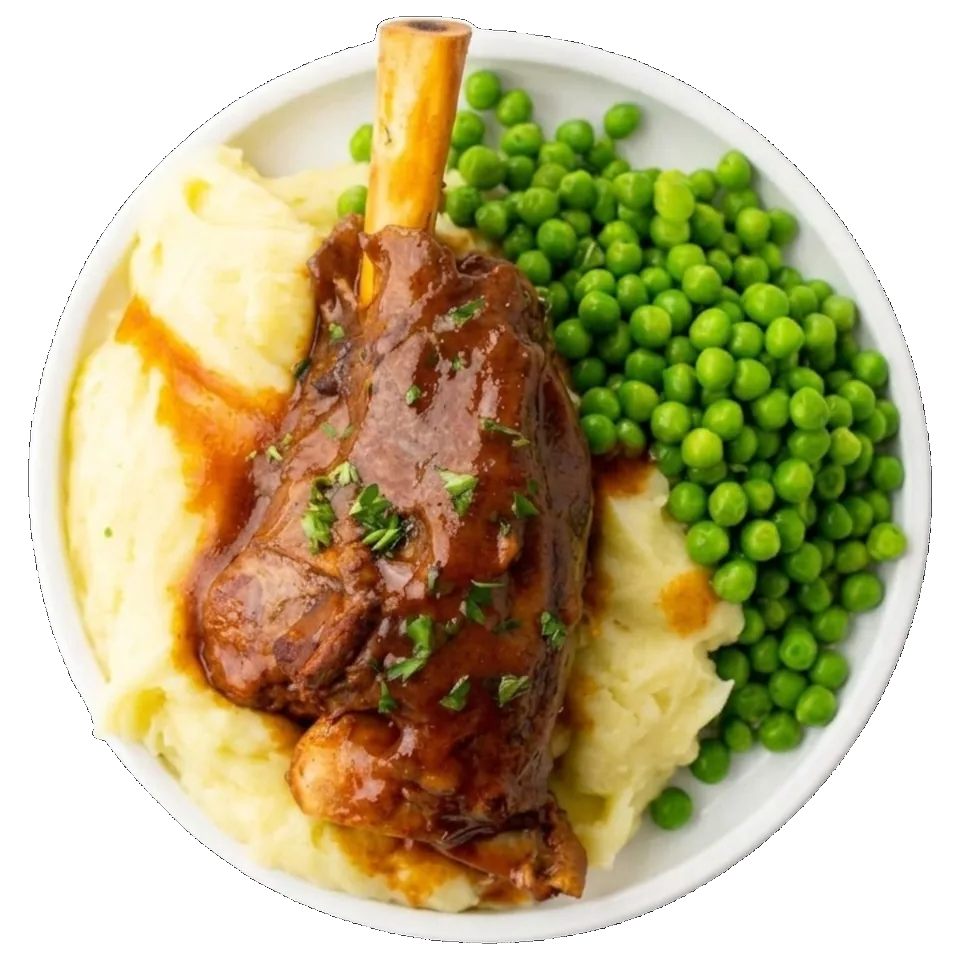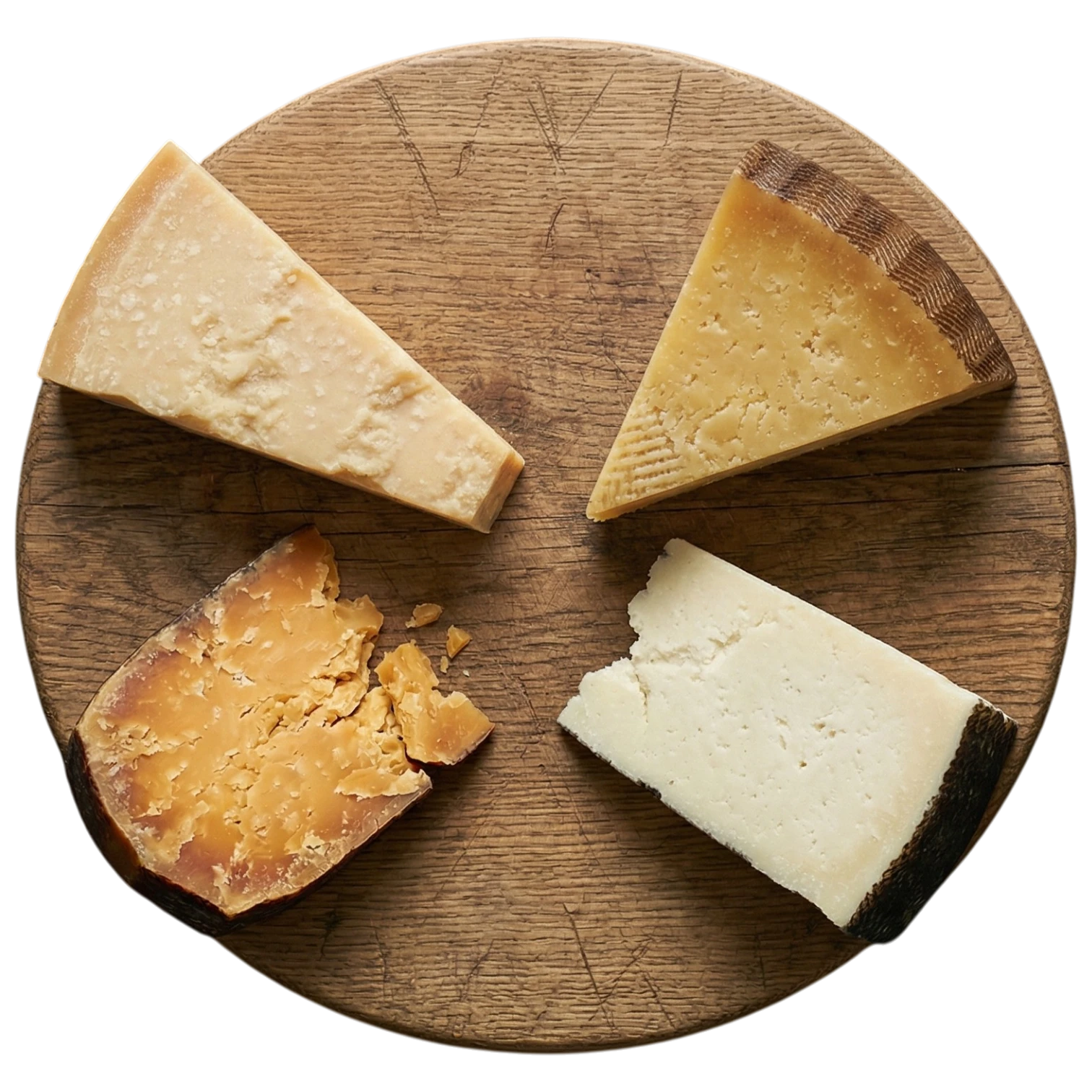
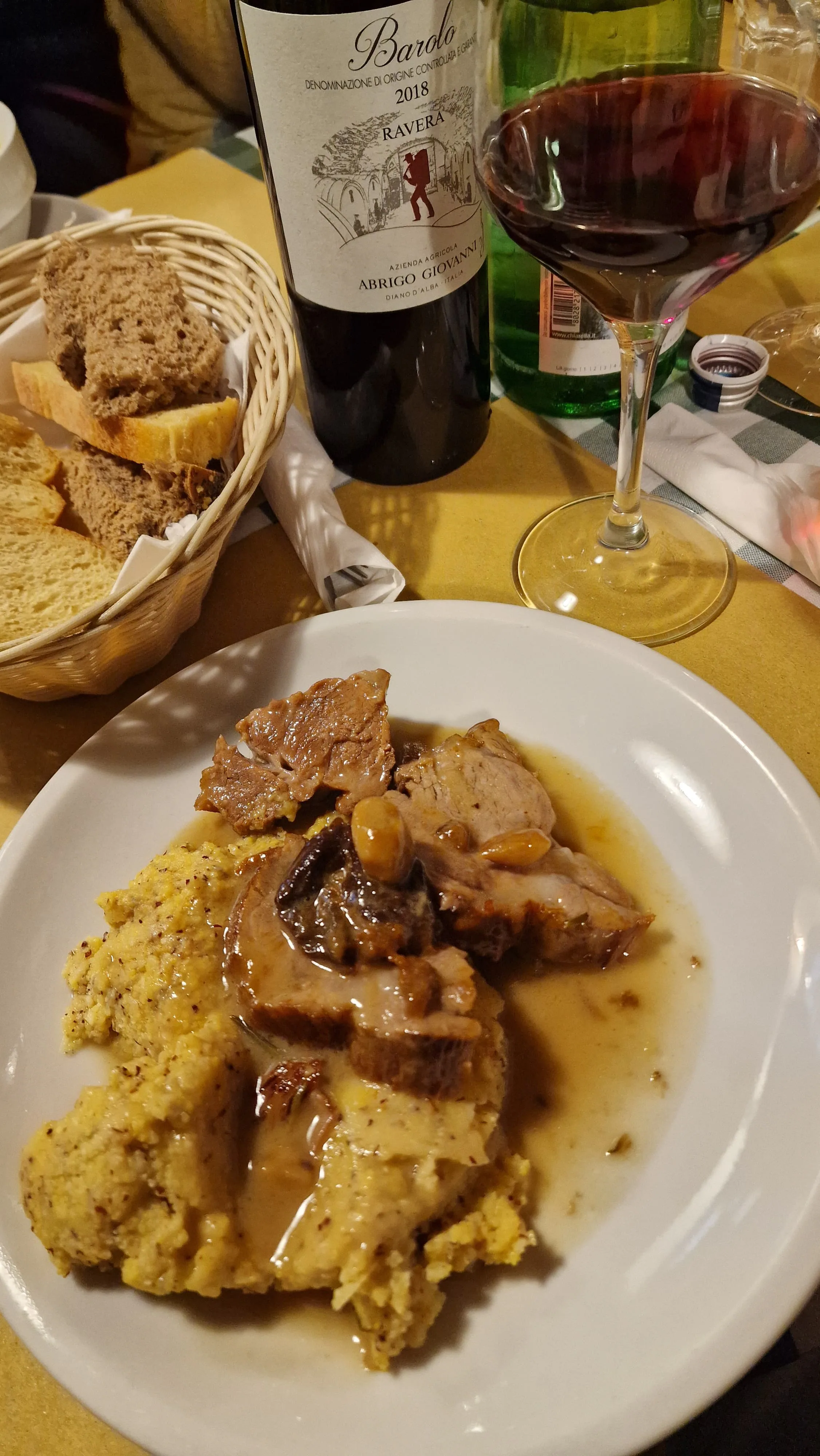
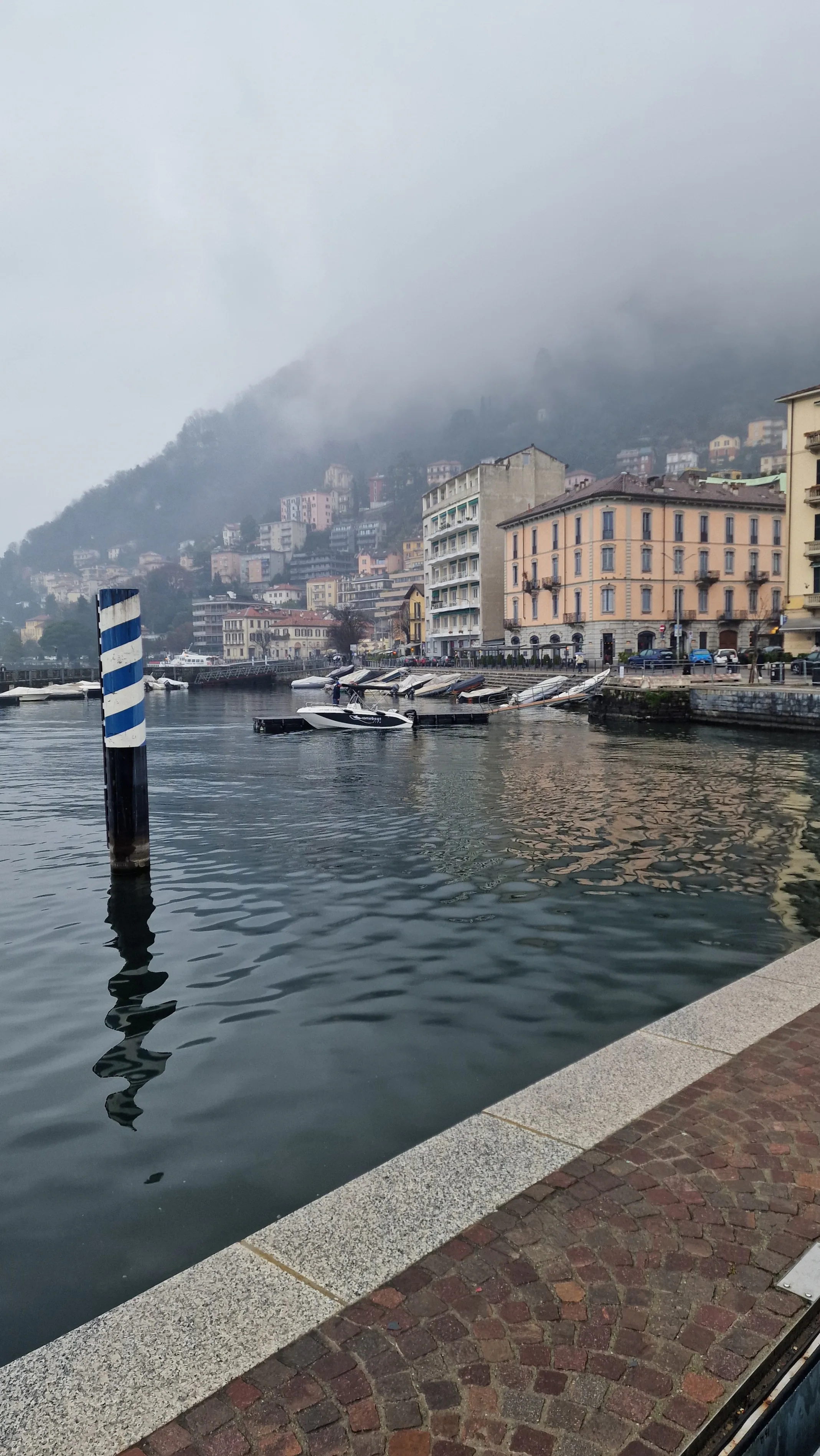
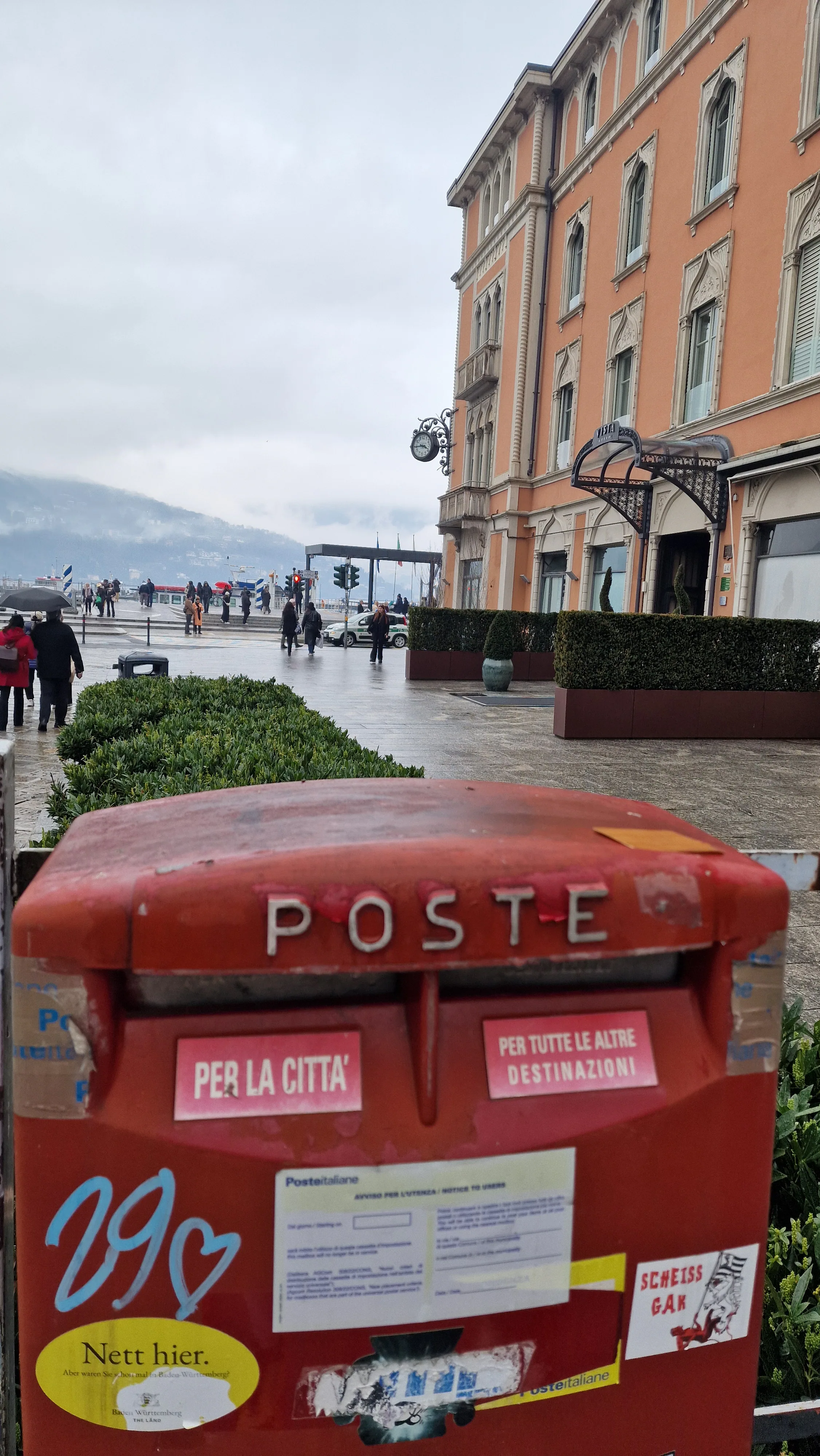
Osteria del Gallo is a tiny establishment in Como, where tables are packed so closely together that you inevitably become a participant in the conversations happening next to you. It was a trip with my fiancée and two of our friends to Lake Como, and the atmosphere was one of absolute Italian domestic comfort — the kind where service is built on genuine hospitality. In places like this, the menu usually leans on straightforward home-style cooking, which requires a wine that will not demand all the attention but can handle the sheer weight of dense local food. The choice was obvious — a solid Italian red — and that evening, a bottle of serious Piedmontese — Barolo — landed on our cramped table.
The Barolo DOCG zone historically relies on a complex expression of terroir, where even neighbouring hills can yield structurally distinct wines from 100% Nebbiolo. The Ravera cru — one of the most respected MGA (Menzioni Geografiche Aggiuntive) sites in the commune of Novello — is known for giving wines vertical structure and lift rather than sheer heavyweight density. This site is defined by deep calcareous-clayey soils — specifically the Sant'Agata Fossili marls of the Tortonian epoch — which provide excellent water retention. The vineyards here sit at an altitude of roughly 400 meters above sea level with a south-easterly exposure, guaranteeing full phenolic ripeness of the vine without sacrificing critically important acidity. This is a geometry that works for longevity.
Azienda Agricola Abrigo Giovanni traces a classic Langhe evolution — beginning in 1968 when Giovanni and Maria Abrigo purchased the Crava farmhouse to run a traditional mixed-crop farm, balancing cattle and local hazelnuts with their Dolcetto vines. The pivot toward a focused, modern wine estate happened in the 1980s under their son Giorgio Abrigo and his wife Paola, who reorganised the vineyard plots and pushed the family's production into the broader export market. Today, the estate is driven by the third generation — their oenologist sons Giulio and Sergio, who expanded the winery's footprint in 2013 by acquiring the very land in the Ravera MGA that produced this Barolo. Despite this growth, they do not chase radical modern experiments, preferring instead to translate the language of the land into the glass through techniques calibrated over decades.
The 2018 vintage in Barolo was a polarising one — defined by an exhaustingly wet spring followed by a hot, dry summer and a September that notably lacked the dramatic day-to-night temperature shifts Nebbiolo usually relies on to build massive structure. Broadly considered a "Burgundian" year for the region due to the resulting more approachable profile, it was a vintage that heavily rewarded specific terroir profiles. Ravera was perfectly positioned to excel: its deep calcareous-clay marls acted as a sponge for the spring rains, preventing hydric stress during the summer heat, while the 400-meter altitude preserved the grapes' tension and acidity despite the warmer nights. To capture this inherent elegance, the family vinified the crop with temperature control in stainless steel and extended skin contact — including traditional submerged-cap work for part of the lot — followed by spontaneous malolactic fermentation. Before release, the wine underwent a 38-month élevage. No rush, just methodical work with the raw material.
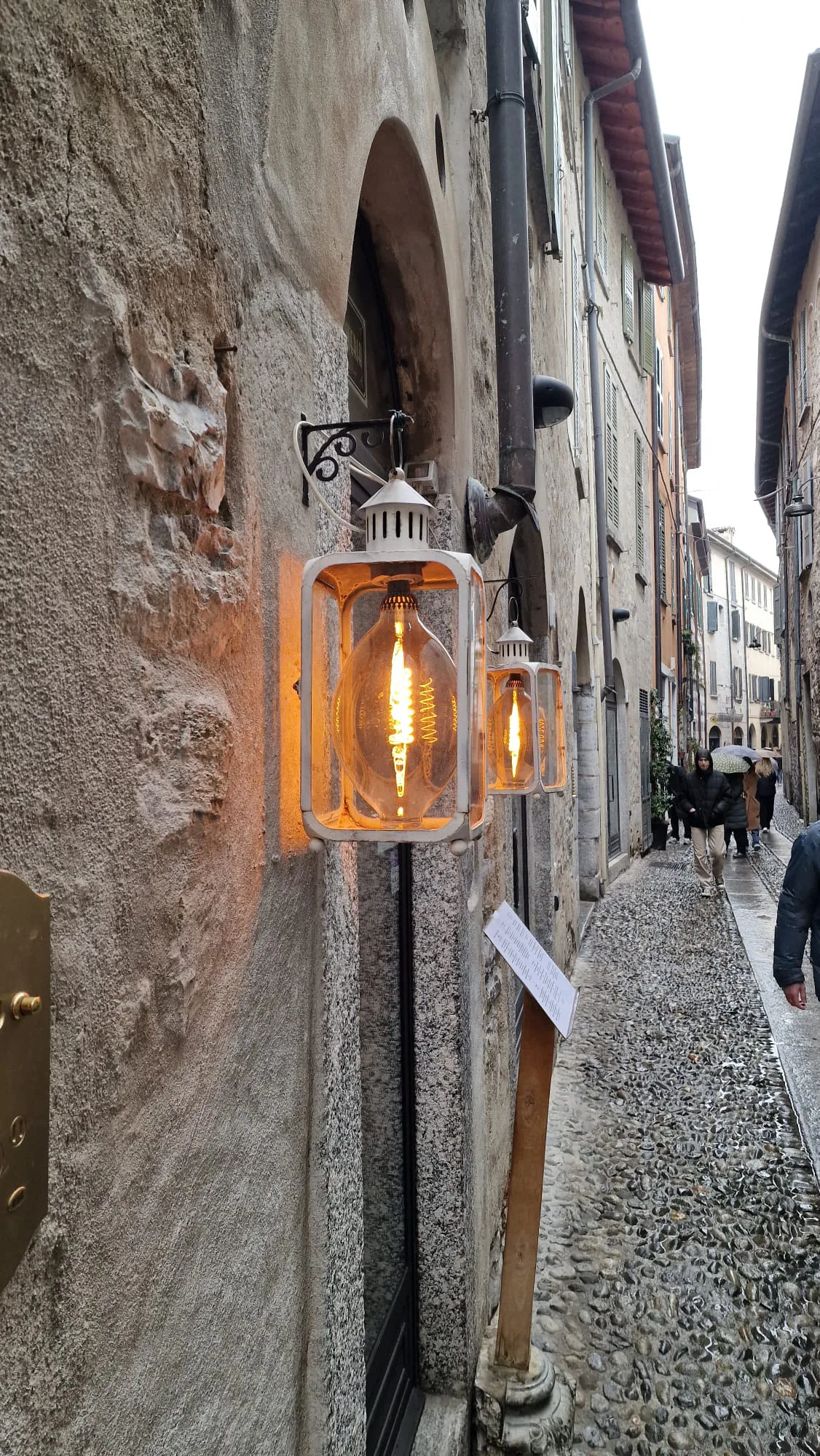
Everything at Osteria del Gallo was amazing — the food, the wine, the service, the atmosphere. Afterwards, we stepped out and wandered the rainy cobbled streets of Como's historic centre.
Pairs well with